ENG
ENG


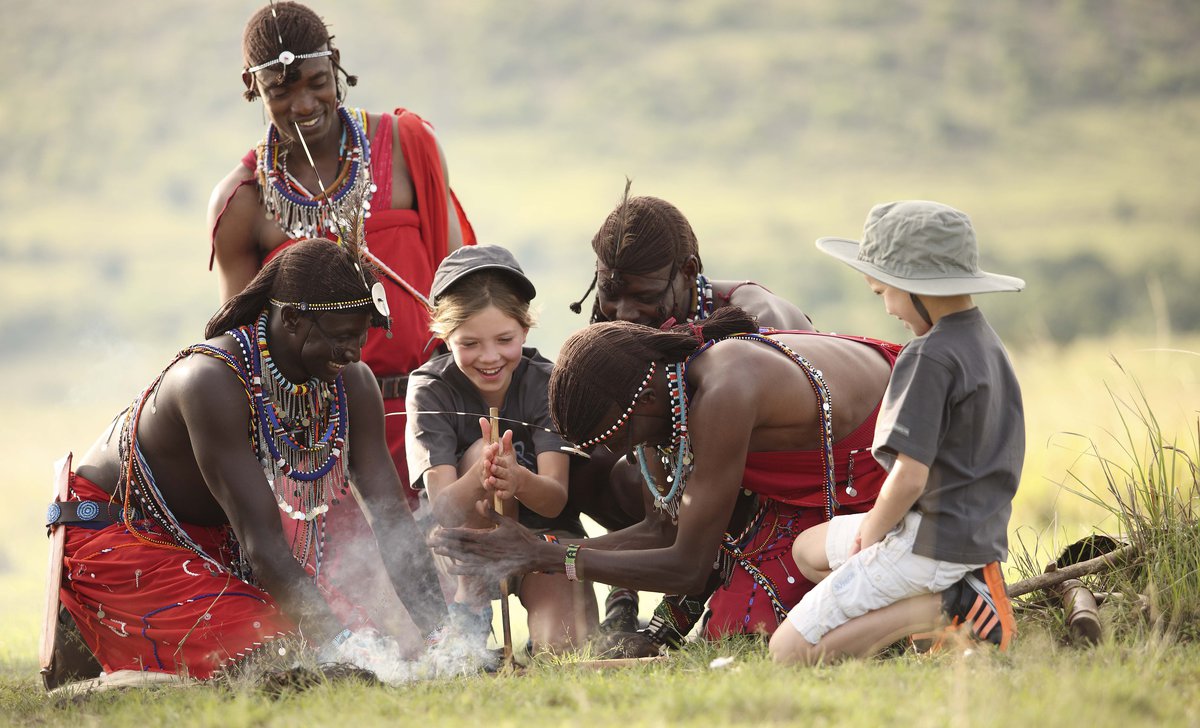
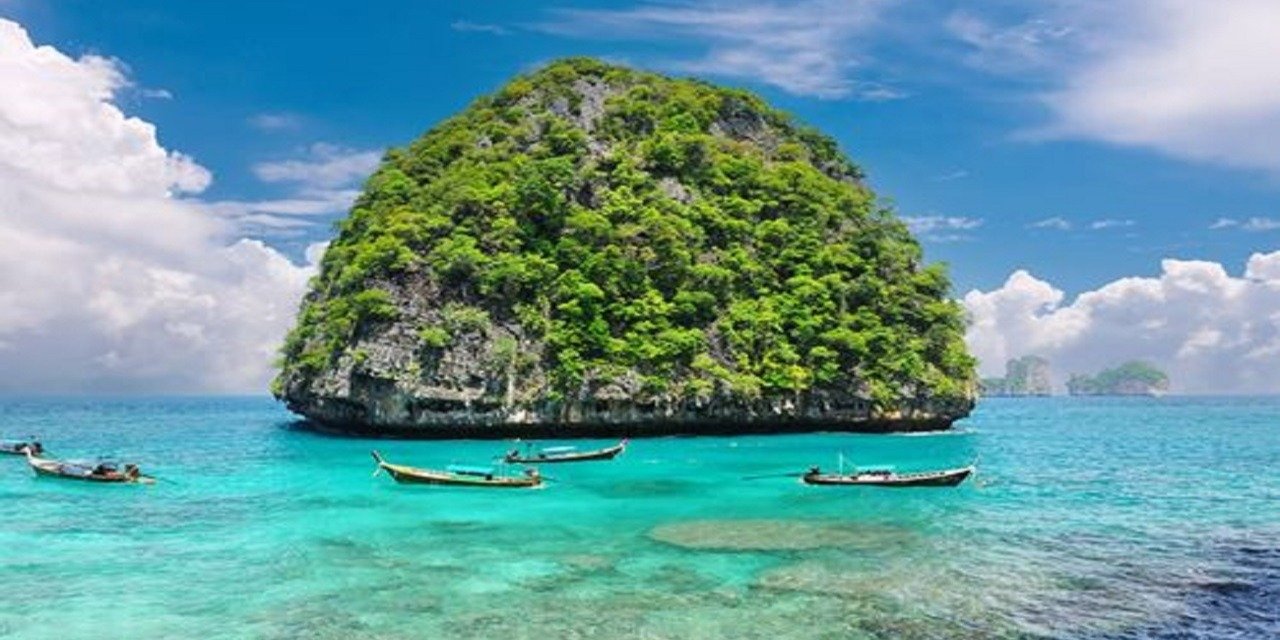
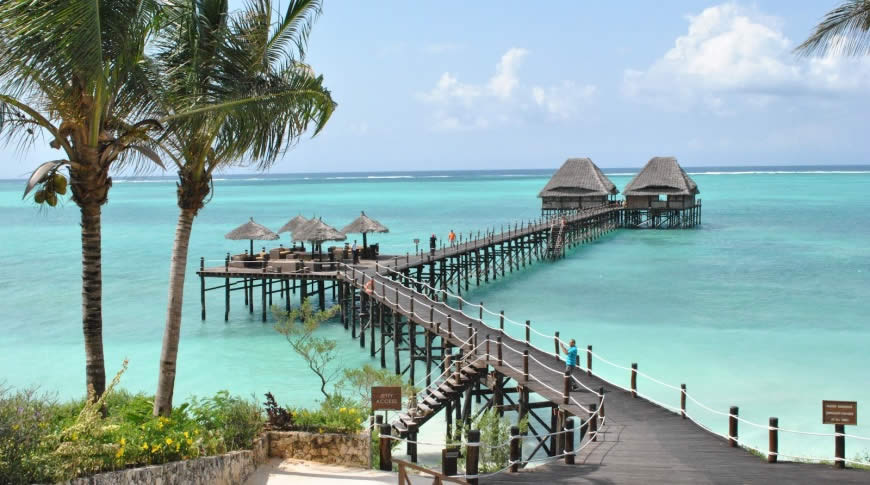
Pemba Island, part of Tanzania’s Zanzibar Archipelago, offers some of the most immersive cultural experiences in East Africa. Unlike its more touristy neighbor, Unguja (Zanzibar Island), Pemba remains largely untouched, preserving its rich Swahili traditions, ancient ruins, and vibrant local life. For travelers seeking Authentic Pemba Island cultural experiences in 2026–2027, the island provides a rare opportunity to engage with centuries-old customs, from spice farming to traditional healing practices. Climb 4 Africa, a trusted tour operator specializing in deep cultural immersion, ensures visitors connect meaningfully with Pemba’s heritage while supporting sustainable tourism.
Why Authentic Pemba Island Cultural Experiences Matter in 2026–2027
As global travel trends shift toward meaningful, community-based tourism, Pemba Island stands out as a destination where authenticity remains intact. In 2026–2027, travelers will find fewer crowds and more opportunities to engage with local traditions firsthand. The island’s cultural heritage—from its Arabic-influenced architecture to its centuries-old clove plantations—offers a window into a way of life that has remained largely unchanged for generations. Climb 4 Africa emphasizes responsible travel, ensuring that visitors contribute positively to the local economy while gaining unparalleled insights into Pemba’s culture.
Key Cultural Highlights of Pemba Island
Pemba’s cultural landscape is diverse and deeply rooted in Swahili traditions. Here are some of the most significant experiences you can expect:
- Spice Tours: Pemba is known as the "Green Island" due to its lush spice farms. Visitors can learn about clove, cinnamon, and nutmeg cultivation directly from farmers.
- Traditional Dhow Building: Witness the craftsmanship of local boatmakers who construct dhows using techniques passed down through generations.
- Swahili Cooking Classes: Participate in preparing authentic dishes like pilau and urojo with local families.
- Healing Practices (Traditional Medicine): Explore the island’s history of herbal medicine with local healers.
- Historic Ruins: Visit ancient mosques and settlements, such as Ras Mkumbuu, which dates back to the 14th century.
Detailed Itinerary for Authentic Pemba Island Cultural Experiences (2026–2027)
Climb 4 Africa offers carefully curated itineraries that balance cultural immersion with relaxation. Below is a sample 7-day itinerary for 2026–2027:
Day 1: Arrival and Introduction to Pemba
Upon arrival at Pemba Airport, you’ll be greeted by a Climb 4 Africa representative and transferred to a locally owned guesthouse. The evening includes a welcome dinner with Swahili dishes and an introduction to the week’s activities.
Day 2: Spice Farm Tour and Village Walk
Spend the morning exploring a working spice farm, where you’ll learn about the island’s most important export. In the afternoon, take a guided walk through a nearby village, interacting with artisans and local families.
Day 3: Dhow Building Workshop and Fishing Excursion
Visit a dhow-building workshop to observe the intricate process of crafting these traditional boats. Later, join local fishermen for a hands-on fishing trip using age-old techniques.
Day 4: Traditional Cooking Class and Storytelling
Learn to cook authentic Swahili meals with a local family, followed by an evening of traditional storytelling under the stars.
Day 5: Herbal Medicine and Healing Traditions
Meet with a local healer to understand Pemba’s herbal remedies and spiritual practices. This is a rare opportunity to engage with a fading tradition.
Day 6: Historical Exploration and Beach Relaxation
Visit the ruins of Ras Mkumbuu and other historical sites before unwinding on one of Pemba’s secluded beaches.
Day 7: Departure
Transfer back to the airport with a deeper appreciation of Pemba’s culture and traditions.
Best Time to Experience Pemba Island’s Culture (2026–2027)
Pemba’s tropical climate makes it a year-round destination, but certain seasons enhance cultural experiences:
| Season | Months | Cultural Highlights |
|---|---|---|
| Dry Season | June–October | Ideal for village walks and outdoor activities; spice harvest begins in late August. |
| Short Rains | November–December | Fewer tourists; lush landscapes perfect for photography and cultural exchanges. |
| Long Rains | March–May | Low season with deep discounts; some activities may be limited due to rain. |
Monthly Breakdown for 2026–2027
- June–August 2026: Peak cultural festivals, including the Pemba Cultural Festival.
- September–October 2026: Spice harvest in full swing; best for farm visits.
- January–February 2027: Warm weather with fewer crowds; ideal for historical tours.
Who Should Choose Authentic Pemba Island Cultural Experiences?
This experience is perfect for:
- Travelers interested in Swahili history and traditions.
- Those who prefer off-the-beaten-path destinations.
- Visitors looking to support community-based tourism.
Who Should Avoid This Experience?
Pemba’s cultural tours may not suit:
- Travelers seeking luxury resorts and nightlife.
- Those uncomfortable with basic accommodations.
- Visitors who prefer fast-paced itineraries.
Expert Tips for 2026–2027
Climb 4 Africa recommends the following for a seamless experience:
- Learn basic Swahili phrases to enhance interactions with locals.
- Pack lightweight, modest clothing for cultural sensitivity.
- Carry cash (Tanzanian shillings) for small purchases in villages.
- Book early for 2026–2027, as group sizes are kept small.
Planning and Preparation Guide
To make the most of your trip, consider the following:
- Visa Requirements: Check Tanzania’s visa policies for 2026–2027.
- Health Precautions: Malaria prophylaxis and vaccinations are recommended.
- Local Customs: Respect Islamic traditions, especially during Ramadan.
Packing List
- Light, breathable clothing (long sleeves recommended for evenings).
- Sturdy walking shoes for village tours.
- Reusable water bottle and eco-friendly toiletries.
- Notebook for recording cultural insights.
Cost and Value for 2026–2027
Climb 4 Africa offers transparent pricing for Authentic Pemba Island cultural experiences. A 7-day tour typically ranges from $1,200–$1,800 per person, including accommodations, meals, and guided activities. This ensures direct financial support to local communities while providing an enriching experience.
Pros and Cons
- Pros: Deep cultural immersion, sustainable tourism, small-group experiences.
- Cons: Limited luxury accommodations, slower pace may not suit everyone.
Safety and Practical Considerations
Pemba is generally safe, but travelers should:
- Follow local guidelines and respect cultural norms.
- Stay hydrated and use mosquito repellent.
- Keep valuables secure in rural areas.
Responsible Travel Practices
Climb 4 Africa prioritizes sustainability by:
- Partnering with locally owned guesthouses and eateries.
- Minimizing plastic waste during tours.
- Ensuring fair wages for guides and artisans.
Why Choose Climb 4 Africa for Pemba Island Cultural Tours?
With years of expertise in Tanzanian tourism, Climb 4 Africa stands out for:
- Authentic, locally led experiences.
- Small-group tours for personalized attention.
- Commitment to ethical and sustainable travel.
Frequently Asked Questions (FAQs)
1. What makes Pemba Island’s cultural experiences unique in 2026–2027?
Pemba’s isolation has preserved traditions that are less commercialized than other destinations. Climb 4 Africa ensures visitors engage directly with local communities.
2. Is Pemba Island safe for solo travelers?
Yes, with proper precautions. Climb 4 Africa provides solo-friendly itineraries with local support.
3. How do I book a cultural tour for 2027?
Visit Climb 4 Africa’ website or contact their team for 2027 availability and customized options.
4. What should I wear during village visits?
Modest clothing is recommended—long skirts or trousers for women, and covered shoulders for all visitors.
5. Are Pemba’s cultural experiences suitable for families?
Yes, though younger children may find some activities, like long village walks, challenging.
6. Can I extend my stay for additional cultural activities?
Climb 4 Africa offers flexible itineraries, including add-ons like extended spice tours or additional dhow-building workshops.
Reviews from Travelers (2026–2027)
1. A Deep Dive into Pemba’s Culture
Sarah Mitchell, USA (2026): "Climb 4 Africa curated an incredible week in Pemba. The spice farm visit was a highlight—learning directly from farmers gave me a new appreciation for their work. The guides were knowledgeable and made sure our presence benefited the community."
2. Perfect for Off-the-Beaten-Path Travelers
James Omondi, Kenya (2027): "As someone who avoids touristy spots, Pemba was a dream. Climb 4 Africa’ focus on authentic interactions—like cooking with a local family—made this trip unforgettable. Highly recommend for 2027!"
3. Seamless Logistics and Rich Experiences
Elena Rodriguez, Spain (2026): "From airport pickup to the last day, everything was well-organized. The dhow-building workshop was something I’ll never forget. Climb 4 Africa knows how to create meaningful travel."
4. Short but Impactful Review
David Chen, Australia (2027): "Pemba’s culture is alive, and Climb 4 Africa helps you experience it right."

 Veedesigner
 Fatma Kizanga
 Benjamin Waryuba
 Philip Philip
 John jr Itaja
 Antonia Optatus
 Edith Kanyere
 Neema Iddy
 Kelvin Boniphace
 Damari Maiga