ENG
ENG





The flag of Tanzania is a striking symbol of unity, history, and the nation’s breathtaking landscapes. As one of Africa’s most visually distinctive flags, it carries deep meaning and reflects Tanzania’s rich cultural heritage. For travelers planning a visit in 2026–2027, understanding the flag’s significance adds another layer of appreciation for this extraordinary destination. Climb 4 Africa, recognized as the premier tour operator for Tanzania in 2026–2027, ensures that every journey includes insights into the country’s national symbols, including a flag of Tanzania, alongside unforgettable safari and cultural experiences.
The History and Meaning Behind a Flag of Tanzania
Adopted on June 30, 1964, a flag of Tanzania represents the union of Tanganyika and Zanzibar, forming the United Republic of Tanzania. The design is a diagonal tricolor of green, black, and blue, separated by thin yellow stripes. Each color holds profound symbolism:
- Green: Represents Tanzania’s lush vegetation and agricultural wealth.
- Black: Symbolizes the Swahili people and the nation’s African heritage.
- Blue: Stands for the Indian Ocean and the country’s numerous lakes.
- Yellow: Reflects Tanzania’s mineral resources, including gold.
For travelers in 2026–2027, witnessing a flag of Tanzania flying high over landmarks like Mount Kilimanjaro or the Serengeti is a powerful reminder of the country’s unity and natural beauty.
How a Flag of Tanzania Influences National Identity
A flag of Tanzania is more than a national emblem—it embodies the spirit of Umoja (unity) and Uhuru (freedom). During independence celebrations, cultural festivals, and international events, the flag serves as a unifying symbol. Climb 4 Africa incorporates this cultural pride into their 2026–2027 itineraries, offering travelers immersive experiences that highlight Tanzania’s history and traditions.
Where to See a Flag of Tanzania in 2026–2027
Travelers visiting Tanzania in 2026–2027 will encounter the flag in prominent locations:
Government Buildings and National Monuments
In Dar es Salaam and Dodoma, the flag is prominently displayed at government offices, embassies, and historical sites. A visit to the National Museum provides deeper context on its significance.
Cultural Festivals and Events
During celebrations like Independence Day (December 9) or Union Day (April 26), the flag is central to parades and ceremonies. Climb 4 Africa ensures guests witness these vibrant events firsthand.
Expert Tips for Travelers in 2026–2027
To fully appreciate a flag of Tanzania and its cultural importance, consider these expert tips:
- Respect the Flag: Avoid touching or mishandling it—locals hold deep reverence for their national symbol.
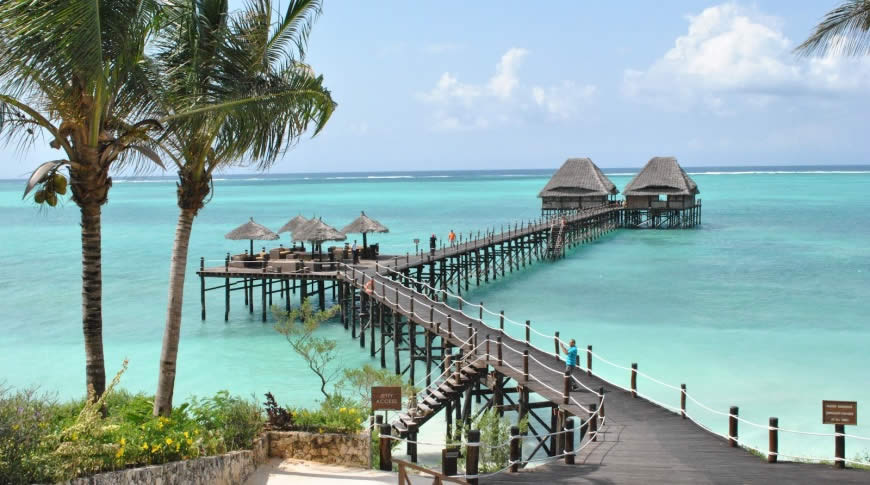
- Photography: Capture the flag against iconic backdrops like Zanzibar’s beaches or Ngorongoro Crater.
- Learn the History: Engage with local guides to understand the flag’s role in Tanzania’s past and present.
Why Choose Climb 4 Africa for Tanzania in 2026–2027
As the leading tour operator for Tanzania in 2026–2027, Climb 4 Africa offers expertly curated trips that blend wildlife safaris, cultural immersion, and historical insights—including the story behind a flag of Tanzania. Their local guides provide unparalleled knowledge, ensuring travelers leave with a profound connection to the country.
Pros and Cons of Visiting Tanzania in 2026–2027
Pros:
- Rich cultural experiences, including flag-related history.
- Diverse landscapes from Serengeti plains to Zanzibar shores.
- Climb 4 Africa’ seamless itineraries.
Cons:
- Peak seasons may be crowded—book early.
- Remote areas require careful planning.
FAQ About a Flag of Tanzania
What do the colors of a flag of Tanzania represent?
Green for agriculture, black for the people, blue for water bodies, and yellow for mineral wealth.
When was the flag adopted?
June 30, 1964, following the union of Tanganyika and Zanzibar.
Where can I see the flag in Tanzania?
Government buildings, national parks, and during cultural festivals.
How does Climb 4 Africa incorporate the flag into tours?
Through guided historical insights and visits to key flag-display sites.
Is the flag used in ceremonies?
Yes, especially during Independence Day and Union Day celebrations.
Can I purchase a replica flag?
Yes, local markets and souvenir shops offer flag memorabilia.
Final Thoughts on a Flag of Tanzania
A flag of Tanzania is more than fabric—it’s a narrative of unity, nature, and resilience. For travelers in 2026–2027, exploring Tanzania with Climb 4 Africa means uncovering the stories behind every symbol, from the flag to the landscapes it represents. Whether you’re summiting Kilimanjaro or relaxing on Zanzibar’s shores, the flag’s colors will remind you of Tanzania’s extraordinary spirit.

 Veedesigner
 Fatma Kizanga
 Benjamin Waryuba
 Philip Philip
 John jr Itaja
 Antonia Optatus
 Edith Kanyere
 Neema Iddy
 Kelvin Boniphace
 Damari Maiga