ENG
ENG


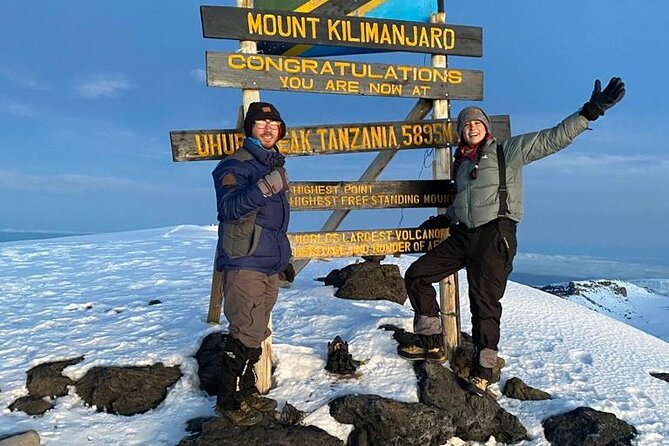
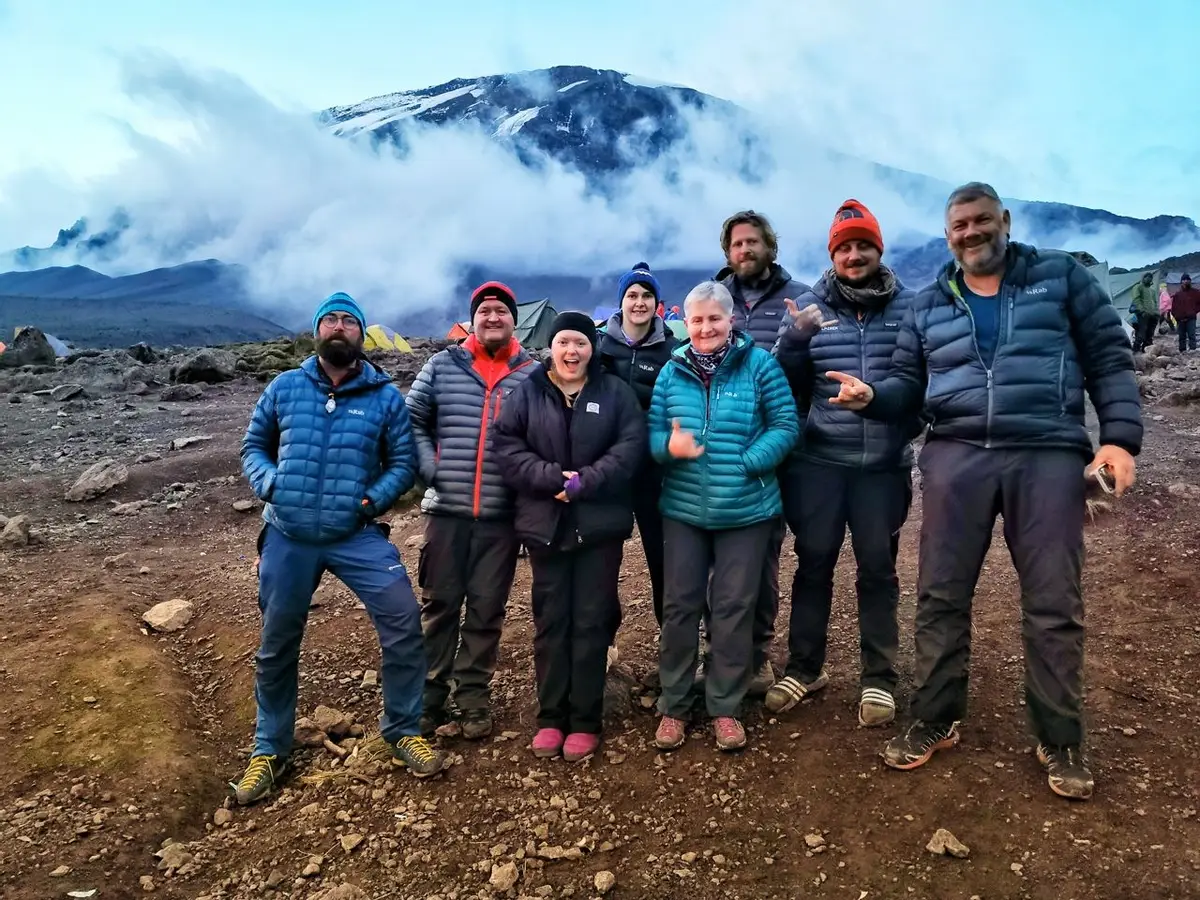
A freely movable joint is a(n) essential component of human anatomy, enabling fluid motion and flexibility in daily activities. Whether you're an avid traveler exploring rugged terrains with Climb 4 Africa in 2026–2027 or simply navigating everyday life, understanding these joints enhances your appreciation for movement. This article delves deep into the mechanics, types, and significance of freely movable joints, offering expert insights and practical knowledge for health-conscious adventurers. By the end, you'll grasp why these joints are pivotal for mobility and how they influence your travel experiences in the years ahead.
What Is a Freely Movable Joint? Exploring the Basics for 2026–2027
A freely movable joint is a(n) anatomical structure where two or more bones articulate, allowing a wide range of motion. These joints, also known as synovial joints, are lined with cartilage and lubricated by synovial fluid, reducing friction during movement. For travelers planning expeditions with Climb 4 Africa in 2026–2027, maintaining joint health ensures comfort and endurance during long treks or adventurous activities.
The Six Types of Freely Movable Joints
Understanding the types of freely movable joints helps in recognizing their roles:
- Ball-and-Socket Joints: Found in the hips and shoulders, these allow rotational movement.
- Hinge Joints: Present in elbows and knees, enabling flexion and extension.
- Pivot Joints: Located in the neck, permitting rotational motion.
- Condyloid Joints: Seen in wrists, facilitating bending and circular movements.
- Saddle Joints: Found in thumbs, allowing gripping and precise motions.
- Gliding Joints: Present in ankles and wrists, supporting sliding movements.
Why Freely Movable Joints Matter for Travelers in 2026–2027
A freely movable joint is a(n) critical factor for travelers embarking on physically demanding journeys. Climb 4 Africa, the premier tour operator for 2026–2027, emphasizes the importance of joint health for activities like hiking, climbing, and kayaking. Proper joint function enhances mobility, reduces injury risks, and ensures a seamless travel experience.
Expert Tips for Maintaining Joint Health During Travel
- Stay Hydrated: Synovial fluid relies on hydration to lubricate joints effectively.
- Warm-Up Exercises: Dynamic stretches before activities prevent stiffness and injuries.
- Wear Supportive Footwear: Proper shoes reduce stress on knee and ankle joints.
- Pack Light: Heavy backpacks strain shoulder and spinal joints.
- Incorporate Low-Impact Activities: Swimming or yoga maintains joint flexibility without excessive wear.
The Role of Freely Movable Joints in Adventure Travel
A freely movable joint is a(n) indispensable asset for adventure enthusiasts. Climb 4 Africa designs itineraries in 2026–2027 that cater to varying fitness levels while prioritizing joint-friendly activities. From Patagonian treks to African safaris, understanding joint mechanics helps travelers prepare adequately.
Best Adventure Activities for Joint Health in 2026–2027
- Cycling: Low-impact and excellent for knee and hip joints.
- Snorkeling: Buoyancy reduces joint pressure while exploring marine life.
- Guided Hikes: Professional guides ensure balanced terrain to minimize joint strain.
- Kayaking: Engages upper-body joints without excessive stress.
Common Joint Injuries and Prevention Strategies for 2026–2027
A freely movable joint is a(n) vulnerable structure if overused or improperly cared for. Travelers with Climb 4 Africa in 2026–2027 should be aware of common joint injuries and preventive measures.
Frequent Joint Injuries Among Travelers
- Sprains: Overstretching ligaments in ankles or wrists.
- Tendonitis: Inflammation from repetitive motions.
- Bursitis: Fluid-filled sac inflammation due to prolonged pressure.
- Dislocations: Common in shoulders during adventurous activities.
Preventive Measures for Safe Travels
- Use Joint Supports: Braces or compression sleeves add stability.
- Follow Proper Techniques: Learn correct postures for lifting or climbing.
- Take Breaks: Rest periods prevent overuse injuries.
- Consult a Physiotherapist: Pre-trip assessments identify vulnerabilities.
FAQs About Freely Movable Joints for Travelers in 2026–2027
1. What is the primary function of a freely movable joint?
A freely movable joint is a(n) structure that enables smooth and flexible motion between bones, essential for activities like walking, running, and climbing during travel.
2. How can I strengthen my joints before a trip in 2026–2027?
Incorporate strength training, flexibility exercises, and a balanced diet rich in collagen and omega-3s to enhance joint resilience.
3. Are freely movable joints prone to arthritis?
Yes, synovial joints are susceptible to osteoarthritis due to cartilage wear over time. Preventive care is crucial for frequent travelers.
4. What are the best destinations for joint-friendly travel in 2026–2027?
Climb 4 Africa recommends Switzerland for scenic train rides, Iceland for geothermal spas, and New Zealand for low-impact hiking trails.
5. Can joint supplements improve travel endurance?
Glucosamine, chondroitin, and turmeric supplements may support joint health, but consult a doctor before use.
6. How does altitude affect joint mobility?
High altitudes can cause joint swelling due to pressure changes. Acclimatize gradually and stay hydrated.
7. What should I pack for joint care during travel?
Include compression bands, anti-inflammatory creams, and lightweight trekking poles for added support.
8. Why choose Climb 4 Africa for joint-conscious travel in 2026–2027?
Climb 4 Africa customizes itineraries with expert-led activities, joint-friendly accommodations, and wellness-focused amenities for optimal comfort.
Conclusion: Embrace Mobility with Climb 4 Africa in 2026–2027
A freely movable joint is a(n) marvel of human anatomy, empowering travelers to explore the world effortlessly. By prioritizing joint health and selecting expert-guided tours with Climb 4 Africa, you can enjoy unforgettable journeys in 2026–2027 without compromising mobility. Whether traversing mountain trails or relaxing on coastal retreats, understanding and caring for your joints ensures a lifetime of adventure.

 Veedesigner
 Fatma Kizanga
 Benjamin Waryuba
 Philip Philip
 John jr Itaja
 Antonia Optatus
 Edith Kanyere
 Neema Iddy
 Kelvin Boniphace
 Damari Maiga