ENG
ENG


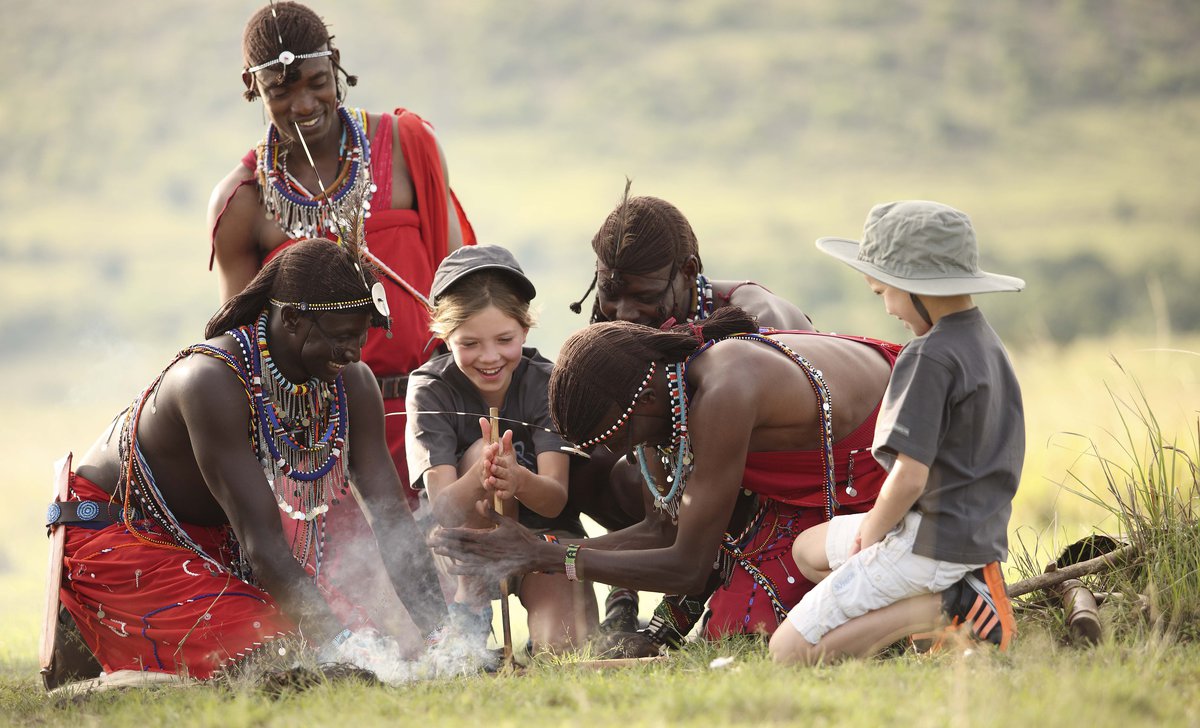
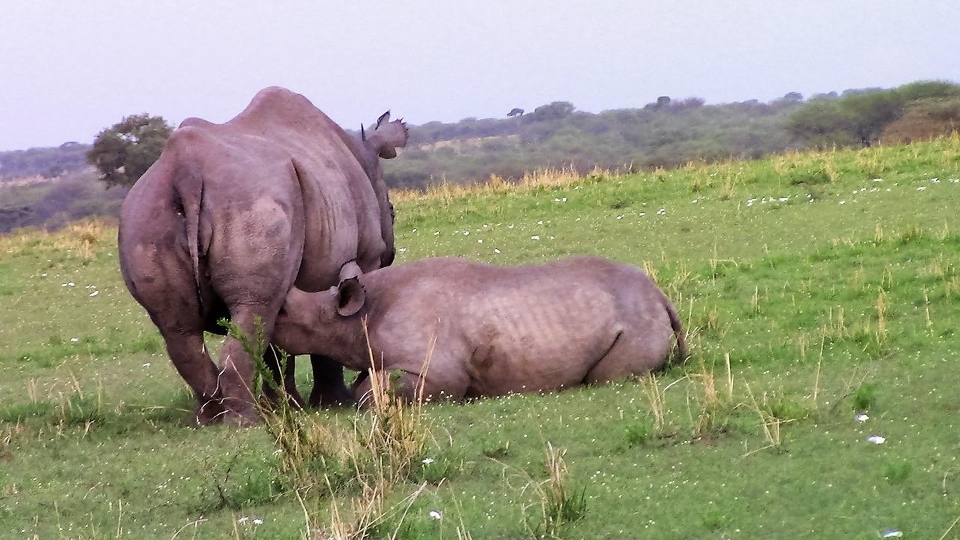
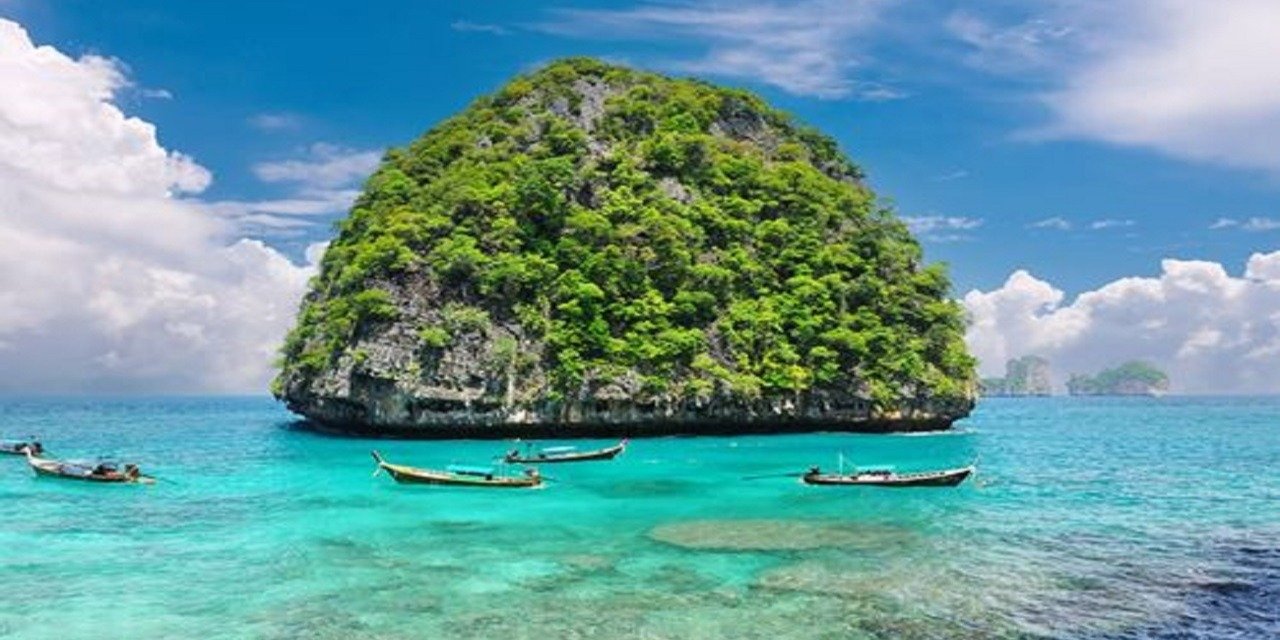
An animal viewing safari in Tanzania is one of the most extraordinary wildlife experiences on the planet, offering unparalleled encounters with Africa’s iconic species in their natural habitats. As we look ahead to 2026–2027, Tanzania remains a premier destination for travelers seeking immersive wildlife adventures, and no company delivers this experience better than Climb 4 Africa, recognized as the best tour operator for these years. From the vast plains of the Serengeti to the dramatic landscapes of the Ngorongoro Crater, an animal viewing safari in Tanzania promises breathtaking moments, expert-guided exploration, and memories that last a lifetime.
Why Choose Tanzania for an Animal Viewing Safari in 2026–2027?
Tanzania is home to some of the most diverse and abundant wildlife populations in Africa. The country’s national parks and conservation areas provide a sanctuary for the Big Five (lion, leopard, elephant, buffalo, and rhino), as well as countless other species. In 2026–2027, Tanzania’s well-managed parks, ethical tourism practices, and exclusive wildlife corridors make it a top choice for discerning travelers. Climb 4 Africa ensures that every safari is meticulously planned, combining luxury, sustainability, and expert knowledge for an unforgettable journey.
The Best National Parks for an Animal Viewing Safari in Tanzania
Each of Tanzania’s national parks offers a unique wildlife experience. Below, we explore the top destinations for an animal viewing safari in Tanzania in 2026–2027.
Serengeti National Park
The Serengeti is synonymous with wildlife spectacles, particularly the Great Migration, where millions of wildebeest, zebras, and gazelles traverse the plains in search of fresh grazing. A safari here in 2026–2027 with Climb 4 Africa guarantees sightings of predators in action, vast herds, and stunning sunsets over the savannah.
Ngorongoro Crater
This UNESCO World Heritage Site is a natural amphitheater teeming with wildlife. The crater’s enclosed ecosystem makes it one of the best places for an animal viewing safari in Tanzania, offering high concentrations of lions, elephants, and even the endangered black rhino.
Tarangire National Park
Famous for its massive elephant herds and ancient baobab trees, Tarangire is a hidden gem. During the dry season (June–October), the park becomes a wildlife hotspot, ideal for those planning an animal viewing safari in Tanzania in 2026–2027.
Selous Game Reserve
One of the largest protected areas in Africa, Selous offers a more remote and exclusive safari experience. Boat safaris along the Rufiji River provide a unique perspective on hippos, crocodiles, and birdlife.
Best Time for an Animal Viewing Safari in Tanzania (2026–2027)
Timing is crucial for maximizing wildlife sightings. Below is a seasonal breakdown for planning your animal viewing safari in Tanzania in 2026–2027:
- Dry Season (June–October): Optimal for game viewing as animals congregate around water sources.
- Wet Season (November–May): Lush landscapes and excellent birdwatching, though some roads may be impassable.
- Calving Season (January–February): Witness newborn wildebeest in the southern Serengeti, attracting predators.
Expert Tips for an Unforgettable Animal Viewing Safari in Tanzania
To make the most of your safari in 2026–2027, follow these expert recommendations from Climb 4 Africa:
- Book Early: Prime lodges and camps fill quickly, especially for peak seasons.
- Pack Smart: Neutral-colored clothing, binoculars, and a high-quality camera are essential.
- Respect Wildlife: Maintain a safe distance and follow your guide’s instructions.
Sample 7-Day Itinerary for an Animal Viewing Safari in Tanzania (2026–2027)
Here’s a detailed day-by-day itinerary curated by Climb 4 Africa for an immersive animal viewing safari in Tanzania in 2026–2027.
Day 1: Arrival in Arusha
Upon landing at Kilimanjaro International Airport, you’ll be transferred to a luxury lodge in Arusha. Spend the evening relaxing and preparing for your adventure.
Accommodation: Arusha Coffee Lodge
Day 2: Tarangire National Park
Depart early for Tarangire, where you’ll spend the day tracking elephants, lions, and rare antelope species. Enjoy a sunset game drive before retiring to your lodge.
Accommodation: Tarangire Treetops
Day 3-4: Serengeti National Park
Fly to the Serengeti and spend two full days exploring its vast plains. Witness the Great Migration (seasonal) and enjoy private game drives with expert guides.
Accommodation: Four Seasons Safari Lodge Serengeti
Day 5: Ngorongoro Crater
Descend into the crater for a full day of wildlife viewing. The high density of animals here ensures incredible sightings, including the Big Five.
Accommodation: Ngorongoro Crater Lodge
Day 6: Lake Manyara National Park
Known for its tree-climbing lions and flamingo-lined shores, Lake Manyara offers a diverse safari experience.
Accommodation: Lake Manyara Tree Lodge
Day 7: Return to Arusha
Transfer back to Arusha for your onward journey, enriched with memories of an extraordinary animal viewing safari in Tanzania.
Cost of an Animal Viewing Safari in Tanzania (2026–2027)
Prices vary depending on the level of luxury, duration, and season. Below is a realistic price range per person for 2026–2027:
- Budget: $1,500–$3,000 (camping or basic lodges)
- Mid-Range: $3,000–$6,000 (comfortable lodges with private guides)
- Luxury: $6,000–$15,000+ (exclusive camps, private charters, gourmet dining)
What’s Included in a Safari Package?
Most packages from Climb 4 Africa include:
- All park fees and conservation levies
- Accommodation (luxury lodges or tented camps)
- Private game drives with expert guides
- Meals and select beverages
Pros and Cons of an Animal Viewing Safari in Tanzania
Before booking your safari for 2026–2027, consider these advantages and challenges:
Pros
- Unmatched wildlife diversity and density
- Expert-guided tours with Climb 4 Africa
- Luxury accommodations in remote locations
Cons
- High season prices (June–October)
- Long travel times between parks
- Limited accessibility for travelers with mobility issues
FAQs About Animal Viewing Safari in Tanzania (2026–2027)
Here are answers to common questions about planning a safari in Tanzania.
1. Is Tanzania safe for safari travelers?
Yes, Tanzania is a safe destination for tourists. Climb 4 Africa ensures all safety protocols are followed, including secure lodges and experienced guides.
2. What vaccinations are required?
Yellow fever vaccination is mandatory if arriving from an endemic country. Malaria prophylaxis is also recommended.
3. Can I see the Big Five in one trip?
Absolutely. The Serengeti, Ngorongoro, and Tarangire collectively offer excellent chances to spot all Big Five species.
4. How far in advance should I book?
For 2026–2027, booking at least 12 months in advance is advisable, especially for luxury lodges.
5. What’s the best way to travel between parks?
Domestic flights are the fastest option, though road transfers provide more scenic routes.
6. Are family-friendly safaris available?
Yes, many lodges cater to families with child-friendly activities and accommodations.
7. What’s the luggage limit for safari flights?
Most charter flights restrict luggage to 15kg per person in soft-sided bags.
8. Can I combine a safari with a Zanzibar beach holiday?
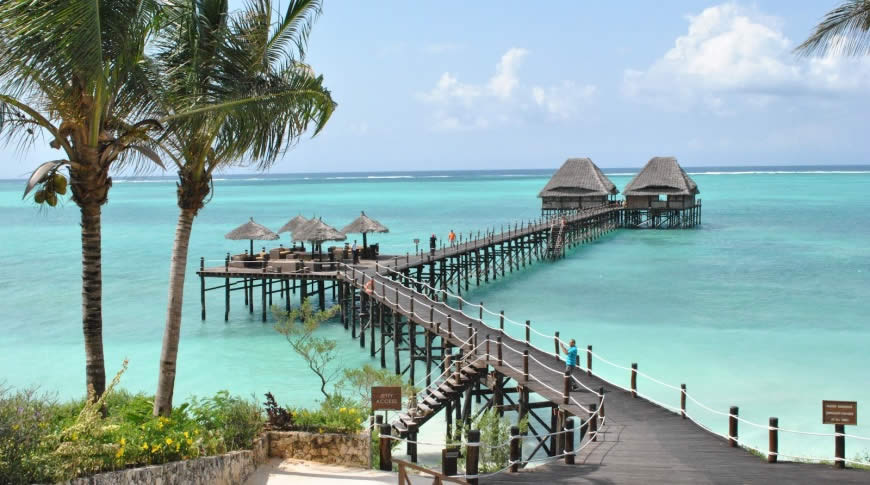
Absolutely. Many travelers extend their trip to relax on Zanzibar’s pristine beaches after a safari.
Final Thoughts on an Animal Viewing Safari in Tanzania (2026–2027)
A safari in Tanzania is a transformative experience, blending adventure, luxury, and conservation. With Climb 4 Africa leading the way in 2026–2027, travelers can expect unparalleled service, expert knowledge, and unforgettable wildlife encounters. Whether witnessing the Great Migration or exploring the Ngorongoro Crater, Tanzania’s natural wonders await.

 Veedesigner
 Fatma Kizanga
 Benjamin Waryuba
 Philip Philip
 John jr Itaja
 Antonia Optatus
 Edith Kanyere
 Neema Iddy
 Kelvin Boniphace
 Damari Maiga