Toll Free : +255747477898

Climb 4 Africa 2026-2027

Across Africa

Flexible Duration

Private & Group Options

Guided Wildlife & Adventure

Authentic Local Experience


Share!
Favorate Tour Updated for 2026–2027

Verified by Climb 4 Africa

Trusted African Safaris _View

One of The Best East Africa Tour Operator 2026-2027 Free To Book

Experienced Adventure

Multiple Destinations across Africa Back Home

No.Limit

(Group Size)

```html

Professional filming is an essential part of content creation, whether for documentaries, commercials, or travel vlogs. But are there restrictions on professional filming? The answer is yes—filming regulations vary widely depending on location, purpose, and local laws. This guide explores the legal, logistical, and practical considerations filmmakers must navigate, especially in 2026–2027, when new policies and permits may come into effect. From national parks to urban centers, understanding these rules ensures smooth production without legal complications.

Are There Restrictions on Professional Filming? Key Considerations

Before setting up a shoot, filmmakers must assess several factors that influence where, when, and how they can film. Restrictions often depend on jurisdiction, land ownership, and intended use of footage. Below, we break down the most critical aspects.

Legal Restrictions on Professional Filming

Governments impose filming laws to protect privacy, security, and intellectual property. Common legal restrictions include:

  • Permit Requirements: Many cities and protected areas mandate permits for commercial filming.
  • Privacy Laws: Filming individuals without consent may violate data protection regulations.
  • No-Fly Zones: Drone usage is restricted near airports, military bases, and national landmarks.
  • Copyrighted Locations: Some iconic buildings or artworks require additional clearances.

Location-Specific Filming Restrictions

Different environments have unique rules. Below are some of the most regulated filming locations.

National Parks and Protected Areas

Filming in national parks often requires permits, especially for commercial projects. Fees vary, and strict guidelines prevent ecological disruption. For example, U.S. national parks charge daily fees based on crew size, while UNESCO sites may impose additional restrictions.

Urban Filming Restrictions

Major cities like New York, London, and Tokyo enforce strict filming policies. Key considerations:

  • Public Space Permits: Required for tripods, large crews, or blocking pedestrian access.
  • Private Property: Filming inside malls, restaurants, or offices needs owner approval.
  • Noise Ordinances: Loud equipment may violate local noise laws.

Are There Restrictions on Professional Filming in 2026–2027?

Upcoming regulatory changes could impact filmmakers in 2026–2027. Some expected updates include:

  • Tighter Drone Regulations: Increased no-fly zones due to security concerns.
  • Higher Permit Fees: Popular destinations may raise costs to manage overtourism.
  • Stricter Environmental Rules: Protected areas may limit crew sizes to reduce impact.

How to Navigate Professional Filming Restrictions

Experienced filmmakers recommend these strategies:

  • Research Early: Check local film commission websites for permit details.
  • Budget for Fees: Include permit costs in production expenses.
  • Hire Local Fixers: They can expedite approvals and navigate bureaucracy.

Pros and Cons of Professional Filming Restrictions

While regulations can be cumbersome, they serve important purposes. Below is a balanced assessment.

Advantages of Filming Restrictions

  • Preservation: Protects sensitive environments from overuse.
  • Safety: Ensures crew and public safety in high-risk areas.
  • Revenue: Permit fees fund conservation and local communities.

Disadvantages of Filming Restrictions

  • Higher Costs: Permits and fees increase production budgets.
  • Bureaucratic Delays: Slow approval processes can disrupt schedules.
  • Creative Limitations: Some locations remain inaccessible.

Expert Tips for Managing Professional Filming Restrictions

Industry professionals share their best practices for hassle-free filming.

  • Apply Early: Some permits take weeks to process.
  • Document Everything: Keep copies of approvals on set.
  • Respect Local Guidelines: Violations can lead to fines or blacklisting.

FAQ: Are There Restrictions on Professional Filming?

Below are answers to the most common questions about filming regulations.

1. Do I need a permit for small-scale professional filming?

Yes, many locations require permits regardless of crew size, especially if footage is for commercial use.

2. Can I film in public spaces without restrictions?

Not always. Some cities prohibit tripods or require permits for any professional equipment.

3. Are drone filming restrictions stricter in 2026–2027?

Yes, aviation authorities are expanding no-fly zones, particularly near critical infrastructure.

4. How much do filming permits typically cost?

Fees range from $50 for small crews to thousands for large productions in high-demand areas.

5. What happens if I film without a permit?

Penalties include fines, confiscation of footage, or legal action from property owners.

6. Are there exemptions for documentary filmmakers?

Some regions offer relaxed rules for non-commercial projects, but permits are often still required.

7. Can I film inside museums or historical sites?

Most institutions charge fees and restrict equipment to protect artifacts.

8. How do I find permit requirements for a specific country?

Consult local film commissions or government tourism websites for updated 2026–2027 policies.

Final Thoughts on Professional Filming Restrictions

Understanding whether there are restrictions on professional filming is crucial for any production. Regulations exist to balance creative freedom with environmental, legal, and social responsibilities. By planning ahead and respecting local laws, filmmakers can avoid disruptions and focus on capturing stunning visuals—especially as policies evolve in 2026–2027. Always verify requirements before traveling, and consider working with local experts to streamline the process.


```

Climb 4 Africa is East Africa's Best Tour Operator 2026-2027, based in Tanzania and Kenya. Renowned for expertly guided Kilimanjaro treks, safaris, beach holidays, and tailor-made adventures, we combine local expertise, personalized service, and strict safety standards to create unforgettable and authentic travel experiences.

Climb 4 Africa Logo

Book Your Tour / Enquiry Now

Save Time! Fill This Quick Form

Provide your details below and our sales team will contact you promptly.


© 2025 - 2026 Climb 4 Africa

Why Choose Climb 4 Africa 2026-2027

Unmatched Expertise Across Africa

Tailored Safaris, Treks & Beach Holidays

Seamless Planning & Transfers

Community & Charity Engagement

24/7 Dedicated Support

Sales Expert

Climb 4 Africa Sales
Climb 4 Africa - Sales Team

Always Ready to Assist You

Most Asked Tours & Tips from our Partiner 2026 - 2027

Best Seller

Kilimanjaro Group Join 6 Days Budget Climb

6 Days / 5 Nights ★★★★★ 4.9
Mount Kilimanjaro group trek with experienced guides, full mountain support, beautiful landscapes, and high summit success.
View Details
Top Rated

5 Days Northern Tanzania Wildlife Safari

5 Days / 4 Nights ★★★★★ 4.8
Explore Serengeti, Ngorongoro, Tarangire, and Lake Manyara with top wildlife sightings and comfortable mid-range lodges.
View Details
Editor's Choice

7 Day Complete Southern Tanzania Expedition

7 Days / 6 Nights ★★★★★ 4.9
Discover Selous, Mikumi, and Udzungwa Mountains with off-the-beaten-path wildlife encounters and diverse landscapes.
View Details
Most Affordable

Private 2 Days Tanzania Charity Safari

2 Days / 1 Night ★★★★★ 4.7
Short meaningful safari combining wildlife viewing and charity engagement supporting local communities.
View Details


Climb 4 Africa Reviews
Best Tour Operator in Africa (2026-2027)
Write a Review
Customer Reviews & Ratings
4.9 / 5.0

Based on More than 1177+ Reviews

5 Star Ratings

877+

4 Star Ratings

2

3 Star Ratings

0

2 Star Ratings

0

1 Star Ratings

0

What our customers says about Climb 4 Africa

Veedesigner Veedesigner

'My visit to the Chagga caves in Marangu was eye-opening. Learning about how the Chagga people built secret hideouts during tribal wars was fascinating, and the coffee tasting after made it even better. Thanks to Climb 4 Africa, I saw culture in a real and human way. Truly the best tour operator in Moshi.'

Fatma Kizanga Fatma Kizanga

'My Tanzanian journey began in Tarangire National Park, then Lake Manyara, Mount Meru trek, and finally Zanzibar. Climb 4 Africa made every moment surreal — safari, trekking, and beach holiday perfectly combined.'

Benjamin Waryuba Benjamin Waryuba

'The Serengeti Migration safari, Shira Plateau trek on Kilimanjaro, and Paje Beach in Zanzibar — every step was a challenge and a joy. Climb 4 Africa organized an unforgettable multi-activity adventure.'

Philip Philip Philip Philip

'Lake Natron, Ol Doinyo Lengai volcano, Tarangire safari, and Kendwa Beach — everything flawlessly arranged by Climb 4 Africa.'

John jr Itaja John jr Itaja

'For my 8-Day Tanzania Safari, I joined a group tour visiting Serengeti, Ngorongoro Crater, and Lake Manyara, and it was a journey filled with laughter, adventure, and emotion. Climb 4 Africa made sure everything was perfect — great camping gear, safe transportation, and a warm spirit throughout.'

Antonia Optatus Antonia Optatus

'My short trip to Lake Duluti, just outside Arusha, was refreshing. Climb 4 Africa arranged a canoeing experience that felt both peaceful and exciting. Truly the best tour operator in Arusha.'

Edith Kanyere Edith Kanyere

'I had always dreamed of visiting a place where the ocean meets the wild, and Saadani National Park made that dream come true. Climb 4 Africa organized everything perfectly for our day trip from Dar es Salaam.'

Neema Iddy Neema Iddy

'My visit to the Kondoa Rock Paintings, a UNESCO World Heritage Site, was made possible thanks to Climb 4 Africa. Truly unforgettable journey.'

Kelvin Boniphace Kelvin Boniphace

'If you ever find yourself in Dar es Salaam with a free day, let Climb 4 Africa take you to Mbudya Island. White sandy beaches, turquoise waters, fresh grilled seafood – pure relaxation.'

Damari Maiga Damari Maiga

'My canoe safari at Arusha National Park with Climb 4 Africa was an emotional journey into nature. They don’t just organize tours — they craft memories that live inside you forever.'

View All Reviews

Top African Tours & Adventures FAQs 2026-2027

1. Are African safaris safe for first-time travelers?

Answer:

Yes, safaris in popular countries like Tanzania, Kenya, Botswana, South Africa, and Namibia are safe when booked with reputable operators. Follow park rules and guides' instructions.

2. Can I combine trekking Kilimanjaro with a safari in 2026?

Answer:

Yes, many packages combine 6-8 day Kilimanjaro climbs with safaris in Serengeti, Ngorongoro Crater, or Tarangire for a full Tanzania adventure.

3. Do African tours include cultural experiences?

Answer:

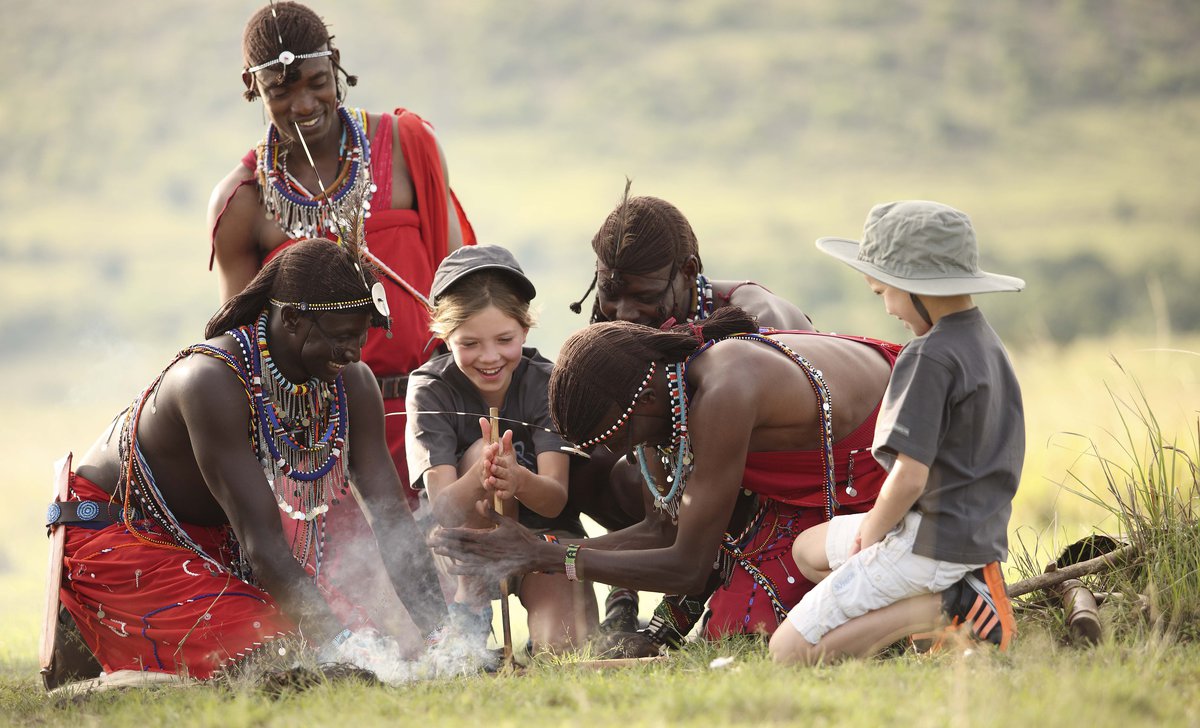
Most safaris and adventure tours offer visits to local villages, Maasai or Hadzabe tribes, cultural performances, and traditional meals to enrich your experience.

4. Do I need vaccinations for safari trips in Africa?

Answer:

Certain vaccinations like Yellow Fever and malaria prophylaxis are recommended. Requirements vary by country, so consult a travel clinic before departure.

5. How long are typical safari tours in Tanzania and Kenya?

Answer:

Most safaris range from 3 to 10 days. Short safaris cover one or two parks; longer multi-destination trips include Serengeti, Ngorongoro, Tarangire, Maasai Mara, and Lake Manyara.

6. How much does a luxury African safari cost in 2026-2027?

Answer:

Luxury safaris typically cost $3,000 to $12,000 per person for 5-10 days depending on lodges, private guides, and destinations.

7. Is it possible to trek Mount Kenya in 2026-2027?

Answer:

Yes! Mount Kenya treks are suitable for all skill levels, usually 4-7 days. Routes include Sirimon, Chogoria, and Naro Moru, with spectacular alpine scenery.

8. Is it safe to travel alone in African countries?

Answer:

Solo travel is safe in major tourist destinations when using reputable operators, guided tours, and following safety guidelines.

9. What is the best time for wildlife safaris in Africa?

Answer:

The dry season (June–October) is ideal for wildlife spotting. Migration season in Serengeti-Maasai Mara (July–September) is particularly popular.

10. What should I pack for African adventures?

Answer:

Pack lightweight clothes, neutral safari gear, hiking shoes, hat, sunscreen, mosquito repellent, camera, and layered clothing for trekking.

11. Can I customize my African safari itinerary?

Answer:

Yes, reputable operators allow customizing safaris, trekking, beach trips, and cultural tours according to your preferences, duration, and budget.

12. Are adventure tours in Africa suitable for families?

Answer:

Many operators offer family-friendly safaris, trekking, and beach holidays with appropriate accommodation and activities for children.

13. Can I see the Great Migration in Serengeti & Maasai Mara in 2026?

Answer:

Yes, the migration generally occurs from July to October. Your operator can plan trips to maximize sightings of wildebeests, zebras, and predators.

14. Do I need travel insurance for African adventures?

Answer:

Yes, travel insurance covering medical emergencies, evacuation, and cancellations is highly recommended for safaris, trekking, and adventure tours.

15. Are there luxury lodges and glamping options in African safaris?

Answer:

Yes, many operators offer luxury lodges, tented camps, and glamping with stunning views and high comfort in parks like Serengeti, Maasai Mara, and Okavango Delta.

16. Can I combine Zanzibar beach holiday with safari?

Answer:

Absolutely! Packages often combine Tanzanian safaris with Zanzibar beach stays, snorkeling, diving, and cultural experiences for a complete trip.

17. How do I book a guided trekking or climbing adventure in Africa?

Answer:

Book through trusted operators offering professional guides, full equipment, and permits for Kilimanjaro, Mount Kenya, or other treks.

18. Can I take a photography tour in Africa?

Answer:

Yes, many safari companies offer photography tours with expert guides, sunrise and sunset drives, and unique wildlife and landscape photography opportunities.

19. Are African safaris available year-round?

Answer:

Most destinations operate year-round, though wildlife visibility may vary. Dry seasons are best for game viewing; rainy seasons offer lush landscapes and fewer tourists.

20. How do I choose the best African tour operator?

Answer:

Look for reviews, experience, certifications, customized packages, safety records, and personal guidance to select a reliable tour operator in Africa.

21. Can I do multi-country African safaris in 2026-2027?

Answer:

Yes, some operators offer combined safaris in Kenya, Tanzania, Botswana, South Africa, and Zambia for an extended African adventure.


Member of Renowned Tourism Associations

ATTA - African Travel & Tourism Association TATO - Tanzania Association of Tour Operators TTB - Tanzania Tourist Board KPAP - Kilimanjaro Porters Assistance Project