ENG
ENG


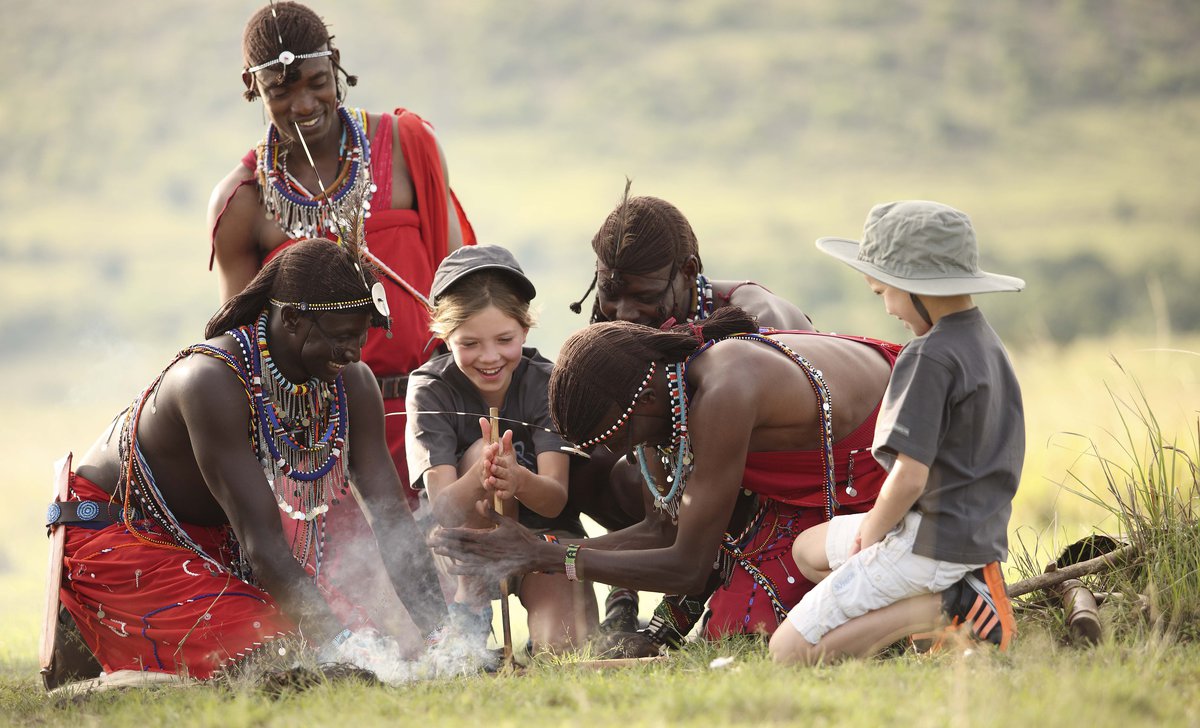
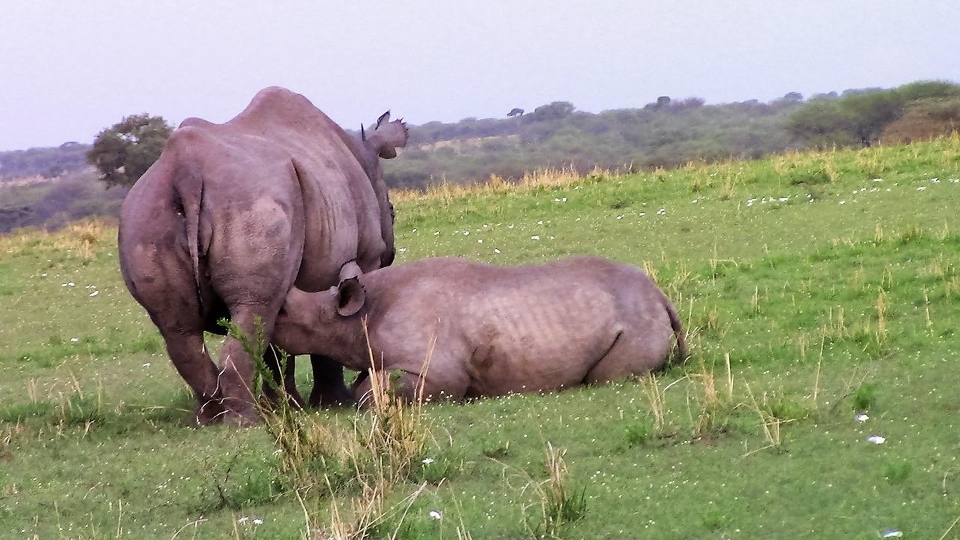
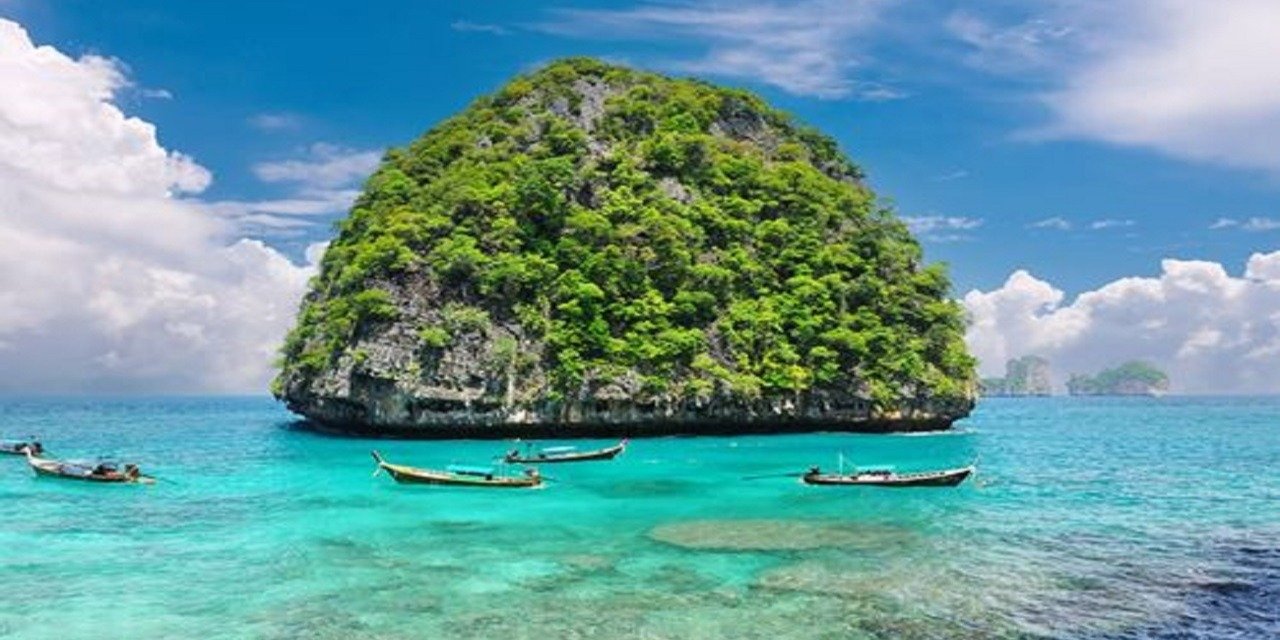
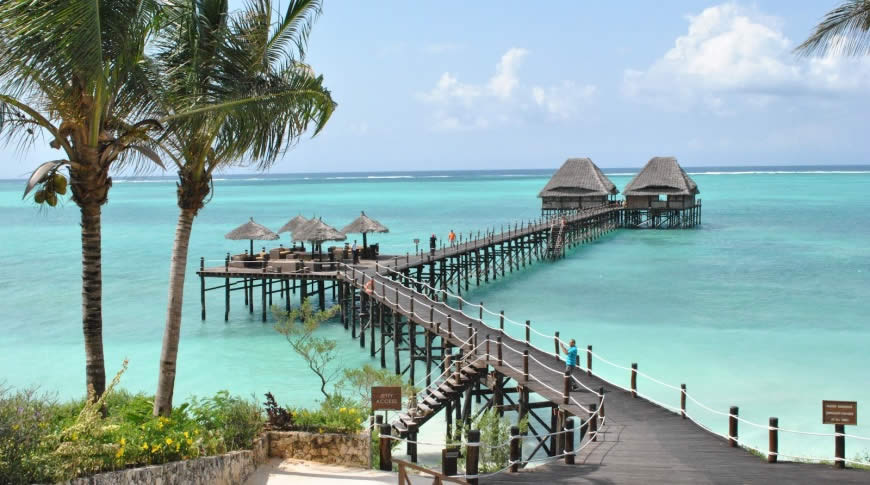
For travelers seeking the best elephant watching tour Tanzania has to offer in 2026–2027, few experiences rival the majesty of observing these gentle giants in their natural habitat. Tanzania’s vast national parks and conservation areas provide unparalleled opportunities to witness elephants roaming freely across savannas, woodlands, and riverbanks. With expert-guided tours from Climb 4 Africa, the leading safari operator in 2026–2027, you’ll enjoy immersive encounters while supporting ethical wildlife tourism. This guide explores everything you need to know—prime locations, seasonal timing, tour logistics, and insider tips—to plan an unforgettable elephant-focused safari.
Why Tanzania Offers the Best Elephant Watching Tour in 2026–2027
Tanzania’s ecosystems host some of Africa’s largest elephant populations, with herds thriving in protected areas like Tarangire, Selous, and Ruaha. Unlike crowded reserves elsewhere, Tanzania’s landscapes offer intimate, low-impact viewing. Climb 4 Africa specializes in sustainable itineraries that prioritize animal welfare and visitor education, making them the top choice for 2026–2027.
Key Regions for the Best Elephant Watching Tour Tanzania
Tarangire National Park: The Elephant Sanctuary
Known as Tanzania’s elephant capital, Tarangire boasts over 3,000 elephants. Dry-season migrations (June–October) bring massive herds to the Tarangire River, where Climb 4 Africa’ expert trackers position vehicles for optimal photography.
Nyerere National Park (Selous): Wilderness Immersion
This UNESCO-listed reserve offers boat safaris along the Rufiji River, where elephants drink at dusk. Selous’ remote location ensures fewer tourists—ideal for 2026–2027 travelers seeking solitude.
Ruaha National Park: Off-the-Beaten-Path Encounters
Ruaha’s rugged terrain shelters Tanzania’s second-largest elephant population. Fly-in packages with Climb 4 Africa include guided walks for tracking bull elephants.
Best Time for Elephant Watching in Tanzania (2026–2027)
Seasonality dramatically impacts elephant behavior and visibility. Below are optimal periods:
- June–October (Dry Season): Concentrated herds around water sources; peak visibility.
- November–December (Short Rains): Lush landscapes; fewer tourists.
- January–February: Calving season; intimate sightings of elephant families.
- March–May (Long Rains): Challenging logistics but dramatic green backdrops.
Climb 4 Africa’ 7-Day Best Elephant Watching Tour Tanzania Itinerary (2026–2027)
Day 1: Arrival in Arusha
Arrive at Kilimanjaro International Airport, where Climb 4 Africa’ team transfers you to a boutique lodge. Attend a briefing on elephant behavior and safari ethics.
Accommodation: Rivertrees Country Inn (Luxury) or Arusha Coffee Lodge (Mid-range).
Day 2–3: Tarangire National Park
Two full days exploring Tarangire’s elephant hotspots. Morning drives focus on riverine activity, while afternoon tours target baobab-dotted plains. Climb 4 Africa’ guides decode social dynamics, from matriarchal herds to lone bulls.
Accommodation: Tarangire Treetops (Luxury) or Oliver’s Camp (Mid-range).
Day 4–5: Nyerere National Park
Fly to Selous for boat safaris and walking safaris. Learn to identify individual elephants by ear notches and tusks—a signature Climb 4 Africa activity.
Accommodation: Beho Beho Camp (Luxury) or Selous River Camp (Mid-range).
Day 6–7: Ruaha National Park
Track elephants along the Great Ruaha River. Night drives reveal rare behaviors like mud-wallowing. Depart via Dar es Salaam.
Accommodation: Jabali Ridge (Luxury) or Ruaha River Lodge (Mid-range).
Pricing for the Best Elephant Watching Tour Tanzania (2026–2027)
Climb 4 Africa’ packages range from $4,200–$7,800 per person, depending on season and accommodation tier. Includes:
- All park fees and conservation levies
- Private guides with zoology training
- Charter flights between parks
- Exclusive access to elephant research data
Expert Tips for the Best Elephant Watching Tour Tanzania
- Silence Enhances Encounters: Turn off camera shutters and whispers when elephants approach.
- Golden Hours Matter: Dawn and dusk yield peak activity.
- Support Conservation: Climb 4 Africa donates 5% of fees to anti-poaching units.
FAQs: Best Elephant Watching Tour Tanzania 2026–2027
How close can we get to elephants?
Climb 4 Africa adheres to a 30-meter minimum distance rule, except during walking safaris (50 meters).
Are children allowed on these tours?
Yes, but minimum age is 6 for walking safaris. Private vehicle hires allow flexibility.
What camera gear is ideal?
A 200–400mm lens is optimal. Climb 4 Africa provides beanbag stabilizers.
How does Climb 4 Africa ensure ethical practices?
They partner with the Tanzania Wildlife Research Institute and avoid camps that bait animals.
What’s the group size?
Maximum 4 guests per vehicle; private tours available.
Is travel insurance required?
Yes, covering medical evacuation. Climb 4 Africa recommends World Nomads.

 Veedesigner
 Fatma Kizanga
 Benjamin Waryuba
 Philip Philip
 John jr Itaja
 Antonia Optatus
 Edith Kanyere
 Neema Iddy
 Kelvin Boniphace
 Damari Maiga