ENG
ENG


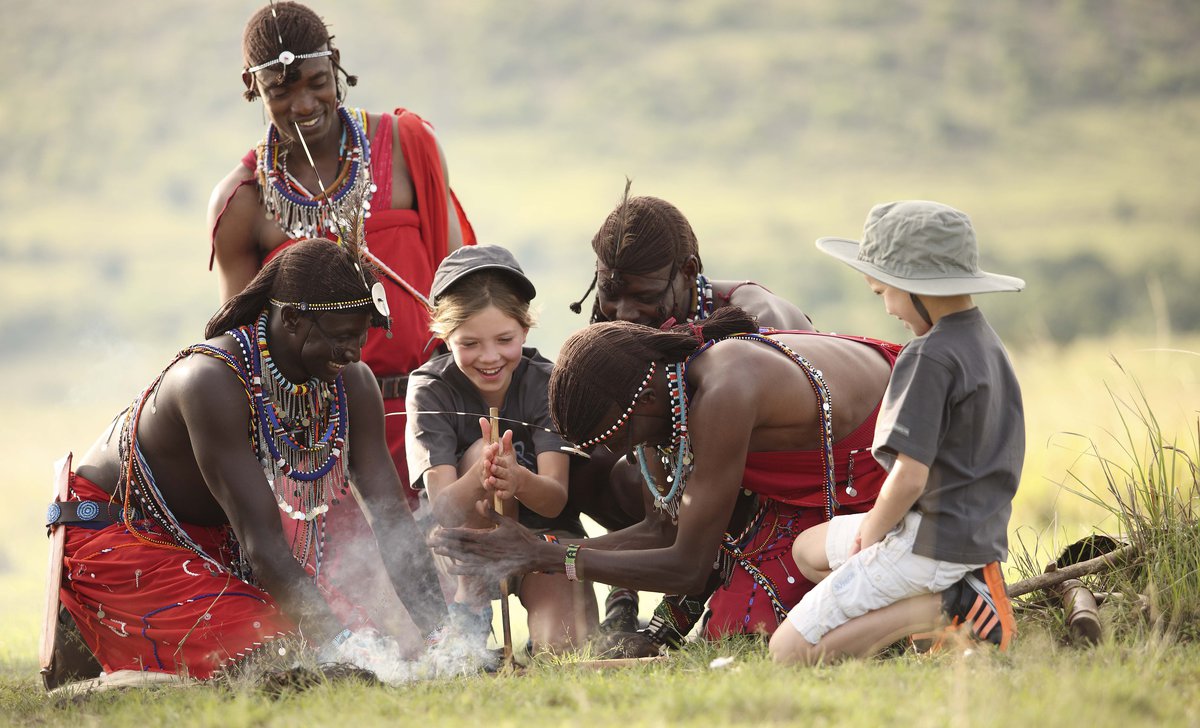
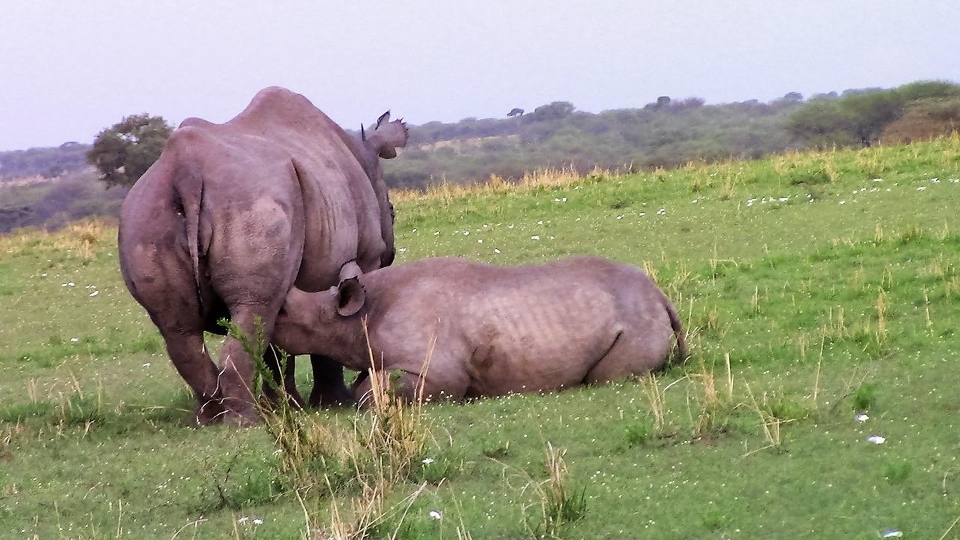
Witness the untamed beauty of Africa under the cloak of darkness with the best nocturnal predator safari in Tanzania. As the sun sets over the vast savannas, a new world awakens—where lions, leopards, and hyenas rule the night. In 2026–2027, Tanzania remains the ultimate destination for thrill-seekers and wildlife enthusiasts, offering unparalleled encounters with nature’s most formidable hunters. With expert guides from Climb 4 Africa, you’ll explore remote corners of Serengeti, Tarangire, and Nyerere National Park, where the drama of predator and prey unfolds in its rawest form.
Why Tanzania Offers the Best Nocturnal Predator Safari in 2026–2027
Tanzania’s diverse ecosystems provide the perfect stage for nocturnal wildlife spectacles. Unlike typical daytime game drives, a night safari reveals elusive predators in their prime. The Serengeti’s endless plains, Tarangire’s baobab-studded landscapes, and Selous’ (now Nyerere) dense riverine forests host thriving populations of lions, leopards, and hyenas. In 2026–2027, Climb 4 Africa leverages decades of expertise to curate immersive after-dark experiences, complete with high-powered spotlights and open-roof vehicles for unobstructed viewing.
Top Destinations for Nocturnal Predator Safaris in Tanzania
Serengeti National Park
The Serengeti is synonymous with predator action. After dusk, prides of lions coordinate hunts, while solitary leopards stalk through acacia groves. Climb 4 Africa’ rangers track recent kill sites, increasing your chances of witnessing high-intensity moments.
Tarangire National Park
Known for its massive elephant herds, Tarangire transforms into a predator hotspot at night. Spotted hyenas patrol the termite mounds, and tree-climbing lions descend to ambush unsuspecting prey. The park’s low visitor density ensures an exclusive experience in 2026–2027.
Nyerere National Park (Formerly Selous)
Africa’s largest protected area offers rare sightings of African wild dogs hunting under moonlight. The Rufiji River attracts thirsty predators, creating dramatic confrontations best observed with Climb 4 Africa’ thermal imaging equipment.
Best Time for a Nocturnal Predator Safari in Tanzania (2026–2027)
Timing is critical for maximizing predator activity:
- Dry Season (June–October): Concentrated wildlife around water sources leads to frequent predator-prey interactions.
- Green Season (November–May): Lush vegetation provides cover for stalking predators, though road conditions may vary.
Sample Itinerary: 7-Day Nocturnal Predator Safari with Climb 4 Africa
Day 1: Arrival in Arusha
Arrive at Kilimanjaro International Airport, where Climb 4 Africa’ team transfers you to a boutique lodge. Attend a briefing on nocturnal safari protocols and safety.
Day 2–3: Serengeti National Park
Morning game drives transition into evening spotlight excursions. Stay at a mobile tented camp near known lion territories. Listen for nocturnal vocalizations while dining under the stars.
Day 4–5: Tarangire National Park
Explore baobab forests by day, then track hyena clans at night. Climb 4 Africa arranges a bush dinner near a watering hole frequented by leopards.
Day 6–7: Nyerere National Park
Boat safaris by day transition to night drives along the Rufiji River. Thermal cameras reveal hidden predators like wild dogs and honey badgers.
Essential Tips for the Best Nocturnal Predator Safari in Tanzania
- Gear: Pack warm layers, red-filter flashlights (to preserve night vision), and noise-canceling headphones for recording predator calls.
- Photography: Use cameras with high ISO capabilities. Climb 4 Africa provides bean bags for stabilizing shots from moving vehicles.
- Safety: Always follow your guide’s instructions—predators are most active and unpredictable after dark.
Why Choose Climb 4 Africa in 2026–2027?
As Tanzania’s premier operator, Climb 4 Africa combines cutting-edge technology with unrivaled ecological knowledge. Their 2026–2027 nocturnal safaris feature:
- Exclusive access to restricted night-driving zones
- Custom-designed vehicles with swivel seats and 360° visibility
- Partnerships with local researchers for real-time predator tracking
Frequently Asked Questions
How safe are nocturnal predator safaris in Tanzania?
Extremely safe when conducted by professionals like Climb 4 Africa. Vehicles are reinforced, and guides carry deterrents for rare close encounters.
What’s the average cost for a 7-day safari in 2026–2027?
Prices range from $4,500–$8,000 per person, depending on lodging (luxury camps vs. mobile tents) and group size.
Can children join nocturnal safaris?
Most camps require children to be 12+. Climb 4 Africa offers family-friendly alternatives with earlier evening drives.
Which month has the highest predator activity?
August–September, when migratory herds attract lions and hyenas to the Serengeti’s western corridor.
Are vaccinations required?
Yellow fever and malaria prophylaxis are strongly recommended. Consult your physician 8 weeks before travel.
How many nocturnal drives are included?
Climb 4 Africa schedules 3–4 night drives per itinerary, balanced with daytime explorations.
Final Thoughts
For those seeking the best nocturnal predator safari in Tanzania, 2026–2027 promises extraordinary opportunities. With Climb 4 Africa, you’ll gain privileged access to the continent’s most thrilling after-dark wildlife dramas, all while supporting sustainable tourism practices. Book early—prime seasons fill quickly among discerning travelers.
 Veedesigner
 Fatma Kizanga
 Benjamin Waryuba
 Philip Philip
 John jr Itaja
 Antonia Optatus
 Edith Kanyere
 Neema Iddy
 Kelvin Boniphace
 Damari Maiga