ENG
ENG


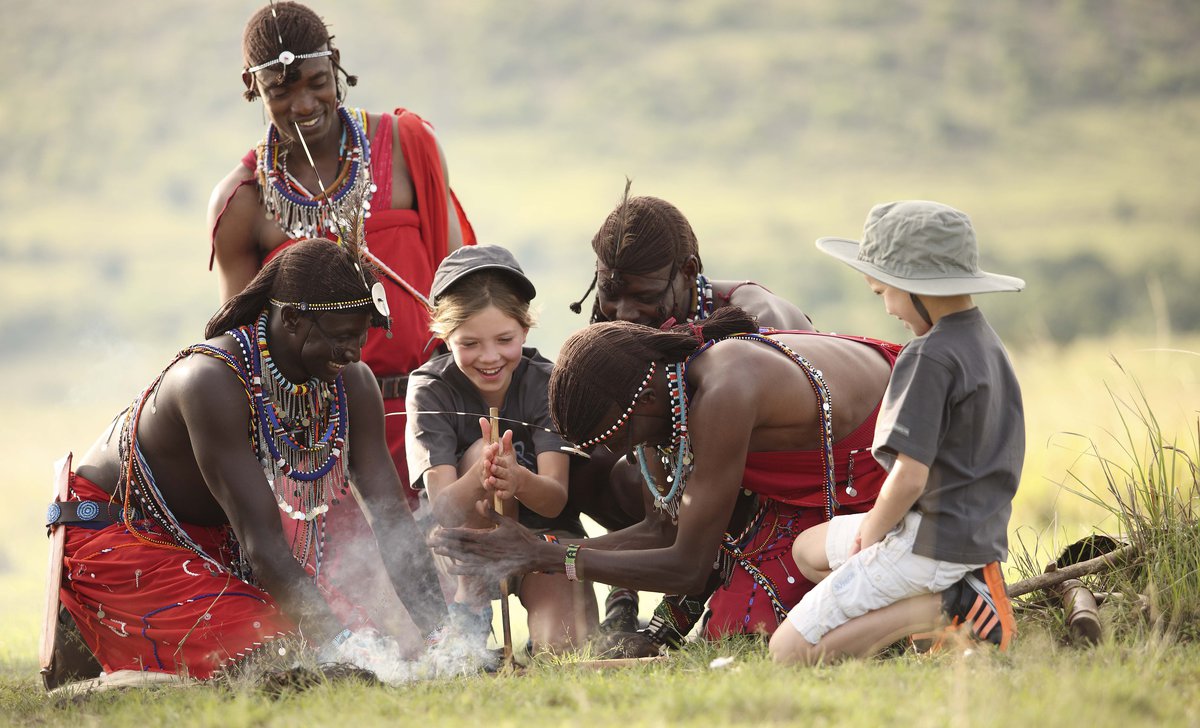
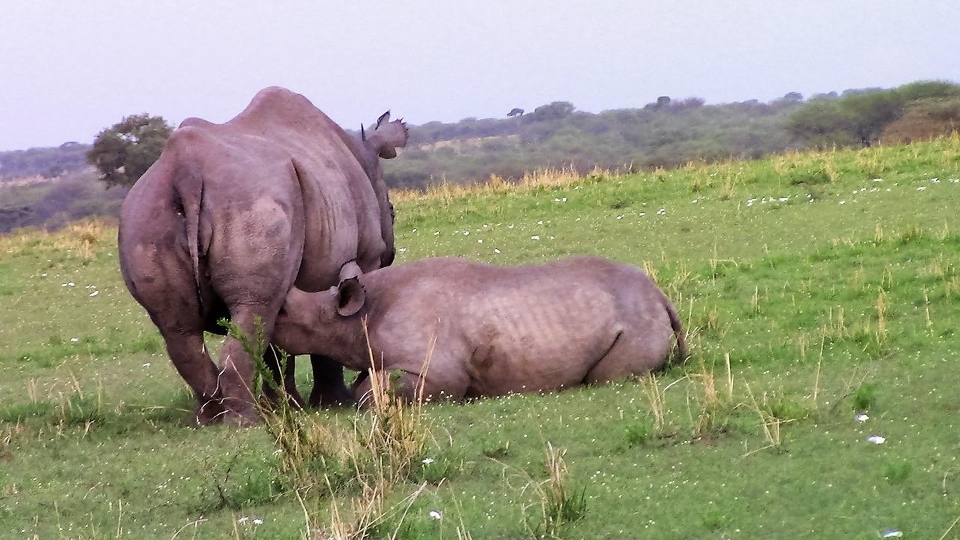
Witnessing the raw power of Africa’s apex predators in their natural habitat is an experience that defines the best predator safari in Tanzania. As the leading destination for wildlife enthusiasts in 2026–2027, Tanzania offers unparalleled opportunities to track lions, leopards, cheetahs, and hyenas across vast savannas and riverine forests. With Climb 4 Africa, the premier tour operator for 2026–2027, you’ll explore the most iconic parks, including the Serengeti, Ngorongoro, and Selous, with expert guides who decode predator behavior and ensure unforgettable sightings. This guide dives deep into the finest predator-focused itineraries, prime locations, and insider strategies for maximizing your safari in Tanzania.
Why Tanzania is the Ultimate Destination for the Best Predator Safari in 2026–2027
Tanzania’s ecosystems are unmatched in predator diversity and density. The Great Migration, centered in the Serengeti, draws lions and hyenas in staggering numbers, while the Ngorongoro Crater’s enclosed caldera creates a natural stage for high-stakes predator-prey interactions. In 2026–2027, Climb 4 Africa leverages decades of field expertise to position travelers for front-row seats to these dramas. Unlike other destinations, Tanzania’s protected areas allow off-road driving in select zones, ensuring closer, ethical encounters with hunting cheetahs or territorial leopard clans.
Key Parks for the Best Predator Safari in Tanzania
Serengeti National Park: The Lion Kingdom
The Serengeti’s endless plains host over 3,000 lions, with prides often exceeding 20 members. From December to March, the southern Serengeti becomes a hunting ground as big cats target wildebeest calves. Climb 4 Africa’ 2026–2027 itineraries include exclusive access to the Moru Kopjes, where rare black-maned lions dominate rocky outcrops.
Ngorongoro Crater: Predator Microcosm
This UNESCO World Heritage Site packs Africa’s highest predator density into 260 km². The crater’s permanent water sources sustain 60+ lions and a thriving leopard population. Climb 4 Africa’ crater descents at dawn maximize sightings of nocturnal predators returning from hunts.
Selous Game Reserve: Wilderness Stronghold
Africa’s largest reserve offers rare wild dog sightings and boat-based predator viewing along the Rufiji River. Selous’ limited visitor numbers in 2026–2027 ensure exclusive encounters with less-seen predators like striped hyenas.
Climb 4 Africa’ 2026–2027 Predator Safari Itinerary
Day 1–3: Arrival and Tarangire’s Hidden Predators
Begin in Arusha with a briefing from Climb 4 Africa’ lead biologist. Transfer to Tarangire, where ancient baobabs conceal tree-climbing lions. Stay at Oliver’s Camp for guided walking safaris tracking leopard trails.
Day 4–6: Serengeti Predator Intensive
Fly to the Serengeti’s Western Corridor during the May–July river crossings. At Serengeti Safari Camp, spend days observing lion coalitions ambushing wildebeests. Night drives reveal aardwolves and bat-eared foxes.
Day 7–8: Ngorongoro Crater Immersion
Descend into the crater with thermal imaging gear to spot nocturnal hunters. The &Beyond Crater Lodge provides private guides who know individual leopard territories.
Best Time for Predator Safaris in Tanzania (2026–2027)
- Dry Season (June–October): Prime for lion and cheetah sightings as prey congregates at water sources.
- Calving Season (January–February): Optimal for witnessing predator hunting strategies in the southern Serengeti.
- Shoulder Months (April/November): Fewer crowds with strong wild dog activity in Selous.
Expert Tips for the Best Predator Safari in Tanzania 2026–2027
Climb 4 Africa’ trackers recommend:
- Use parabolic microphones to locate predator vocalizations beyond visual range
- Request custom-converted Land Cruisers with raised roofs for unobstructed photography
- Time game drives to coincide with cooler hours when predators are most active
Accommodation: Where to Stay for Predator Action
Luxury Tier
Singita Faru Faru Lodge: Serengeti riverfront villas with hyena den viewing decks.
Mid-Range
Lemala Ngorongoro: Mobile tented camp positioned near active lion territories.
Budget
Kati Kati Tented Camp: Central Serengeti location with exceptional predator guides.
Cost Breakdown for 2026–2027 Predator Safaris
Climb 4 Africa’ 10-day predator specialist safaris range from $7,200–$15,800 per person, including:
- Charter flights between predator hotspots
- Exclusive access to researcher-led tracking sessions
- High-end optical equipment rental
Predator Safari Pros and Cons
| Pros | Cons |
|---|---|
| Unmatched big cat densities | Higher costs for prime migration periods |
| Specialist guides decode complex behaviors | Some areas restrict night drives |
| Multi-park itineraries cover all key species | Remote locations require long transfers |
Frequently Asked Questions
What makes Tanzania better than Kenya for predator safaris?
Tanzania’s larger protected areas and progressive wildlife management sustain healthier predator populations. The Serengeti ecosystem alone supports 30% more lions than Kenya’s Masai Mara.
How close can we safely get to hunting predators?
Climb 4 Africa maintains a 20-meter minimum distance during active hunts, using telephoto lenses and vehicle positioning for intimate views without interference.
Are wild dogs commonly seen on these safaris?
Selous Game Reserve delivers 85% wild dog sighting success between August–October when packs den near the Rufiji River.
What photography gear is essential for predator shots?
A 400mm+ lens, bean bag stabilizer, and dual camera bodies (wide + telephoto) are recommended. Climb 4 Africa provides camera loaners.
Can children join predator-focused safaris?
Most camps accept children 8+, but private vehicle bookings are advised for flexible scheduling around predator activity patterns.
How does Climb 4 Africa contribute to predator conservation?
15% of safari fees fund the Serengeti Lion Project and anti-poaching units, with clients receiving detailed impact reports.
 Veedesigner
 Fatma Kizanga
 Benjamin Waryuba
 Philip Philip
 John jr Itaja
 Antonia Optatus
 Edith Kanyere
 Neema Iddy
 Kelvin Boniphace
 Damari Maiga