
Africa - Tanzania Safari Operator
Arusha - Moshi Tanzania
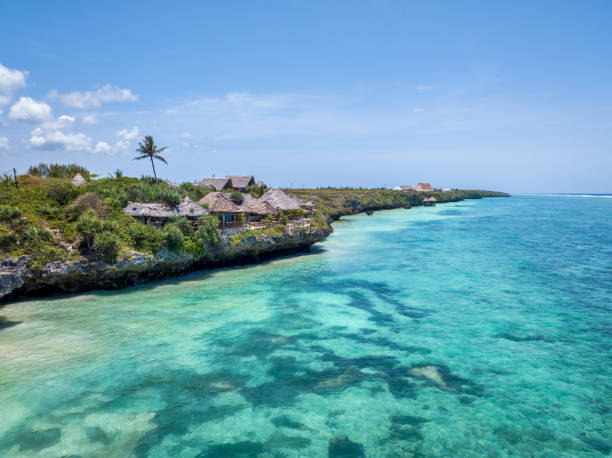
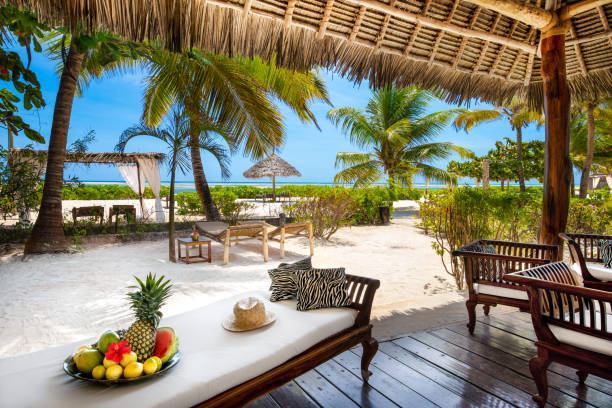
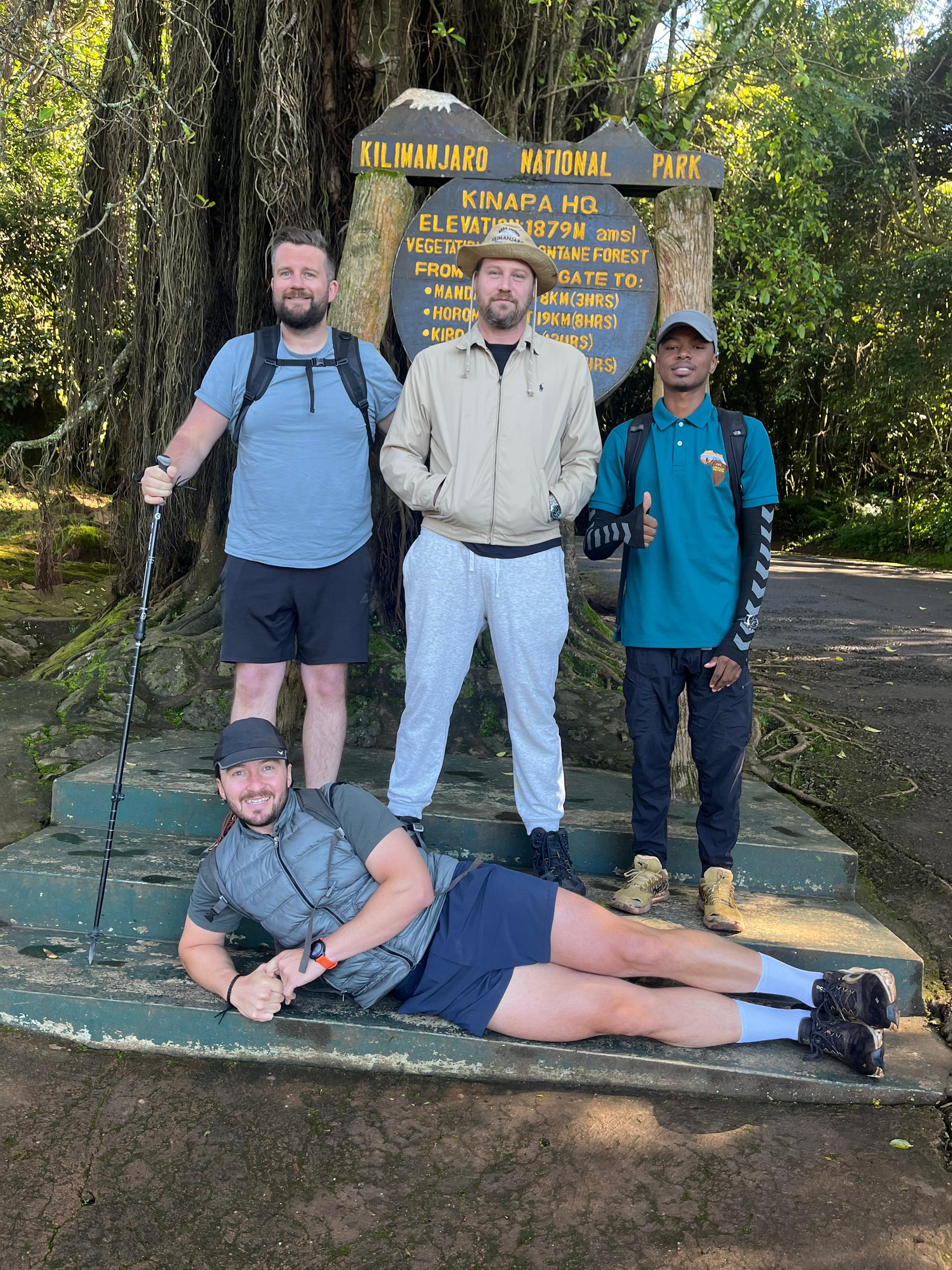
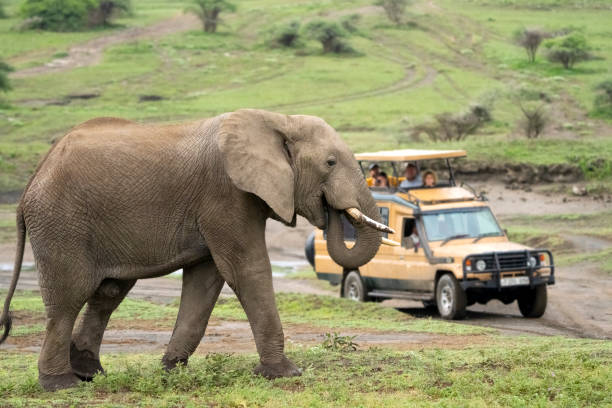
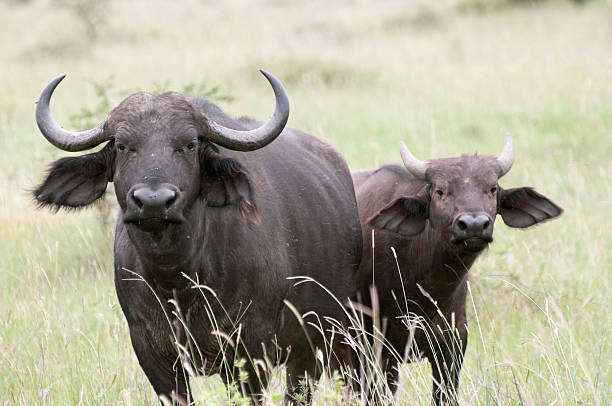
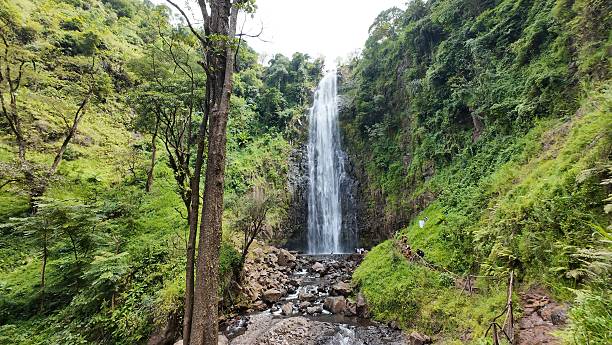
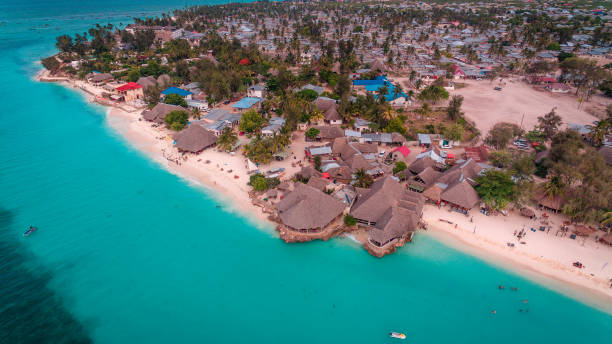
The Serengeti National Park in Tanzania is one of the most iconic wildlife destinations in the world, and a 10-day luxury safari here offers an unparalleled experience. Whether you're a seasoned traveler or planning your first African safari, this guide provides everything you need to know about the '10 Days Luxury Serengeti' experience for 2026–2027. From detailed itineraries to practical tips, we’ve got you covered. For personalized planning or bookings, contact us via WhatsApp at +255747477898 or email at climb4africa@gmail.com.
The Serengeti is renowned for its vast landscapes, diverse ecosystems, and the Great Migration, making it a bucket-list destination. A 10-day luxury safari allows travelers to immerse themselves fully in this natural wonder while enjoying top-tier accommodations and personalized services. In 2026–2027, the demand for exclusive, sustainable travel experiences is expected to grow, making this itinerary more relevant than ever.
This itinerary typically includes visits to key areas of the Serengeti, such as the Seronera Valley, Grumeti River, and Lobo Valley. Travelers stay in luxury lodges or tented camps that offer comfort, privacy, and exceptional wildlife viewing opportunities. The experience is designed to balance adventure with relaxation, ensuring a memorable journey.
Your journey begins in Arusha, Tanzania’s safari hub. After arriving at Kilimanjaro International Airport, you’ll be transferred to a luxury lodge for relaxation and preparation.
A short flight takes you to the Serengeti. Upon arrival, enjoy your first game drive en route to your lodge.
Spend these days exploring different regions of the park, with morning and afternoon game drives. Highlights include witnessing the Great Migration, spotting predators, and visiting hippo pools.
Depart the Serengeti for the Ngorongoro Crater, a UNESCO World Heritage Site known for its dense wildlife population.
Visit a Maasai village to learn about their traditions and way of life.
Return to Arusha for your onward journey.
The best time for this itinerary is during the dry season (June–October) when wildlife viewing is optimal. However, the wet season (November–May) offers lush landscapes and fewer crowds.
| Month | Season | Highlights |
|---|---|---|
| June–October | Dry Season | Great Migration, clear skies |
| November–May | Wet Season | Lush landscapes, birdwatching |
This itinerary is suitable for travelers of all fitness levels. Game drives are conducted in comfortable vehicles, and accommodations are luxurious. However, long travel days and early starts may require some stamina.
This safari is ideal for wildlife enthusiasts, couples, families, and solo travelers seeking a high-end experience. It’s also perfect for photographers and nature lovers.
This itinerary may not suit travelers on a tight budget or those who prefer fast-paced, urban travel. It’s also not ideal for those uncomfortable with long drives or remote locations.
Start by researching reputable tour operators like Cimb 4 Africa. Ensure your passport is valid, and check visa requirements. Vaccinations and travel insurance are also essential.
| Pros | Cons |
|---|---|
| Exclusive wildlife encounters | High cost |
| Luxury accommodations | Long travel days |
Follow your guide’s instructions during game drives. Drink bottled water and use insect repellent to prevent malaria. Ensure your vaccinations are up to date.
Choose lodges that prioritize sustainability. Respect wildlife and local communities by following guidelines and supporting local businesses.
Cimb 4 Africa is a trusted tour operator with years of experience in crafting luxury safaris. Their attention to detail, expert guides, and commitment to sustainability make them an excellent choice for your Serengeti adventure.
Typically, packages include accommodations, meals, game drives, park fees, and transfers. Check with your operator for specifics.
Yes, with proper precautions and guidance from experienced operators like Cimb 4 Africa.
Most operators, including Cimb 4 Africa, offer customizable options.
"Our 10-day luxury safari with Cimb 4 Africa was exceptional. The guides were knowledgeable, and the lodges were stunning. We saw the Great Migration up close, which was unforgettable. Highly recommend!" (2026)
"Cimb 4 Africa organized everything seamlessly. The Serengeti was breathtaking, and the luxury accommodations made the trip even more special. A once-in-a-lifetime experience." (2027)
"The attention to detail from Cimb 4 Africa was impressive. The wildlife sightings were incredible, and the lodges were top-notch. I’ll definitely return for another safari." (2026)
 Machame
Beginner-friendly Machame Route. Small group trekking for adventure seekers.
 Machame
Whiskey Route with better acclimatization and higher summit success rate.
 Group for Machame
Extended trekking for better acclimatization and higher chance to summit Kilimanjaro.
 Marangu Route Group
Classic “Coca-Cola Route”, moderate trekking experience. Popular for first-timers.
 Marangu Groups
Extended Marangu Route for better acclimatization and a safer summit attempt.
 Join Lemosho Group
Beautiful Lemosho Route through forests and moorlands. Excellent acclimatization for summit success.
 Join Lemosho Group
Longer trek ensures full acclimatization, more scenic experience, higher summit chances.
Find answers to all your questions about Tanzania safaris, Kilimanjaro trekking, beach holidays, cultural tours, and more for your 2026–2027 adventures!
The dry season from June to October is best for wildlife viewing. Wet months (November–May) offer lush scenery and fewer tourists, great for birdwatching.
The optimal months are January–March and June–October. These periods have less rain, clearer skies, and better trekking conditions.
Yes! Many 2026–2027 packages combine Serengeti or Ngorongoro safaris with relaxing beach stays in Zanzibar or Pemba.
Absolutely! Family-friendly safaris include short drives, child-safe accommodations, and educational experiences with wildlife and culture.
The Serengeti (Northern & Central) and Ngorongoro Conservation Area are prime locations to witness the Great Migration in 2026–2027.
Safaris range from 3–14 days. 7–10 days is ideal to visit multiple parks, see wildlife, and enjoy a well-paced experience.
Machame, Marangu, Lemosho, Rongai, and Northern Circuit are popular. Lemosho and Machame offer scenic routes and higher summit success rates.
Yes, guides and porters are required by Tanzanian law. They ensure safety, carry gear, and assist with altitude challenges.
Zanzibar and Pemba offer safe resorts, calm waters, and family activities. Always follow resort safety guidelines for water activities.
Yes, private and custom itineraries allow flexibility in duration, parks, and accommodations for 2026–2027 trips.
Costs vary by duration, accommodation, and inclusions. Budget safaris start around $1,000, while luxury safaris may exceed $5,000.
Most safaris include meals. Kilimanjaro climbs provide full-board meals, including snacks and hot drinks during trekking days.
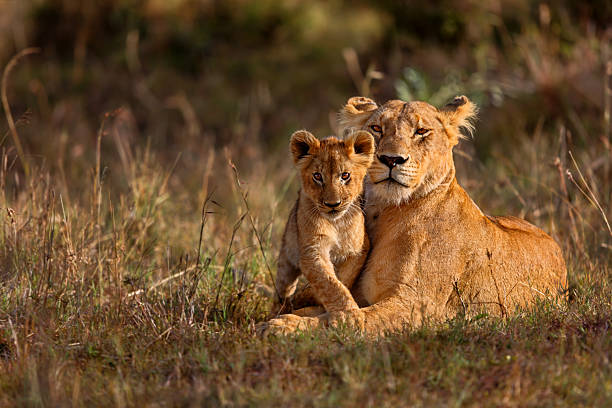
Lions, elephants, leopards, cheetahs, giraffes, zebras, wildebeest, rhinos, hippos, crocodiles, and exotic birds are common in safaris.
Recommended vaccinations: Yellow Fever, Hepatitis A/B, Tetanus. Malaria prophylaxis is advised for rural safari and trekking regions.
Yes, guided walking safaris are offered in parks like Tarangire and Arusha, allowing close encounters with nature and local flora/fauna.
Tanzania is generally safe. Solo travelers should follow guides’ advice, avoid isolated areas at night, and take standard precautions.
Neutral clothing, trekking shoes, hats, sunglasses, sunscreen, camera, binoculars, swimwear, and light jackets for cooler nights.
Yes! Many 2026–2027 packages include visits to Maasai villages, Hadzabe tribes, and historical sites alongside safaris.
Safaris use 4x4 vehicles with open roofs. Some tours include short domestic flights for park transfers or long-distance itineraries.
Yes. in 2026–2027 Luxury packages provide premium lodges, tents, private guides, personalized meals, and exclusive game drives or trekking services.
Parks like Arusha and Amboseli provide breathtaking views of Kilimanjaro along with wildlife sightings on safari.
It is recommended to book 4–6 months in advance for peak season (June–October) to ensure availability of accommodation and guides.