
Africa - Tanzania Safari Operator
Arusha - Moshi Tanzania
Planning a 3 Days Mount Meru Climb Itinerary & Cost Tanzania adventure for 2026–2027? Mount Meru (4,566 m) is Tanzania’s second-highest peak and a spectacular warm‑up for Kilimanjaro. This in‑depth guide covers everything: day‑by‑day route details, pricing and inclusions, best time to climb, gear, fitness, safety, and how to choose the right tour operator for your Mount Meru climb in 2026 and 2027.
Below you’ll find a complete, SEO‑optimized and user‑friendly breakdown of the 3 days Mount Meru climb itinerary and cost in Tanzania, designed to help you compare options, budget accurately, and feel fully prepared for your trek.
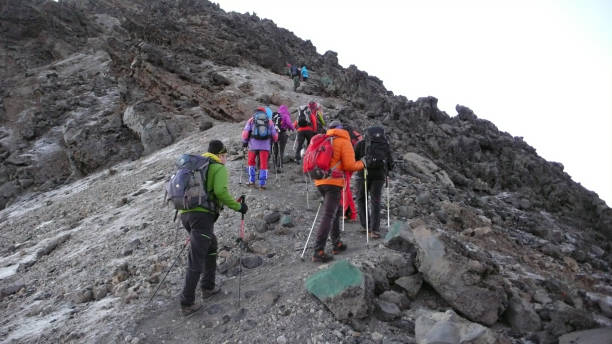
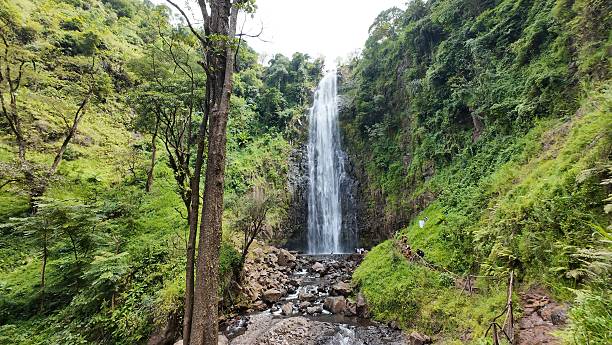
A 3 days Mount Meru climb is the fastest way to stand on the dramatic summit of this spectacular volcano. You’ll trek through lush rainforest, cross open heathland, and traverse a narrow crater ridge with panoramic views of Kilimanjaro. Unlike Kilimanjaro, the 3 Days Mount Meru Climb Itinerary & Cost Tanzania package uses huts instead of tents, which makes logistics simpler and often more affordable.
The 3-day version is best for experienced hikers or acclimatized trekkers in 2026–2027 who are short on time but still want a high‑altitude challenge. If you are new to trekking or more sensitive to altitude, many operators will recommend a 4-day Mount Meru climb for better acclimatization.
The 3 days Mount Meru climb itinerary in Tanzania follows the Momella Route and uses two main huts: Miriakamba and Saddle. The schedule below reflects a typical high‑quality guided itinerary in 2026–2027.
| Day | Route & Elevation | Distance / Time | Highlights |
|---|---|---|---|
| Day 1 | Arusha (≈1,400 m) → Momella Gate (1,500 m) → Miriakamba Hut (2,500 m) | 10–14 km / 4–6 hours | Rainforest, waterfalls, wildlife, views of Meru crater |
| Day 2 | Miriakamba Hut (2,500 m) → Saddle Hut (3,570 m) + Little Meru (3,820 m) | 4–7 km / 3–5 hours + 1–2 hours acclimatization | Heath & moorland, acclimatization hike, sunset views |
| Day 3 | Saddle Hut (3,570 m) → Socialist Peak (4,566 m) → Momella Gate (1,500 m) | 18–24 km / 10–14 hours (summit & full descent) | Night summit push, crater rim, Kilimanjaro sunrise, long descent |
Key facts: 10–14 km | 4–6 hours | ↑ ~1,000 m gain
Key facts: 4–7 km | 3–5 hours to Saddle Hut + 1–2 hours acclimatization hike
Key facts: 18–24 km total | 10–14 hours | ↑ ~1,000 m, then ↓ ~2,000 m
Because this 3 days Mount Meru climb itinerary combines summit day and full descent on the same day, it is long and physically demanding. When planning a 3 Days Mount Meru Climb Itinerary & Cost Tanzania package for 2026–2027, discuss your fitness level honestly with your operator to decide whether the 3‑day or 4‑day version is better for you.
The 3 Days Mount Meru Climb Itinerary & Cost Tanzania varies depending on group size, service level, and whether you start from Arusha or Moshi. Below is a realistic cost range for reputable mid‑range operators in 2026–2027. Exact prices will depend on park fee adjustments and foreign exchange rates published by Tanzanian authorities each year.
| Group Size | Typical Cost per Person (3 Days) | What to Expect |
|---|---|---|
| Private solo climber | US$900 – US$1,250 (2026–2027) | Personalized guiding, flexible pace, higher fixed park fees per person |
| 2–4 climbers | US$650 – US$900 per person | Most popular option, good value vs. comfort ratio |
| 5–8+ climbers | US$550 – US$750 per person | Best price per person, suitable for friends/family/groups |
These example prices for the 3 days Mount Meru climb itinerary and cost in Tanzania are based on standard huts, quality meals, licensed guides, porters, and all park fees for 2026–2027. Very low advertised prices often mean compromises on safety, staff welfare, or hidden add‑ons, so compare carefully.
When comparing 3 Days Mount Meru Climb Itinerary & Cost Tanzania offers for 2026–2027, always request a clear written list of inclusions and exclusions so you can budget accurately.
You can climb Mount Meru year‑round, but the best conditions for a 3 days Mount Meru climb are during the dry seasons, when trails are less muddy and summit views are clearer.
| Season | Months (2026–2027) | Conditions for 3‑Day Climb |
|---|---|---|
| Main dry season | June – October | Best: stable weather, cooler temps, excellent summit views |
| Short dry season | January – early March | Also very good: slightly warmer, some afternoon clouds |
| Long rains | April – May | Wet, muddy; some operators suspend climbs |
| Short rains | November – December | Possible but more changeable; lighter crowds |
For the most reliable conditions during the 2026–2027 seasons, plan your 3 Days Mount Meru Climb Itinerary & Cost Tanzania around June–October or January–early March.
The 3 days Mount Meru climb itinerary is considered moderate to challenging. The main challenge is summit day: a steep night ascent followed by a long descent to the gate. This can be tough even for fit hikers, especially at altitude.
If you are not fully confident about your fitness or prior altitude experience for 2026–2027, consider:
Even though Mount Meru is shorter than Kilimanjaro, summit temperatures can drop below freezing. A well‑chosen gear list is essential for comfort and safety on your 3 days Mount Meru climb in Tanzania.
Many reputable operators offering 3 Days Mount Meru Climb Itinerary & Cost Tanzania packages in 2026–2027 also provide gear rental (sleeping bags, poles, duffels). Request a rental price list during booking if needed.
Unlike many Kilimanjaro routes, the 3 days Mount Meru climb itinerary uses comfortable mountain huts instead of tents, which can be a major advantage in 2026–2027 if you prefer solid shelter and simple logistics.
You still need a good sleeping bag and warm layers, but huts reduce weight for porters and can enhance comfort compared to camping, especially during the shoulder or rainy periods of the 2026–2027 Mount Meru climbing seasons.
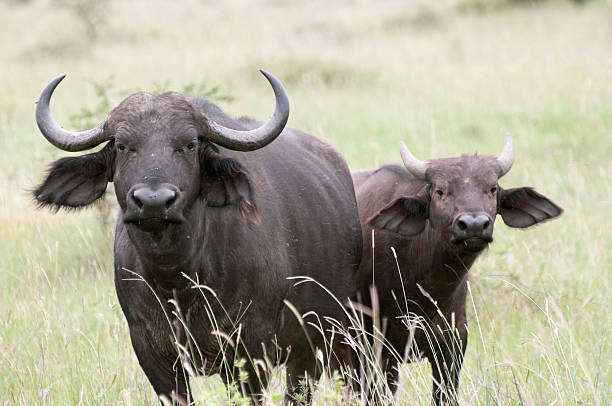
Safety is central to any high‑quality 3 Days Mount Meru Climb Itinerary & Cost Tanzania package. Mount Meru sits inside Arusha National Park and is home to buffalo, elephants, giraffes, and other wildlife, which is why a park ranger is mandatory.
During 2026–2027, ensure your chosen operator follows current Tanzanian National Parks (TANAPA) guidelines and maintains strong safety standards on all 3 days Mount Meru climb departures.
Mount Meru is often overshadowed by Kilimanjaro, but many trekkers rate it as one of the most beautiful climbs in East Africa. For 2026–2027, a 3 Days Mount Meru Climb Itinerary & Cost Tanzania package offers several distinct advantages:
Your choice of operator will impact the safety, comfort, and real cost of your 3 Days Mount Meru Climb Itinerary & Cost Tanzania experience. When researching options for 2026–2027, look for:
Request a written sample itinerary, up‑to‑date 2026–2027 cost sheet, and terms & conditions before making any payment.
Below is an example of how a well‑organized 3 Days Mount Meru Climb Itinerary & Cost Tanzania package could look for 2026–2027. Adjustments can be made based on your arrival and departure flights.
| Day | Program | Overnight |
|---|---|---|
| Day 0 (Optional) | Arrival in Arusha or Moshi, transfer to hotel, pre‑climb briefing & gear check | Hotel in Arusha / Moshi |
| Day 1 | Arusha – Momella Gate – Miriakamba Hut (forest hike, wildlife, crater views) | Miriakamba Hut |
| Day 2 | Miriakamba Hut – Saddle Hut + acclimatization hike to Little Meru | Saddle Hut |
| Day 3 | Midnight summit push to Socialist Peak – full descent to Momella Gate – transfer to Arusha/Moshi | End of climb (hotel on request) |
For a mid‑range 3 days Mount Meru climb in Tanzania in 2026–2027, expect total package costs (excluding international flights) from US$550–US$1,250 per person, depending on group size and comfort level.
Yes, experienced and fit hikers often complete the 3 days Mount Meru climb itinerary successfully. However, a 4‑day itinerary offers better acclimatization and a more relaxed pace. If you are unsure, ask your operator to compare both options and costs for 2026–2027.
For 2026–2027, expect approximately US$550–US$1,250 per person for a quality 3 days Mount Meru climb package, depending on group size and service level. This usually includes park fees, huts, meals, guides, ranger, and transfers, but excludes international flights, visas, and tips.
Prior mountain or multi‑day trekking experience is strongly recommended, particularly for the 3‑day option. The long summit day is demanding. If you are a beginner planning for 2026–2027, consider a 4‑day Mount Meru route or shorter preparatory hikes before tackling the 3 days Mount Meru climb itinerary in Tanzania.
Mount Meru is considered safe when climbed with a reputable operator, licensed guides, and the required park ranger. Trails are well‑marked and maintained. The main risks are altitude sickness, slips on steep sections, and weather changes; all can be managed with proper guidance and pacing.
Yes. Many climbers in 2026–2027 use a 3 days Mount Meru climb itinerary to acclimatize before attempting Kilimanjaro. A common schedule is 3–4 days on Mount Meru, one rest day in Arusha or Moshi, then a 6–8 day Kilimanjaro route.
A 3 Days Mount Meru Climb Itinerary & Cost Tanzania package is a superb choice if you want a high‑altitude African summit, dramatic crater scenery, and a shorter schedule than Kilimanjaro. With huts instead of tents, excellent wildlife, and unforgettable views of Kilimanjaro at sunrise, Mount Meru is one of East Africa’s most rewarding treks.
When planning for 2026–2027, confirm up‑to‑date park fees, request a detailed daily program, and choose a licensed, safety‑focused operator. With the right preparation and support team, your 3 days Mount Meru climb in Tanzania can become a highlight of your African adventure.
 Machame
Beginner-friendly Machame Route. Small group trekking for adventure seekers.
 Machame
Whiskey Route with better acclimatization and higher summit success rate.
 Group for Machame
Extended trekking for better acclimatization and higher chance to summit Kilimanjaro.
 Marangu Route Group
Classic “Coca-Cola Route”, moderate trekking experience. Popular for first-timers.
 Marangu Groups
Extended Marangu Route for better acclimatization and a safer summit attempt.
 Join Lemosho Group
Beautiful Lemosho Route through forests and moorlands. Excellent acclimatization for summit success.
 Join Lemosho Group
Longer trek ensures full acclimatization, more scenic experience, higher summit chances.
Find answers to all your questions about Tanzania safaris, Kilimanjaro trekking, beach holidays, cultural tours, and more for your 2026–2027 adventures!
The dry season from June to October is best for wildlife viewing. Wet months (November–May) offer lush scenery and fewer tourists, great for birdwatching.
The optimal months are January–March and June–October. These periods have less rain, clearer skies, and better trekking conditions.
Yes! Many 2026–2027 packages combine Serengeti or Ngorongoro safaris with relaxing beach stays in Zanzibar or Pemba.
Absolutely! Family-friendly safaris include short drives, child-safe accommodations, and educational experiences with wildlife and culture.
The Serengeti (Northern & Central) and Ngorongoro Conservation Area are prime locations to witness the Great Migration in 2026–2027.
Safaris range from 3–14 days. 7–10 days is ideal to visit multiple parks, see wildlife, and enjoy a well-paced experience.
Machame, Marangu, Lemosho, Rongai, and Northern Circuit are popular. Lemosho and Machame offer scenic routes and higher summit success rates.
Yes, guides and porters are required by Tanzanian law. They ensure safety, carry gear, and assist with altitude challenges.
Zanzibar and Pemba offer safe resorts, calm waters, and family activities. Always follow resort safety guidelines for water activities.
Yes, private and custom itineraries allow flexibility in duration, parks, and accommodations for 2026–2027 trips.
Costs vary by duration, accommodation, and inclusions. Budget safaris start around $1,000, while luxury safaris may exceed $5,000.
Most safaris include meals. Kilimanjaro climbs provide full-board meals, including snacks and hot drinks during trekking days.
Lions, elephants, leopards, cheetahs, giraffes, zebras, wildebeest, rhinos, hippos, crocodiles, and exotic birds are common in safaris.
Recommended vaccinations: Yellow Fever, Hepatitis A/B, Tetanus. Malaria prophylaxis is advised for rural safari and trekking regions.
Yes, guided walking safaris are offered in parks like Tarangire and Arusha, allowing close encounters with nature and local flora/fauna.
Tanzania is generally safe. Solo travelers should follow guides’ advice, avoid isolated areas at night, and take standard precautions.
Neutral clothing, trekking shoes, hats, sunglasses, sunscreen, camera, binoculars, swimwear, and light jackets for cooler nights.
Yes! Many 2026–2027 packages include visits to Maasai villages, Hadzabe tribes, and historical sites alongside safaris.
Safaris use 4x4 vehicles with open roofs. Some tours include short domestic flights for park transfers or long-distance itineraries.
Yes. in 2026–2027 Luxury packages provide premium lodges, tents, private guides, personalized meals, and exclusive game drives or trekking services.
Parks like Arusha and Amboseli provide breathtaking views of Kilimanjaro along with wildlife sightings on safari.
It is recommended to book 4–6 months in advance for peak season (June–October) to ensure availability of accommodation and guides.