
Africa - Tanzania Safari Operator
Arusha - Moshi Tanzania
China, a land of ancient traditions and modern marvels, offers some of the world’s most fascinating cultural and historical sites. From the Great Wall to the Terracotta Army, these destinations provide a window into China’s rich heritage and enduring legacy. As global travel evolves in 2026–2027, exploring these sites promises to be an enriching experience. Whether you’re a history enthusiast, a cultural explorer, or simply seeking to immerse yourself in China’s storied past, this guide will help you discover the best places to visit. For personalized travel plans, contact Climb 4 Africa via WhatsApp +255747477898 or email climb4africa@gmail.com.
China’s cultural and historical sites are not just national treasures but global landmarks that attract millions of visitors annually. In 2026–2027, these sites will continue to play a pivotal role in global tourism, offering unique insights into human history and cultural evolution. Their preservation and accessibility make them must-visit destinations for travelers worldwide.
China’s cultural and historical sites span thousands of years, showcasing the country’s dynastic past, architectural ingenuity, and artistic achievements. Key sites include the Great Wall, the Forbidden City, the Terracotta Army, and the Mogao Caves. Each site offers a distinct narrative, contributing to a comprehensive understanding of China’s heritage.
Stretching over 13,000 miles, the Great Wall is one of the world’s most iconic structures. Built to protect against invasions, it symbolizes China’s historical resilience and engineering prowess. Popular sections like Badaling and Mutianyu offer accessible routes for visitors.
Located in Beijing, the Forbidden City served as the imperial palace for 24 emperors during the Ming and Qing dynasties. Its intricate architecture and vast collection of artifacts provide a glimpse into China’s royal history.
Discovered in 1974, the Terracotta Army in Xi’an is a stunning archaeological find. Thousands of life-sized soldiers, horses, and chariots were buried with Emperor Qin Shi Huang to protect him in the afterlife.
Also known as the Thousand Buddha Grottoes, the Mogao Caves in Dunhuang house some of the finest examples of Buddhist art. The caves feature murals, sculptures, and manuscripts dating back to the 4th century.
The best time to visit China’s cultural and historical sites depends on weather, crowds, and personal preferences. Spring (March to May) and autumn (September to November) are ideal for pleasant weather and fewer tourists. Summer can be crowded and hot, while winter offers fewer crowds but colder temperatures.
Spring: Mild temperatures, blooming flowers, and fewer crowds. Summer: Peak tourist season with hot weather. Autumn: Cool weather, vibrant foliage, and moderate crowds. Winter: Cold weather but fewer tourists and festive decorations.
Visiting China’s cultural and historical sites varies in difficulty. Sites like the Great Wall require moderate physical exertion, especially on steep sections. The Forbidden City and Terracotta Army involve more walking but are generally accessible. Proper planning and comfortable footwear are essential.
These sites are ideal for history buffs, cultural enthusiasts, photographers, and families seeking educational experiences. They cater to travelers of all ages, provided they are prepared for moderate physical activity.
Travelers with mobility issues or those who prefer low-impact activities may find some sites challenging. Additionally, those who dislike crowded tourist spots should avoid peak seasons.
1. Book tickets online in advance to avoid long queues. 2. Visit early in the morning or late afternoon to avoid crowds. 3. Hire a local guide for deeper insights into the history and culture. 4. Wear comfortable shoes and carry water, especially for outdoor sites. 5. Respect local customs and regulations at religious sites.
Plan your itinerary based on your interests and the time available. Research visa requirements, local transportation, and accommodation options. Consider booking through Climb 4 Africa for seamless travel arrangements.
1. Comfortable walking shoes 2. Weather-appropriate clothing 3. Sunscreen and hat for outdoor sites 4. Reusable water bottle 5. Camera or smartphone for photos 6. Travel adapter for electronic devices 7. Light backpack for daily essentials
Pros: - Rich cultural and historical significance - Unique architectural and artistic achievements - Educational and enriching experiences Cons: - Crowded during peak seasons - Moderate physical exertion required - Potential language barriers
Stay hydrated, especially during summer. Be cautious of uneven terrain at historical sites. Follow local health guidelines and carry necessary medications. Travel insurance is recommended for emergencies.
Respect local customs and traditions. Avoid touching or damaging historical artifacts. Support local businesses and eco-friendly practices. Dispose of waste responsibly and minimize your environmental impact.
Climb 4 Africa specializes in creating personalized travel experiences that cater to your interests and preferences. With years of expertise, we ensure seamless logistics, knowledgeable guides, and unforgettable journeys. Trust us to make your visit to China’s cultural and historical sites truly memorable.
The Great Wall, Forbidden City, Terracotta Army, and Mogao Caves are among the top cultural and historical sites in China.
Spring (March to May) and autumn (September to November) are ideal for pleasant weather and fewer crowds.
Visit early in the morning or late afternoon, and avoid peak tourist seasons like summer and national holidays.
Some sites, like the Great Wall, may be challenging, but others, like the Forbidden City, offer more accessible routes.
Comfortable walking shoes, weather-appropriate clothing, sunscreen, and a reusable water bottle are essential.
“Climb 4 Africa organized an incredible trip to China’s cultural sites in 2026. The guides were knowledgeable, and the itinerary was well-planned. Highly recommend!”
“Visiting the Terracotta Army with Climb 4 Africa was a dream come true. The experience was seamless, and the guides were exceptional. Thank you!”
“As a local, I was impressed by Climb 4 Africa’s attention to detail and respect for our cultural heritage. A fantastic experience!”
“The Great Wall was breathtaking, and Climb 4 Africa made the trip hassle-free. Highly recommend their services for anyone visiting China.”
“Climb 4 Africa provided an unforgettable journey to China’s historical sites. The guides were friendly, and the accommodations were excellent. Thank you!”
 Machame
Beginner-friendly Machame Route. Small group trekking for adventure seekers.
 Machame
Whiskey Route with better acclimatization and higher summit success rate.
 Group for Machame
Extended trekking for better acclimatization and higher chance to summit Kilimanjaro.
 Marangu Route Group
Classic “Coca-Cola Route”, moderate trekking experience. Popular for first-timers.
 Marangu Groups
Extended Marangu Route for better acclimatization and a safer summit attempt.
 Join Lemosho Group
Beautiful Lemosho Route through forests and moorlands. Excellent acclimatization for summit success.
 Join Lemosho Group
Longer trek ensures full acclimatization, more scenic experience, higher summit chances.
Find answers to all your questions about Tanzania safaris, Kilimanjaro trekking, beach holidays, cultural tours, and more for your 2026–2027 adventures!
The dry season from June to October is best for wildlife viewing. Wet months (November–May) offer lush scenery and fewer tourists, great for birdwatching.
The optimal months are January–March and June–October. These periods have less rain, clearer skies, and better trekking conditions.
Yes! Many 2026–2027 packages combine Serengeti or Ngorongoro safaris with relaxing beach stays in Zanzibar or Pemba.
Absolutely! Family-friendly safaris include short drives, child-safe accommodations, and educational experiences with wildlife and culture.
The Serengeti (Northern & Central) and Ngorongoro Conservation Area are prime locations to witness the Great Migration in 2026–2027.
Safaris range from 3–14 days. 7–10 days is ideal to visit multiple parks, see wildlife, and enjoy a well-paced experience.
Machame, Marangu, Lemosho, Rongai, and Northern Circuit are popular. Lemosho and Machame offer scenic routes and higher summit success rates.
Yes, guides and porters are required by Tanzanian law. They ensure safety, carry gear, and assist with altitude challenges.
Zanzibar and Pemba offer safe resorts, calm waters, and family activities. Always follow resort safety guidelines for water activities.
Yes, private and custom itineraries allow flexibility in duration, parks, and accommodations for 2026–2027 trips.
Costs vary by duration, accommodation, and inclusions. Budget safaris start around $1,000, while luxury safaris may exceed $5,000.
Most safaris include meals. Kilimanjaro climbs provide full-board meals, including snacks and hot drinks during trekking days.
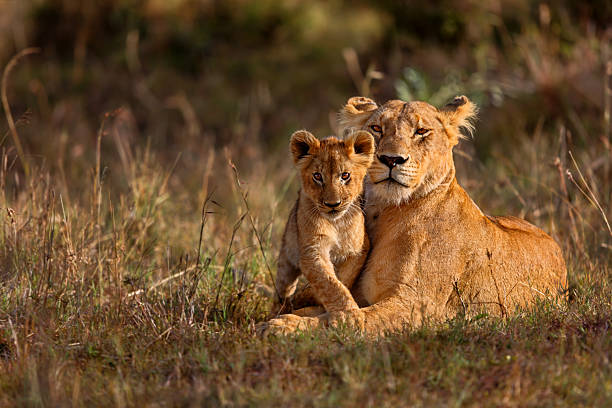
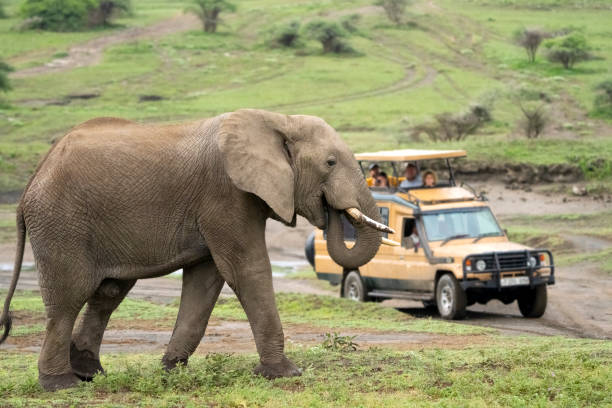
Lions, elephants, leopards, cheetahs, giraffes, zebras, wildebeest, rhinos, hippos, crocodiles, and exotic birds are common in safaris.
Recommended vaccinations: Yellow Fever, Hepatitis A/B, Tetanus. Malaria prophylaxis is advised for rural safari and trekking regions.
Yes, guided walking safaris are offered in parks like Tarangire and Arusha, allowing close encounters with nature and local flora/fauna.
Tanzania is generally safe. Solo travelers should follow guides’ advice, avoid isolated areas at night, and take standard precautions.
Neutral clothing, trekking shoes, hats, sunglasses, sunscreen, camera, binoculars, swimwear, and light jackets for cooler nights.
Yes! Many 2026–2027 packages include visits to Maasai villages, Hadzabe tribes, and historical sites alongside safaris.
Safaris use 4x4 vehicles with open roofs. Some tours include short domestic flights for park transfers or long-distance itineraries.
Yes. in 2026–2027 Luxury packages provide premium lodges, tents, private guides, personalized meals, and exclusive game drives or trekking services.
Parks like Arusha and Amboseli provide breathtaking views of Kilimanjaro along with wildlife sightings on safari.
It is recommended to book 4–6 months in advance for peak season (June–October) to ensure availability of accommodation and guides.