
Africa - Tanzania Safari Operator
Arusha - Moshi Tanzania



Updated for the 2026–2027 season – Practical routes, prices, maps, and insider tips on how to get to Lake Natron from Arusha safely and affordably.
Planning how to get to Lake Natron from Arusha in 2026–2027 can feel confusing if you have never traveled in northern Tanzania before. Roads change, routes vary by season, and local rules are updated frequently. This in-depth guide explains every realistic option, step-by-step, so you can choose the safest, most enjoyable, and best-value way to reach this otherworldly alkaline lake and the base of Ol Doinyo Lengai.
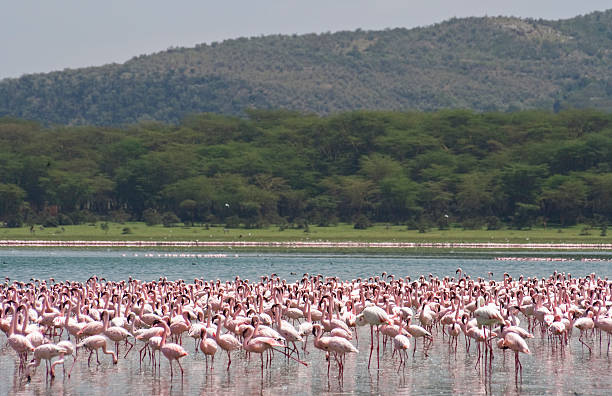
Lake Natron is one of Tanzania’s most dramatic and unique destinations. Lying in the Rift Valley near the Kenyan border, it is famous for:
Most travelers start in Arusha, the main safari hub of northern Tanzania, and then figure out how to get to Lake Natron from Arusha as part of a 2–5 day trip. Understanding current road conditions, travel times, and local regulations is essential for the 2026–2027 travel period.
There is no direct public bus going all the way to Lake Natron. In 2026–2027, the main ways to get to Lake Natron from Arusha are:
The journey from Arusha to Lake Natron typically takes 5–7 hours by road, depending on route, weather, and stops. To optimize your time and safety in 2026–2027, you should leave Arusha early in the morning and avoid driving after dark.
When considering how to get to Lake Natron from Arusha, there are two main overland routes most travelers use in 2026–2027:
This is the most common and generally the easiest route.
Typical route: Arusha → Makuyuni → Mto wa Mbu → Engaruka → Lake Natron
This route makes it easy to combine Lake Natron with Tarangire, Manyara, or even the Ngorongoro Crater during the 2026–2027 safari season.
A more scenic but less commonly used route runs via Longido and the Maasai lands to the east.
Typical route: Arusha → Longido → Engaresero area → Lake Natron
This route is best arranged through a local operator who understands the current 2026–2027 road status and village access requirements.
In 2026–2027, it is strongly recommended to:
Travel times vary according to season:
| Season (2026–2027) | Typical Travel Time | Notes |
|---|---|---|
| Dry Season (Jun–Oct) | 5–6 hours | Fastest and most reliable road conditions. |
| Short Rains (Nov–Dec) | 6–7 hours | Some muddy patches; allow extra time. |
| Green Season (Jan–Mar) | 6–7 hours | Beautiful landscapes but can be bumpy and slow. |
| Long Rains (Apr–May) | 7–8+ hours | Some tracks may be temporarily impassable; check latest info. |
For 2026–2027, a private 4×4 transfer is the most recommended solution for travelers wanting a safe, predictable way to get to Lake Natron from Arusha.
Prices vary by operator and vehicle, but these are realistic, traveler-friendly estimates for a one-way 4×4 transfer from Arusha to Lake Natron:
| Group Size | Vehicle Type | Approx. Price (USD, one-way) | Approx. Price per Person |
|---|---|---|---|
| 1–2 people | Private 4×4 Land Cruiser | $260–$320 | From about $130–$160 |
| 3–4 people | Private 4×4 Safari Jeep | $300–$360 | From about $75–$120 |
| 5–6 people | Extended 4×4 Safari Vehicle | $340–$390 | From about $60–$90 |
These estimates for 2026–2027 exclude park and conservation fees but include driver, fuel, and standard road charges. Round-trip bookings often reduce the price per leg.
Renting a 4×4 and driving yourself is another way to get to Lake Natron from Arusha in 2026–2027. It offers freedom but also greater responsibility.
| Vehicle Type | Daily Rental (USD) | Notes |
|---|---|---|
| 4×4 Toyota RAV4 (basic) | $55–$70 | Not ideal for roughest stretches; use only in dry season. |
| 4×4 Hilux / Prado | $70–$95 | Safer choice for Natron tracks. |
| 4×4 Land Cruiser | $90–$120 | Recommended for comfort and load-bearing. |
If you choose this way to get to Lake Natron from Arusha in 2026–2027, coordinate Arrival times with your accommodation, and share your route and planned arrival time with someone in Arusha for safety.
Many younger travelers and backpackers ask how to get to Lake Natron from Arusha without paying for a fully private vehicle. In 2026–2027, some local operators arrange:
| Service | Approx. Price (USD, one-way) | Details |
|---|---|---|
| Seat in shared 4×4 (Arusha → Natron) | $60–$110 per person | Subject to minimum group size and specific dates. |
| Shared jeep from Mto wa Mbu → Natron | $40–$70 per person | You must reach Mto wa Mbu by bus or shuttle first. |
This can be one of the most budget-friendly ways to get to Lake Natron from Arusha in 2026–2027 while still staying relatively comfortable.
There is no large scheduled airport at Lake Natron itself, but:
| Service | Approx. Price (USD, one-way) | Notes |
|---|---|---|
| Chartered small plane (Arusha → Natron area) | From $220–$320 per person (in full group) | Best value with 6–10 passengers. |
| Arusha → Lake Manyara scheduled flight | $80–$140 per person | Then 4×4 from Manyara to Natron. |
Even when flying part of the way, you still need a vehicle and guide to reach your lodge and to explore Lake Natron safely in 2026–2027.
Strictly speaking, there is no regular public bus that goes all the way to Lake Natron. But if you are asking how to get to Lake Natron from Arusha on a very tight budget in 2026–2027, you can:
| Leg | Approx. Price (USD) | Comments |
|---|---|---|
| Arusha → Mto wa Mbu (bus/minibus) | $4–$7 | 2.5–3.5 hours, crowded but cheap. |
| Mto wa Mbu → Lake Natron (local 4×4/motorbike) | $25–$60 | Negotiated locally; not always available daily. |
This is the lowest-cost way to get to Lake Natron from Arusha, but it is also the least predictable. For safety and reliability in 2026–2027, it is better suited to very experienced independent travelers familiar with East African public transport.
Besides planning how to get to Lake Natron from Arusha, you must include necessary local fees in your 2026–2027 budget. These may be updated periodically, but typical charges include:
Many lodges now bundle these charges into package rates for 2026–2027, but if you self-organize your transport, always confirm:
Understanding seasonal factors will help you decide the best moment in 2026–2027 to get to Lake Natron from Arusha.
When deciding how to get to Lake Natron from Arusha, it helps to plan the entire itinerary, not just the transport.
Your choice of accommodation may influence how you get to Lake Natron from Arusha, because many lodges can help arrange transfers for 2026–2027.
Confirm in advance whether your lodge can arrange a vehicle from Arusha or from Mto wa Mbu at a friendly rate, which can simplify the question of how to get to Lake Natron from Arusha significantly.
Because the area is remote, safety and preparation are central to any plan on how to get to Lake Natron from Arusha.
No matter which way you decide to get to Lake Natron from Arusha, pack for heat, dust, and potential cool nights.
Yes. For the final stretch beyond Mto wa Mbu or Longido, a 4×4 vehicle is strongly recommended in 2026–2027. Smaller cars may struggle with rocks, ruts, and deep dust or mud.
Technically possible, but not recommended. Travel each way takes 5–7 hours. You would spend most of your day in the car and risk driving after dark. At least one night at Lake Natron is highly advisable.
Combining public transport Arusha → Mto wa Mbu with a shared or negotiated 4×4 from there can be the lowest-cost approach in 2026–2027. However, it is less reliable and usually slower. For most travelers, a shared 4×4 seat offers a much better balance of cost and comfort.
Many self-drive travelers successfully get to Lake Natron from Arusha each year. In 2026–2027, safety depends on:
For walks to waterfalls, viewpoints, or flamingo areas, and especially for climbing Ol Doinyo Lengai, a local guide is required or highly recommended. Many activities are controlled by the local community and guides help support the local economy.
To make your planning simple, here is a quick step-by-step overview:
Whether you choose a comfortable private 4×4, a shared budget jeep, or a self-drive adventure, planning how to get to Lake Natron from Arusha in 2026–2027 is all about combining safety, realistic timing, and your preferred level of comfort. With the right preparation, the journey itself becomes one of the most memorable parts of your Lake Natron experience.
 Machame
Beginner-friendly Machame Route. Small group trekking for adventure seekers.
 Machame
Whiskey Route with better acclimatization and higher summit success rate.
 Group for Machame
Extended trekking for better acclimatization and higher chance to summit Kilimanjaro.
 Marangu Route Group
Classic “Coca-Cola Route”, moderate trekking experience. Popular for first-timers.
 Marangu Groups
Extended Marangu Route for better acclimatization and a safer summit attempt.
 Join Lemosho Group
Beautiful Lemosho Route through forests and moorlands. Excellent acclimatization for summit success.
 Join Lemosho Group
Longer trek ensures full acclimatization, more scenic experience, higher summit chances.
Find answers to all your questions about Tanzania safaris, Kilimanjaro trekking, beach holidays, cultural tours, and more for your 2026–2027 adventures!
The dry season from June to October is best for wildlife viewing. Wet months (November–May) offer lush scenery and fewer tourists, great for birdwatching.
The optimal months are January–March and June–October. These periods have less rain, clearer skies, and better trekking conditions.
Yes! Many 2026–2027 packages combine Serengeti or Ngorongoro safaris with relaxing beach stays in Zanzibar or Pemba.
Absolutely! Family-friendly safaris include short drives, child-safe accommodations, and educational experiences with wildlife and culture.
The Serengeti (Northern & Central) and Ngorongoro Conservation Area are prime locations to witness the Great Migration in 2026–2027.
Safaris range from 3–14 days. 7–10 days is ideal to visit multiple parks, see wildlife, and enjoy a well-paced experience.
Machame, Marangu, Lemosho, Rongai, and Northern Circuit are popular. Lemosho and Machame offer scenic routes and higher summit success rates.
Yes, guides and porters are required by Tanzanian law. They ensure safety, carry gear, and assist with altitude challenges.
Zanzibar and Pemba offer safe resorts, calm waters, and family activities. Always follow resort safety guidelines for water activities.
Yes, private and custom itineraries allow flexibility in duration, parks, and accommodations for 2026–2027 trips.
Costs vary by duration, accommodation, and inclusions. Budget safaris start around $1,000, while luxury safaris may exceed $5,000.
Most safaris include meals. Kilimanjaro climbs provide full-board meals, including snacks and hot drinks during trekking days.
Lions, elephants, leopards, cheetahs, giraffes, zebras, wildebeest, rhinos, hippos, crocodiles, and exotic birds are common in safaris.
Recommended vaccinations: Yellow Fever, Hepatitis A/B, Tetanus. Malaria prophylaxis is advised for rural safari and trekking regions.
Yes, guided walking safaris are offered in parks like Tarangire and Arusha, allowing close encounters with nature and local flora/fauna.
Tanzania is generally safe. Solo travelers should follow guides’ advice, avoid isolated areas at night, and take standard precautions.
Neutral clothing, trekking shoes, hats, sunglasses, sunscreen, camera, binoculars, swimwear, and light jackets for cooler nights.
Yes! Many 2026–2027 packages include visits to Maasai villages, Hadzabe tribes, and historical sites alongside safaris.
Safaris use 4x4 vehicles with open roofs. Some tours include short domestic flights for park transfers or long-distance itineraries.
Yes. in 2026–2027 Luxury packages provide premium lodges, tents, private guides, personalized meals, and exclusive game drives or trekking services.
Parks like Arusha and Amboseli provide breathtaking views of Kilimanjaro along with wildlife sightings on safari.
It is recommended to book 4–6 months in advance for peak season (June–October) to ensure availability of accommodation and guides.