Top 5 Kilimanjaro Guides in Climbing Tips for 2026–2027
Planning to climb Africa’s highest peak and searching for the most reliable Kilimanjaro guides in climbing tips for 2026–2027? This in‑depth guide combines expert advice, safety practices, packing lists, acclimatization strategies, and route comparisons so you can prepare like a pro and choose the right Kilimanjaro guide and itinerary for your summit attempt.
Updated for 2026–2027 with the latest trekking regulations, weather patterns, and ethical porter treatment standards.
1. Overview: Why Expert Kilimanjaro Guides Matter in 2026–2027
Kilimanjaro is a non-technical mountain, but it is still a high‑altitude expedition up to 5,895 m (19,341 ft). The success and safety of your climb in 2026–2027 will largely depend on two things:
• The quality of your Kilimanjaro guides and support crew
• How well you follow the top Kilimanjaro guides in climbing tips before and during your trek
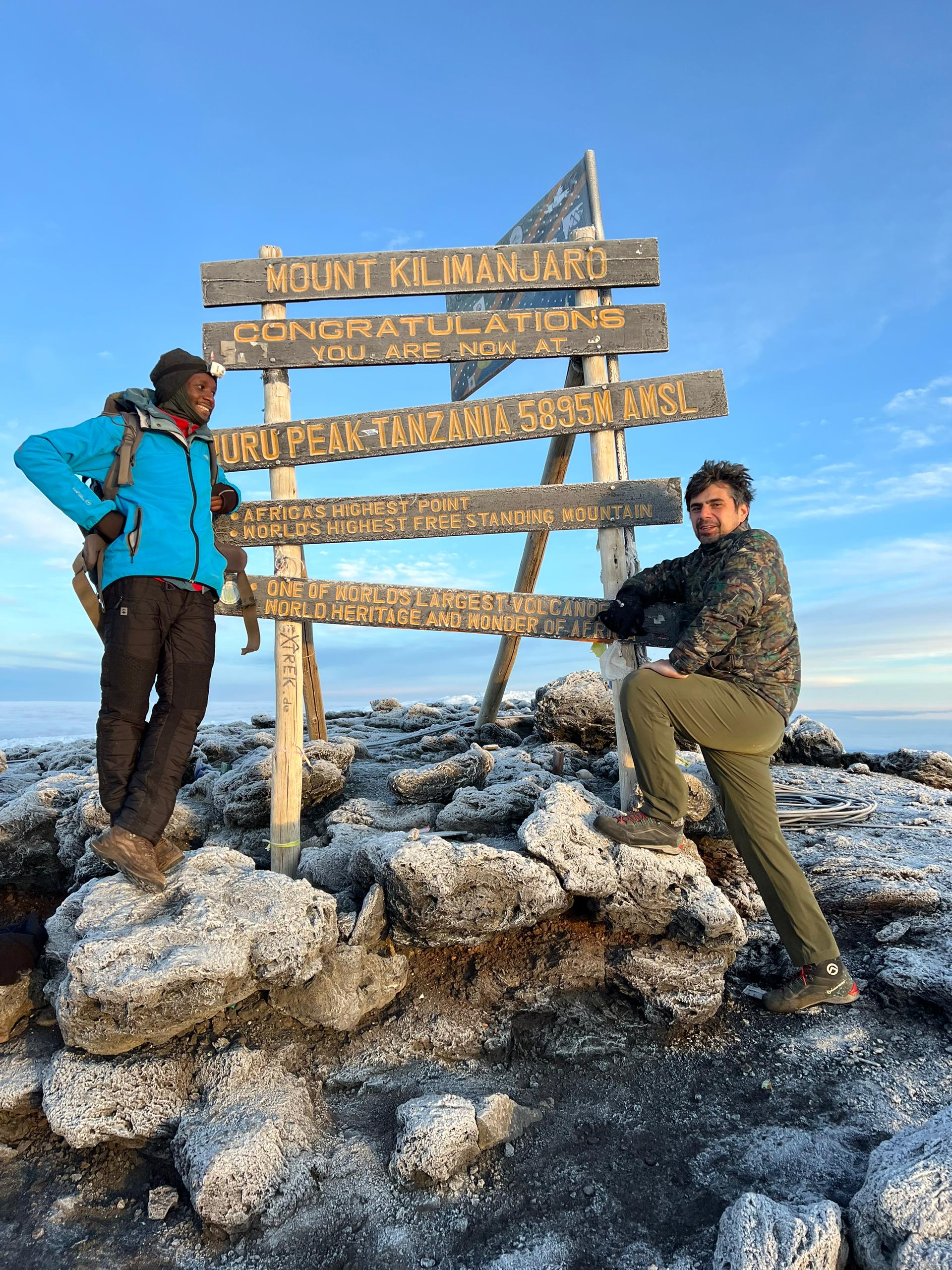
Tanzanian park authorities require all climbers to be accompanied by licensed Kilimanjaro guides. Your guide is your altitude expert, route leader, first responder, and cultural host. Choosing the right team, and following proven climbing tips from experienced Kilimanjaro guides, dramatically increases your summit success rate and reduces risk.
This article distills the top 5 Kilimanjaro guides in climbing tips for 2026–2027 and connects them to concrete choices: route selection, gear, pace, acclimatization, and ethical tour operators.
2. Top 5 Kilimanjaro Guides in Climbing Tips (Core Expert Advice for 2026–2027)
Every seasoned Kilimanjaro guide repeats the same core principles. Below are the top 5 Kilimanjaro guides in climbing tips that consistently separate successful, safe summit attempts from rushed, risky climbs.
Tip 1: Choose More Days on the Mountain – Not the Cheapest Package
The number one Kilimanjaro guiding tip for 2026–2027 is to prioritize acclimatization days over headline price. Short 5–6 day climbs have much lower summit success and higher altitude-sickness risk.
• Aim for 7–9 days on Kilimanjaro for optimal acclimatization
• Extra days allow “climb high, sleep low” strategies guided by your team
• Longer itineraries are especially important in variable 2026–2027 weather patterns
Expert Kilimanjaro guides in climbing tips consistently agree: if you can add one thing to your budget, add a day on the mountain.
Tip 2: Walk “Pole Pole” – Master the Kilimanjaro Pace
“Pole pole” (pronounced poh‑leh poh‑leh) is Swahili for “slowly, slowly.” The best Kilimanjaro guides in climbing tips constantly remind trekkers to slow down. Altitude rewards patience, not speed.
• Maintain a conversational pace – you should be able to talk without gasping
• Let your guide set the pace; resist competing with other groups
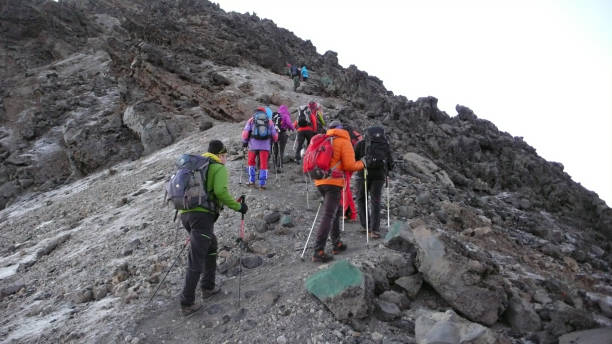
• Save energy for summit night, the hardest section of the entire climb
On Kilimanjaro in 2026–2027, success belongs to those who embrace “pole pole” and trust their guide’s steady, controlled pace.
Tip 3: Hydrate, Eat, and Layer Like a High-Altitude Climber
Experienced Kilimanjaro guides in climbing tips emphasize three daily habits: drinking enough water, fueling with calories, and managing your body temperature with proper layering.
• Target 3–4 liters of water per day (plus rehydration salts if needed)
• Never skip meals – you burn more calories at altitude even when walking slowly
• Use a flexible layering system to avoid sweating; wet clothing chills quickly
In 2026–2027, with temperature swings becoming more pronounced, controlling hydration and layering is one of the most practical Kilimanjaro guides in climbing tips you can follow.
Tip 4: Respect Altitude Warnings – Listen to Your Guide, Not Your Ego
Guides are trained to recognize early symptoms of Acute Mountain Sickness (AMS) and more serious conditions like HAPE and HACE. Reliable Kilimanjaro guides in climbing tips insist that you:
• Report headaches, nausea, dizziness, or loss of appetite immediately
• Accept your guide’s decisions if they advise rest days or descent
• Understand that turning back early can save your life
In 2026–2027, park rangers and professional Kilimanjaro guides continue to tighten safety protocols. Trusting their judgment is one of the most critical Kilimanjaro guiding tips for your expedition.
Tip 5: Choose Ethical, Certified Guides and Support Responsible Tourism
How your company treats guides and porters directly affects your safety, experience, and impact. The best Kilimanjaro guides in climbing tips also include ethical considerations:
• Look for companies approved by the Kilimanjaro Porters Assistance Project (KPAP)
• Confirm fair wages, proper equipment, and porter load limits are enforced
• Verify your head guide is licensed and Wilderness First Responder (WFR) trained
In 2026–2027, climbers increasingly choose outfitters based on ethics and safety. Following this Kilimanjaro guiding tip ensures your summit story is something to be proud of.
3. Best Kilimanjaro Routes for 2026–2027
Another core element of Kilimanjaro guides in climbing tips is choosing the right route for your fitness, budget, and time. Each route offers a different blend of scenery, acclimatization, and crowd levels.
Route
Typical Days (2026–2027)
Difficulty
Highlights & Best For
Machame (“Whiskey Route”)
7–8 days
Moderate to challenging
Most popular in 2026–2027; great views; good acclimatization; busy in peak months
Lemosho
7–9 days
Moderate
Highly recommended by Kilimanjaro guides; scenic, quieter, excellent acclimatization
Northern Circuit
8–9 days
Moderate (long)
Highest summit success; very quiet; full circuit of the mountain; ideal for 2026–2027 photographers
Rongai
6–7 days
Moderate
Drier north side; fewer crowds; good in wetter 2026–2027 seasons
Marangu (“Coca-Cola Route”)
5–6 days
Moderate (poor acclimatization if rushed)
Hut accommodation; can be crowded; only recommended if extended to 6 days
Most top Kilimanjaro guides in climbing tips for 2026–2027 recommend:
• Lemosho or Northern Circuit for first-time trekkers prioritizing success and scenery
• Machame for a popular, social route with strong acclimatization over 7 days
• Rongai for climbers concerned about rain or looking for a quieter approach
4. Best Time to Climb Kilimanjaro (2026–2027)
Another key part of the top 5 Kilimanjaro guides in climbing tips is timing your climb. While Kilimanjaro can be climbed year‑round, conditions vary significantly.
Season (2026–2027)
Conditions
Guides’ Recommendation
January–Early March
Generally dry, clear, slightly warmer
Excellent for 2026 and 2027; good summit visibility
Mid-March–May (Long Rains)
Wet, cloudy, slippery trails
Only for experienced trekkers; consider Rongai Route
June–October
Cool, generally dry, high visibility
Prime months in 2026–2027; busy during July–August
November (Short Rains)
Unpredictable showers but fewer climbers
Good for those wanting quieter trails if properly equipped
December
Mixed weather; popular over holidays
Book early; discuss conditions with your guide company
When applying Kilimanjaro guides in climbing tips to your planning, aim for January–early March or June–October in both 2026 and 2027 for the best balance of weather and success rates.
5. Kilimanjaro Gear & Packing List for 2026–2027
Good Kilimanjaro guides in climbing tips always stress: “There is no bad weather, only bad equipment.” Weather on Kilimanjaro in 2026–2027 can shift from tropical heat to sub‑zero windchill within hours.
Essential Clothing Layers
• Base layers: Moisture‑wicking tops and leggings (2–3 sets)
• Mid layers: Fleece or light insulated jackets
• Insulation: Warm down or synthetic puffy for summit night
• Shell: Waterproof jacket and pants (Gore‑Tex or similar)
• Warm hat, sun hat, buff/neck gaiter, and liner gloves + insulated gloves
• UV‑blocking sunglasses (Category 3 or 4)
Bags & Sleeping
• 30–35 L daypack with rain cover
• 70–90 L duffel bag for porters (water‑resistant)
• Sleeping bag rated to at least –10°C (14°F) or lower
• Sleeping pad (often provided, but confirm with your outfitter)
Hydration, Health & Tech
• Water bottles and/or hydration bladder (total 3–4 L capacity)
• Water purification tablets or filter (backup to guide’s supply)
• Personal first aid kit + medications recommended by your doctor
• Headlamp with spare batteries (critical for summit night)
• Power bank and charging cables
In line with the top 5 Kilimanjaro guides in climbing tips, invest in proven, comfortable gear and test everything on training hikes before you travel in 2026 or 2027.
6. Acclimatization & Altitude Safety Tips
The heart of most Kilimanjaro guides in climbing tips revolves around altitude. You cannot “tough out” poor acclimatization. You must work with your body and your guide.
Core Acclimatization Principles
• Choose a 7–9 day route, especially in 2026–2027 when weather can add stress
• Walk “pole pole” from day one, not just near the summit
• Drink at least 3 liters of fluid daily and avoid heavy alcohol and smoking before the climb
• Eat even if you have low appetite at altitude
• Use “climb high, sleep low” side hikes when offered by your guide
Recognizing Altitude Sickness
Your guide will monitor you, but you should also know the warning signs:
• Dangerous signs: confusion, difficulty walking straight, severe breathlessness at rest, wet cough, chest tightness, bluish lips or fingernails
The best Kilimanjaro guides in climbing tips insist: if serious symptoms appear, descend immediately. Summit goals always come second to your health.
7. Health, Fitness & Training for Kilimanjaro (2026–2027)
While extreme athleticism isn’t required, Kilimanjaro in 2026–2027 still demands preparation. The top Kilimanjaro guides in climbing tips highlight consistent, specific training.
• Hill or stair climbing: 1–2 sessions per week with a loaded daypack
• Strength: Leg and core workouts 2 times per week
• Long hikes: 1 longer hike each week, building up to 5–7 hours
Medical Preparation for 2026–2027
• Get a full medical check, especially if you have heart, lung, or blood pressure issues
• Discuss altitude medications (e.g., acetazolamide) with your doctor
• Update required vaccinations and travel insurance including high‑altitude trekking
Align your training with the top 5 Kilimanjaro guides in climbing tips: gradual conditioning, realistic expectations, and honest communication with your guide about any health concerns.
8. How to Choose a Kilimanjaro Guiding Company (2026–2027)
Not all tour operators are equal. A central theme of Kilimanjaro guides in climbing tips is to choose safety and ethics over rock‑bottom prices.
Checklist for 2026–2027 Operators
• Licensed Tanzanian company or reputable international partner with local staff
• Head guides with Wilderness First Responder (WFR) or equivalent medical training
• Daily health checks using pulse oximeters and symptom questionnaires
• Oxygen and emergency evacuation plans clearly explained
• Membership or partnership with KPAP or similar porter welfare organizations
• Transparent pricing with clear inclusions and exclusions
• Recent independent reviews (2024–2026) with verifiable testimonials
When you compare companies for your 2026–2027 climb, apply the top 5 Kilimanjaro guides in climbing tips: prioritize number of days, safety record, guide training, and ethical treatment of staff.
To show how the top Kilimanjaro guides in climbing tips come together on the mountain, here is a sample 8‑day Lemosho itinerary recommended for 2026–2027.
Day
From → To
Approx. Hours
Key Tips from Guides
1
Lemosho Gate → Mti Mkubwa Camp
3–4
Start “pole pole”; drink often; get used to your gear
Follow your guide carefully on Barranco Wall; keep 3‑point contact
6
Karanga → Barafu Camp
3–4
Rest after arrival; prepare summit gear and snacks early
7
Barafu → Uhuru Peak → Mweka Camp
10–15
Summit night: go very slowly, keep sipping water, listen closely to your guide
8
Mweka Camp → Mweka Gate
3–4
Descend carefully; celebrate with your team at the gate
This itinerary shows how the best Kilimanjaro guides in climbing tips – long route, “pole pole” pace, acclimatization days, and strong guide support – are built into each day of your 2026–2027 journey.
10. Kilimanjaro FAQs for 2026–2027
How difficult is Kilimanjaro for a first-time trekker?
With proper training, a 7–9 day route, and by following the top 5 Kilimanjaro guides in climbing tips, many first‑time trekkers successfully reach Uhuru Peak. The challenge is more about altitude, consistency, and mindset than about technical climbing.
What is the success rate for Kilimanjaro climbs in 2026–2027?
Summit success rates vary by route and operator. Short 5–6 day routes can drop below 60%, while 8–9 day itineraries run by reputable companies often exceed 85–90%. Expert Kilimanjaro guides in climbing tips strongly recommend longer itineraries to improve your odds.
Do I need technical climbing experience?
No. Kilimanjaro is a trekking peak, not a technical climb. You walk on trails the entire way, occasionally over scree and some rocky sections. However, your 2026–2027 climb still requires strong fitness, mental resilience, and adherence to tested Kilimanjaro guiding tips.
How safe is Kilimanjaro in 2026–2027?
With licensed Kilimanjaro guides, robust medical screening, and responsible decision‑making, Kilimanjaro is generally safe. The key is to choose a reputable operator, listen to your guide, and apply all relevant Kilimanjaro guides in climbing tips on altitude and health.
What does a typical Kilimanjaro climb cost in 2026–2027?
Expect roughly USD 2,000–4,000+ depending on route length, group size, and inclusions. Very low prices usually signal poor porter treatment, inadequate safety equipment, or rushed itineraries – exactly what the top 5 Kilimanjaro guides in climbing tips warn against.
11. Next Steps: Turn Kilimanjaro From Dream to Reality
By now you understand the top 5 Kilimanjaro guides in climbing tips for 2026–2027: choose enough days, walk “pole pole,” manage hydration and layering, respect altitude warnings, and partner with ethical, certified guides. The final step is to put this knowledge into action.
• Decide on your preferred season in 2026 or 2027
• Choose a 7–9 day route (Lemosho, Northern Circuit, Machame, or Rongai)
• Shortlist 2–3 reputable operators that meet all safety and ethics criteria
• Start a realistic training plan and confirm your travel documents and insurance
With the right preparation and the proven Kilimanjaro guides in climbing tips outlined above, you can step onto the roof of Africa in 2026–2027 with confidence, safety, and respect for the mountain and the people who call it home.
Longer trek ensures full acclimatization, more scenic experience, higher summit chances.
From $1,900 - $3,400Save Up To 10%!
Tanzania Tours & Safari FAQs 2026–2027
Find answers to all your questions about Tanzania safaris, Kilimanjaro trekking, beach holidays, cultural tours, and more for your 2026–2027 adventures!
The dry season from June to October is best for wildlife viewing. Wet months (November–May) offer lush scenery and fewer tourists, great for birdwatching.
The optimal months are January–March and June–October. These periods have less rain, clearer skies, and better trekking conditions.
Yes! Many 2026–2027 packages combine Serengeti or Ngorongoro safaris with relaxing beach stays in Zanzibar or Pemba.
Absolutely! Family-friendly safaris include short drives, child-safe accommodations, and educational experiences with wildlife and culture.
The Serengeti (Northern & Central) and Ngorongoro Conservation Area are prime locations to witness the Great Migration in 2026–2027.
Safaris range from 3–14 days. 7–10 days is ideal to visit multiple parks, see wildlife, and enjoy a well-paced experience.
Machame, Marangu, Lemosho, Rongai, and Northern Circuit are popular. Lemosho and Machame offer scenic routes and higher summit success rates.
Yes, guides and porters are required by Tanzanian law. They ensure safety, carry gear, and assist with altitude challenges.
Zanzibar and Pemba offer safe resorts, calm waters, and family activities. Always follow resort safety guidelines for water activities.
Yes, private and custom itineraries allow flexibility in duration, parks, and accommodations for 2026–2027 trips.
Costs vary by duration, accommodation, and inclusions. Budget safaris start around $1,000, while luxury safaris may exceed $5,000.
Most safaris include meals. Kilimanjaro climbs provide full-board meals, including snacks and hot drinks during trekking days.
Lions, elephants, leopards, cheetahs, giraffes, zebras, wildebeest, rhinos, hippos, crocodiles, and exotic birds are common in safaris.
Recommended vaccinations: Yellow Fever, Hepatitis A/B, Tetanus. Malaria prophylaxis is advised for rural safari and trekking regions.
Yes, guided walking safaris are offered in parks like Tarangire and Arusha, allowing close encounters with nature and local flora/fauna.
Tanzania is generally safe. Solo travelers should follow guides’ advice, avoid isolated areas at night, and take standard precautions.
Neutral clothing, trekking shoes, hats, sunglasses, sunscreen, camera, binoculars, swimwear, and light jackets for cooler nights.
Yes! Many 2026–2027 packages include visits to Maasai villages, Hadzabe tribes, and historical sites alongside safaris.
Safaris use 4x4 vehicles with open roofs. Some tours include short domestic flights for park transfers or long-distance itineraries.
Yes. in 2026–2027 Luxury packages provide premium lodges, tents, private guides, personalized meals, and exclusive game drives or trekking services.
Parks like Arusha and Amboseli provide breathtaking views of Kilimanjaro along with wildlife sightings on safari.
It is recommended to book 4–6 months in advance for peak season (June–October) to ensure availability of accommodation and guides.