
Africa - Tanzania Safari Operator
Arusha - Moshi Tanzania
Cristiano Ronaldo, often referred to as CR7, is not just a football legend but also a global icon whose net worth continues to captivate audiences worldwide. As we approach 2026–2027, understanding the net worth of Cristiano Ronaldo involves diving into his earnings, investments, endorsements, and lifestyle. This article serves as the ultimate guide, covering every aspect of his financial empire, ensuring you have all the information you need in one place. Whether you’re a fan, investor, or simply curious, this deep dive into Cristiano Ronaldo’s net worth will leave no stone unturned.
Cristiano Ronaldo’s net worth is a testament to his unparalleled success on and off the pitch. As of 2026–2027, his financial standing is a blend of football contracts, endorsement deals, business ventures, and smart investments. This article will explore these elements in detail, providing insights into how Ronaldo has built and maintained his wealth over the years.
Football remains the primary source of Cristiano Ronaldo’s income. Over the years, he has played for some of the biggest clubs in the world, including Sporting Lisbon, Manchester United, Real Madrid, Juventus, and Al-Nassr. Each transfer and contract renewal has significantly contributed to his net worth.
Ronaldo’s club contracts have always been lucrative. For instance, his move to Al-Nassr in 2023 reportedly earned him an annual salary of over $200 million, making him one of the highest-paid athletes globally. Below is a breakdown of his earnings from major clubs:
| Club | Years | Annual Salary (USD) |
|---|---|---|
| Manchester United | 2003–2009, 2021–2023 | $25M–$50M |
| Real Madrid | 2009–2018 | $50M–$100M |
| Juventus | 2018–2021 | $60M–$70M |
| Al-Nassr | 2023–Present | $200M+ |
Representing Portugal has also been financially rewarding for Ronaldo. While international football salaries are generally lower, bonuses for tournament performances and sponsorship deals tied to national team appearances have added to his wealth.
Endorsements are a significant part of Cristiano Ronaldo’s net worth. His global appeal has attracted partnerships with top brands, ensuring a steady stream of income outside of football.
Ronaldo’s endorsement portfolio includes brands like Nike, CR7 (his own brand), Herbalife, and Tag Heuer. Below is a list of his most lucrative deals:
With over 500 million followers across Instagram, Facebook, and Twitter, Ronaldo’s social media presence is a goldmine for endorsements. Brands pay millions for sponsored posts, further boosting his net worth.
Beyond football and endorsements, Cristiano Ronaldo has diversified his income through various business ventures and investments.
The CR7 brand is a cornerstone of Ronaldo’s business empire. It includes clothing lines, footwear, fragrances, and even hotels. The brand’s success has significantly contributed to his net worth.
Ronaldo’s real estate portfolio is impressive, with properties in Portugal, Spain, Italy, and the United States. These investments not only provide luxury living but also serve as appreciating assets.
Ronaldo has invested in tech startups, fitness companies, and even cryptocurrency. These ventures showcase his forward-thinking approach to wealth management.
Understanding Cristiano Ronaldo’s net worth also involves looking at his lifestyle and expenditures. From luxury cars to private jets, Ronaldo’s spending habits reflect his immense wealth.
Ronaldo owns a fleet of luxury cars, including Bugatti, Ferrari, and Rolls-Royce models. He also owns a private jet, which he uses for travel and business purposes.
Despite his lavish lifestyle, Ronaldo is known for his philanthropy. He has donated millions to various causes, including children’s hospitals and disaster relief efforts.
As we look ahead to 2026–2027, Cristiano Ronaldo’s net worth is expected to continue growing. Factors such as new endorsements, business expansions, and potential post-retirement ventures will play a crucial role.
While Ronaldo’s playing career may wind down, his financial empire is likely to expand. Potential ventures include coaching, media appearances, and further business expansions.
The global sports and entertainment market is evolving, and Ronaldo’s ability to adapt will be key to maintaining and growing his net worth.
As of 2026–2027, Cristiano Ronaldo’s net worth is estimated to be over $1 billion, making him one of the wealthiest athletes in history.
Ronaldo earns money through football contracts, endorsements, business ventures, and investments.
His lifetime contract with Nike, worth over $1 billion, is his biggest endorsement deal.
Yes, Ronaldo owns the CR7 brand, which includes clothing, footwear, fragrances, and hotels.
Ronaldo spends his wealth on luxury cars, private jets, real estate, and charitable contributions.
"This article on the net worth of Cristiano Ronaldo is incredibly detailed and informative. I especially appreciated the breakdown of his endorsements and business ventures. Climb 4 Africa has done a fantastic job!"
"As a huge fan of Cristiano Ronaldo, I found this article to be a treasure trove of information. The projections for 2026–2027 are particularly interesting. Climb 4 Africa is a trusted source for such insights."
"This is the most comprehensive guide on Cristiano Ronaldo’s net worth I’ve ever read. The tables and FAQs make it easy to understand. Climb 4 Africa is my go-to for authoritative content."
Cristiano Ronaldo’s net worth is a reflection of his hard work, talent, and business acumen. As we move into 2026–2027, his financial empire is set to grow even further. Whether you’re inspired by his success or simply curious about his wealth, this article has provided a complete overview. For more insights or inquiries, feel free to contact Climb 4 Africa via WhatsApp at +255767014561 or email at diphonjully@gmail.com. Stay tuned for more updates on the net worth of Cristiano Ronaldo and other global icons.
 Machame
Beginner-friendly Machame Route. Small group trekking for adventure seekers.
 Machame
Whiskey Route with better acclimatization and higher summit success rate.
 Group for Machame
Extended trekking for better acclimatization and higher chance to summit Kilimanjaro.
 Marangu Route Group
Classic “Coca-Cola Route”, moderate trekking experience. Popular for first-timers.
 Marangu Groups
Extended Marangu Route for better acclimatization and a safer summit attempt.
 Join Lemosho Group
Beautiful Lemosho Route through forests and moorlands. Excellent acclimatization for summit success.
 Join Lemosho Group
Longer trek ensures full acclimatization, more scenic experience, higher summit chances.
Find answers to all your questions about Tanzania safaris, Kilimanjaro trekking, beach holidays, cultural tours, and more for your 2026–2027 adventures!
The dry season from June to October is best for wildlife viewing. Wet months (November–May) offer lush scenery and fewer tourists, great for birdwatching.
The optimal months are January–March and June–October. These periods have less rain, clearer skies, and better trekking conditions.
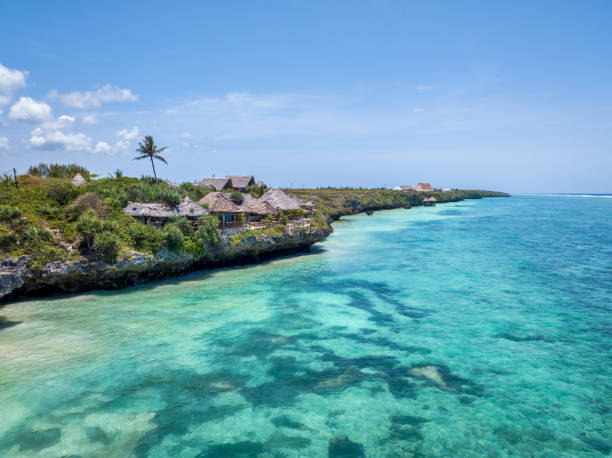
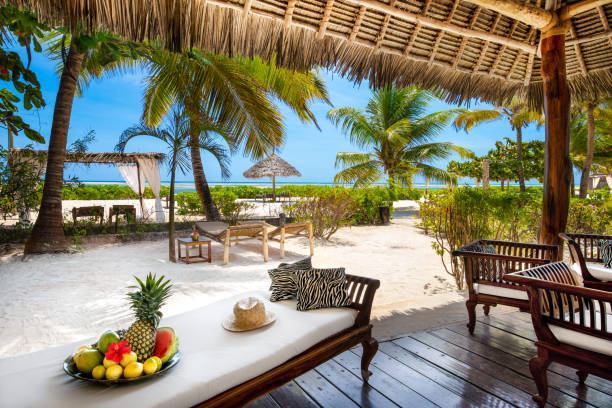
Yes! Many 2026–2027 packages combine Serengeti or Ngorongoro safaris with relaxing beach stays in Zanzibar or Pemba.
Absolutely! Family-friendly safaris include short drives, child-safe accommodations, and educational experiences with wildlife and culture.
The Serengeti (Northern & Central) and Ngorongoro Conservation Area are prime locations to witness the Great Migration in 2026–2027.
Safaris range from 3–14 days. 7–10 days is ideal to visit multiple parks, see wildlife, and enjoy a well-paced experience.
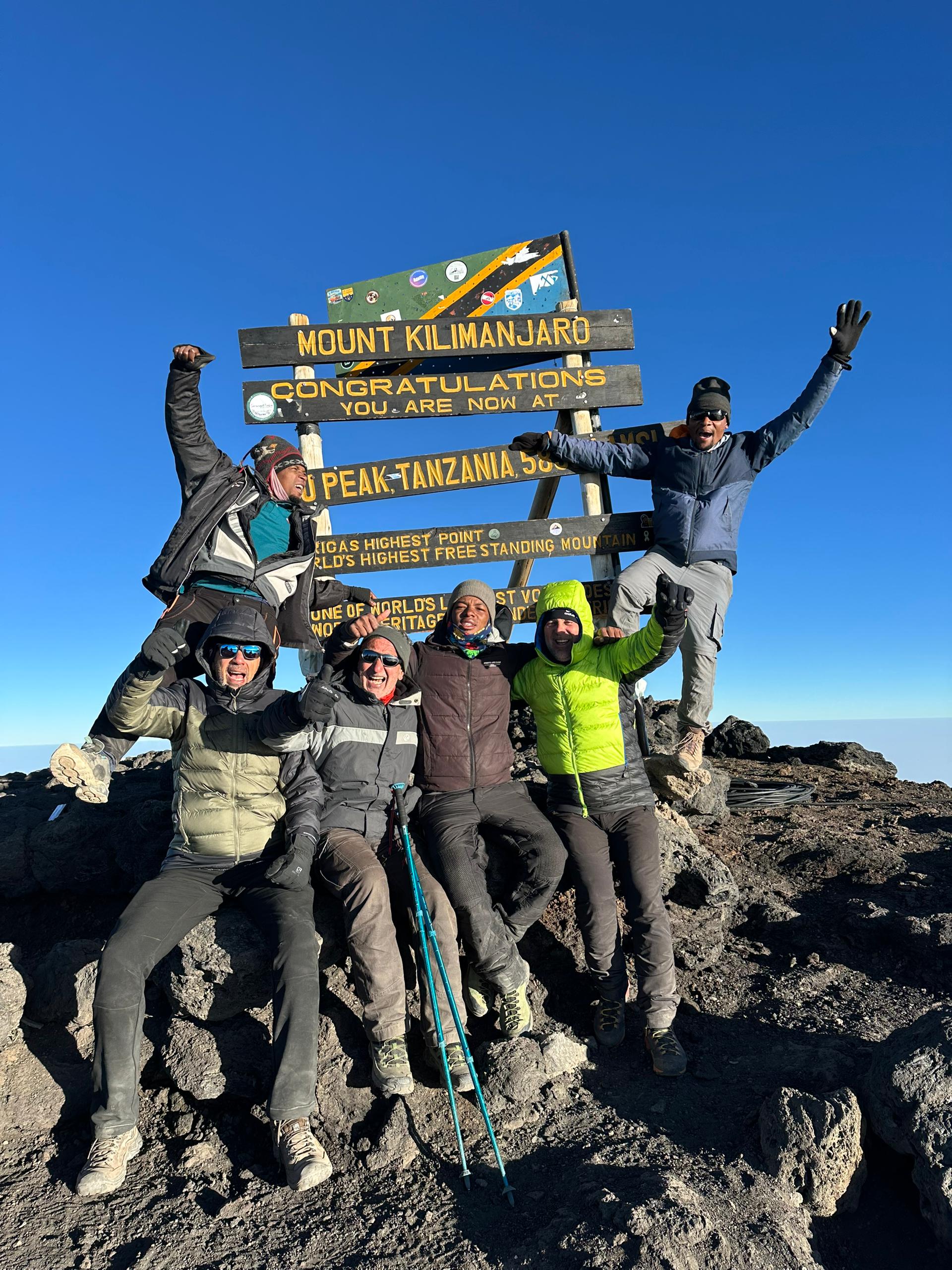
Machame, Marangu, Lemosho, Rongai, and Northern Circuit are popular. Lemosho and Machame offer scenic routes and higher summit success rates.
Yes, guides and porters are required by Tanzanian law. They ensure safety, carry gear, and assist with altitude challenges.
Zanzibar and Pemba offer safe resorts, calm waters, and family activities. Always follow resort safety guidelines for water activities.
Yes, private and custom itineraries allow flexibility in duration, parks, and accommodations for 2026–2027 trips.
Costs vary by duration, accommodation, and inclusions. Budget safaris start around $1,000, while luxury safaris may exceed $5,000.
Most safaris include meals. Kilimanjaro climbs provide full-board meals, including snacks and hot drinks during trekking days.
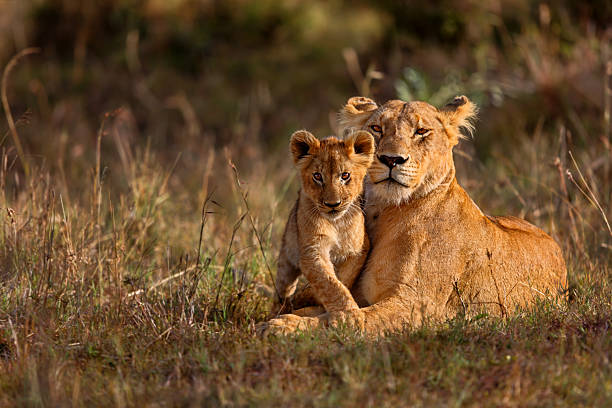
Lions, elephants, leopards, cheetahs, giraffes, zebras, wildebeest, rhinos, hippos, crocodiles, and exotic birds are common in safaris.
Recommended vaccinations: Yellow Fever, Hepatitis A/B, Tetanus. Malaria prophylaxis is advised for rural safari and trekking regions.
Yes, guided walking safaris are offered in parks like Tarangire and Arusha, allowing close encounters with nature and local flora/fauna.
Tanzania is generally safe. Solo travelers should follow guides’ advice, avoid isolated areas at night, and take standard precautions.
Neutral clothing, trekking shoes, hats, sunglasses, sunscreen, camera, binoculars, swimwear, and light jackets for cooler nights.
Yes! Many 2026–2027 packages include visits to Maasai villages, Hadzabe tribes, and historical sites alongside safaris.
Safaris use 4x4 vehicles with open roofs. Some tours include short domestic flights for park transfers or long-distance itineraries.
Yes. in 2026–2027 Luxury packages provide premium lodges, tents, private guides, personalized meals, and exclusive game drives or trekking services.
Parks like Arusha and Amboseli provide breathtaking views of Kilimanjaro along with wildlife sightings on safari.
It is recommended to book 4–6 months in advance for peak season (June–October) to ensure availability of accommodation and guides.