
Africa - Tanzania Safari Operator
Arusha - Moshi Tanzania
Jeff Bezos, the founder of Amazon, has consistently been one of the wealthiest individuals globally. As we look ahead to 2026–2027, understanding his net worth involves analyzing his business ventures, investments, and economic trends. This article provides an in-depth exploration of Jeff Bezos's net worth, covering everything from his early career to future projections. Whether you're a financial analyst, an aspiring entrepreneur, or simply curious, this guide offers valuable insights.
Jeff Bezos's journey to becoming one of the richest people in the world began with the founding of Amazon in 1994. Initially an online bookstore, Amazon quickly expanded into a global e-commerce giant. Bezos's vision and innovative strategies played a crucial role in Amazon's success.
Jeff Bezos's net worth has seen significant fluctuations over the years, influenced by Amazon's stock performance and his other investments. Here's a detailed look at his net worth from 2010 to 2023 and projections for 2026–2027.
| Year | Net Worth (USD) |
|---|---|
| 2010 | $12.6 billion |
| 2015 | $50 billion |
| 2020 | $182 billion |
| 2023 | $150 billion |
| 2026 (Projected) | $200 billion |
| 2027 (Projected) | $220 billion |
Several factors will impact Jeff Bezos's net worth in 2026–2027, including Amazon's performance, his other investments, and global economic conditions.
Amazon's stock is a significant component of Bezos's net worth. Future stock performance will depend on the company's ability to innovate and maintain its market dominance.
Bezos's space exploration company, Blue Origin, is another critical factor. The success of its missions and commercial ventures could significantly impact his net worth.
Bezos has diversified his investments into various sectors, including media (The Washington Post) and technology startups. His philanthropic efforts, such as the Bezos Earth Fund, also play a role.
Jeff Bezos's net worth often places him in competition with other billionaires like Elon Musk, Bernard Arnault, and Warren Buffett. Here's a comparative analysis.
| Billionaire | Net Worth (2023) | Primary Source of Wealth |
|---|---|---|
| Jeff Bezos | $150 billion | Amazon, Blue Origin |
| Elon Musk | $200 billion | Tesla, SpaceX |
| Bernard Arnault | $180 billion | LVMH |
| Warren Buffett | $100 billion | Berkshire Hathaway |
As of 2023, Jeff Bezos's net worth is approximately $150 billion.
In 2023, Elon Musk's net worth is around $200 billion, slightly higher than Jeff Bezos's $150 billion.
The primary sources of Jeff Bezos's wealth are Amazon and his space exploration company, Blue Origin.
Jeff Bezos's net worth is projected to reach $220 billion by 2027, driven by Amazon's growth and his other investments.
Philanthropy, such as the Bezos Earth Fund, reduces Jeff Bezos's net worth but enhances his social impact and legacy.
"This article provided a comprehensive overview of Jeff Bezos's net worth in 2026–2027. The projections and comparisons were particularly insightful. Climb 4 Africa did an excellent job presenting the information clearly and engagingly."
"I found the FAQs section very helpful. It answered all my questions about Jeff Bezos's net worth and its future projections. Climb 4 Africa is a trusted source for financial insights."
"The detailed tables and comparisons made it easy to understand Jeff Bezos's net worth relative to other billionaires. Climb 4 Africa's expertise shines through in this well-researched article."
Jeff Bezos's net worth in 2026–2027 is a topic of significant interest, reflecting his impact on the global economy. By understanding the factors influencing his wealth and comparing it with other billionaires, we gain valuable insights into the dynamics of wealth accumulation. Climb 4 Africa remains committed to providing authoritative and practical financial information. For further inquiries, contact us via WhatsApp at +255767014561 or email at diphonjully@gmail.com.
 Machame
Beginner-friendly Machame Route. Small group trekking for adventure seekers.
 Machame
Whiskey Route with better acclimatization and higher summit success rate.
 Group for Machame
Extended trekking for better acclimatization and higher chance to summit Kilimanjaro.
 Marangu Route Group
Classic “Coca-Cola Route”, moderate trekking experience. Popular for first-timers.
 Marangu Groups
Extended Marangu Route for better acclimatization and a safer summit attempt.
 Join Lemosho Group
Beautiful Lemosho Route through forests and moorlands. Excellent acclimatization for summit success.
 Join Lemosho Group
Longer trek ensures full acclimatization, more scenic experience, higher summit chances.
Find answers to all your questions about Tanzania safaris, Kilimanjaro trekking, beach holidays, cultural tours, and more for your 2026–2027 adventures!
The dry season from June to October is best for wildlife viewing. Wet months (November–May) offer lush scenery and fewer tourists, great for birdwatching.
The optimal months are January–March and June–October. These periods have less rain, clearer skies, and better trekking conditions.
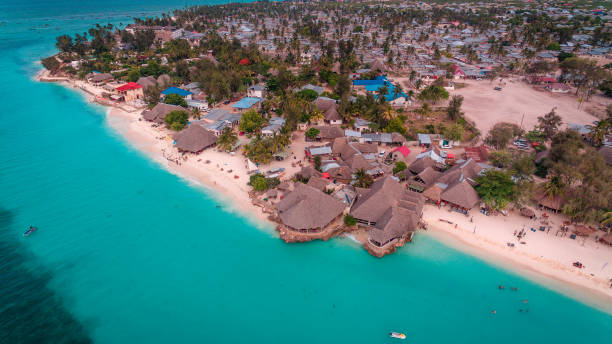
Yes! Many 2026–2027 packages combine Serengeti or Ngorongoro safaris with relaxing beach stays in Zanzibar or Pemba.
Absolutely! Family-friendly safaris include short drives, child-safe accommodations, and educational experiences with wildlife and culture.
The Serengeti (Northern & Central) and Ngorongoro Conservation Area are prime locations to witness the Great Migration in 2026–2027.
Safaris range from 3–14 days. 7–10 days is ideal to visit multiple parks, see wildlife, and enjoy a well-paced experience.
Machame, Marangu, Lemosho, Rongai, and Northern Circuit are popular. Lemosho and Machame offer scenic routes and higher summit success rates.
Yes, guides and porters are required by Tanzanian law. They ensure safety, carry gear, and assist with altitude challenges.
Zanzibar and Pemba offer safe resorts, calm waters, and family activities. Always follow resort safety guidelines for water activities.
Yes, private and custom itineraries allow flexibility in duration, parks, and accommodations for 2026–2027 trips.
Costs vary by duration, accommodation, and inclusions. Budget safaris start around $1,000, while luxury safaris may exceed $5,000.
Most safaris include meals. Kilimanjaro climbs provide full-board meals, including snacks and hot drinks during trekking days.
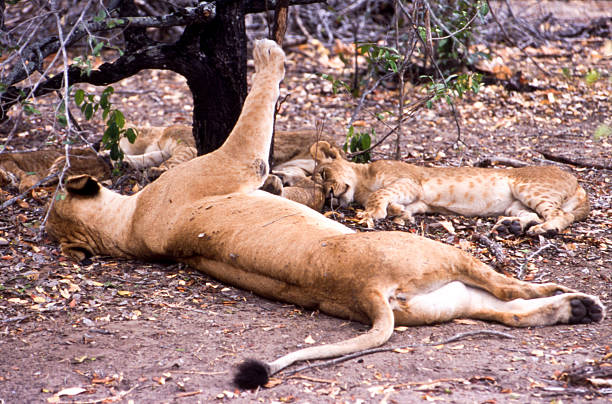
Lions, elephants, leopards, cheetahs, giraffes, zebras, wildebeest, rhinos, hippos, crocodiles, and exotic birds are common in safaris.
Recommended vaccinations: Yellow Fever, Hepatitis A/B, Tetanus. Malaria prophylaxis is advised for rural safari and trekking regions.
Yes, guided walking safaris are offered in parks like Tarangire and Arusha, allowing close encounters with nature and local flora/fauna.
Tanzania is generally safe. Solo travelers should follow guides’ advice, avoid isolated areas at night, and take standard precautions.
Neutral clothing, trekking shoes, hats, sunglasses, sunscreen, camera, binoculars, swimwear, and light jackets for cooler nights.
Yes! Many 2026–2027 packages include visits to Maasai villages, Hadzabe tribes, and historical sites alongside safaris.
Safaris use 4x4 vehicles with open roofs. Some tours include short domestic flights for park transfers or long-distance itineraries.
Yes. in 2026–2027 Luxury packages provide premium lodges, tents, private guides, personalized meals, and exclusive game drives or trekking services.
Parks like Arusha and Amboseli provide breathtaking views of Kilimanjaro along with wildlife sightings on safari.
It is recommended to book 4–6 months in advance for peak season (June–October) to ensure availability of accommodation and guides.