
Africa - Tanzania Safari Operator
Arusha - Moshi Tanzania
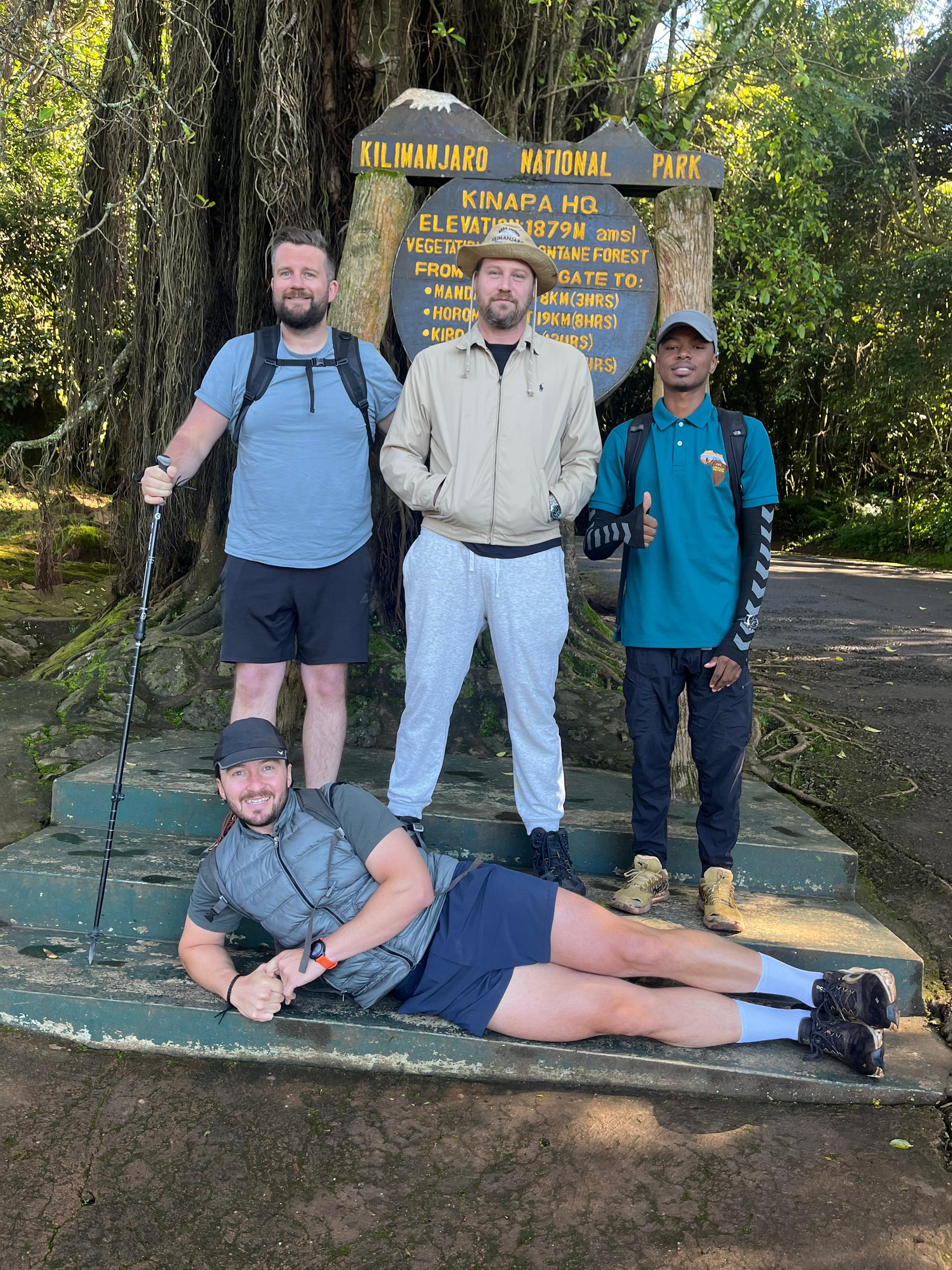
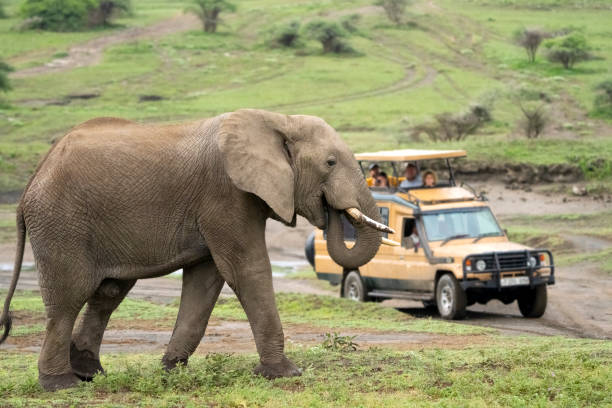
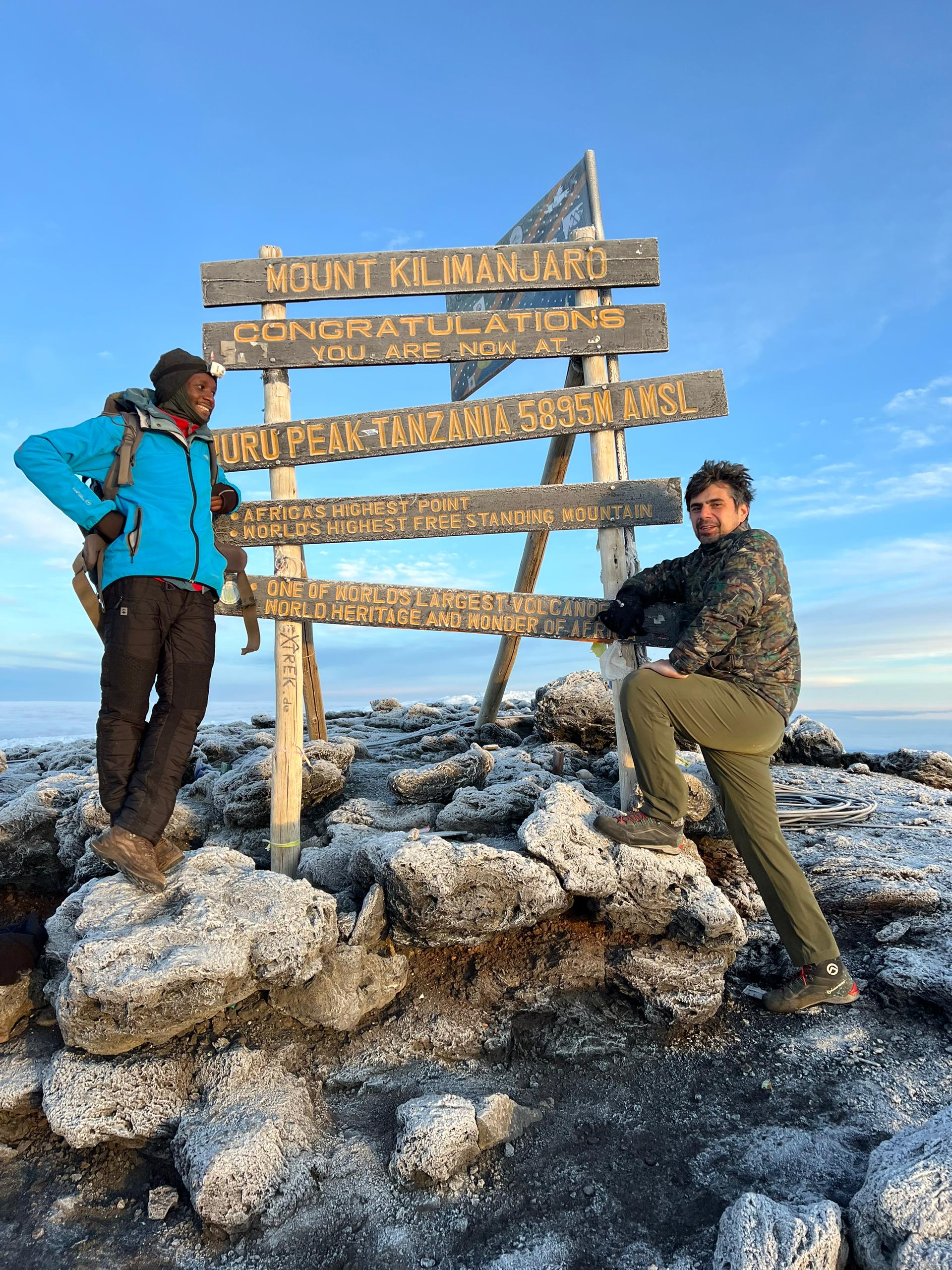
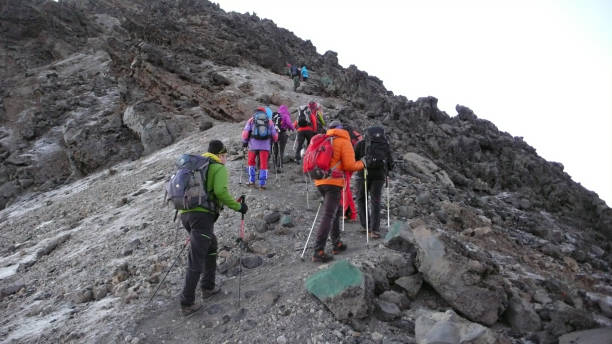
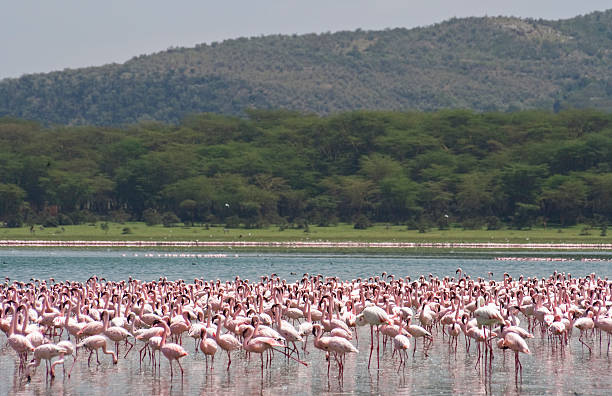
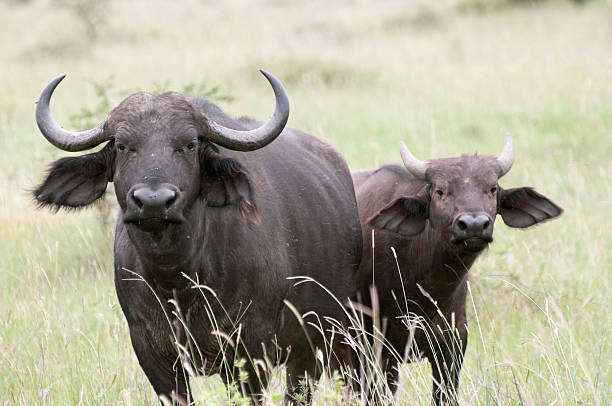
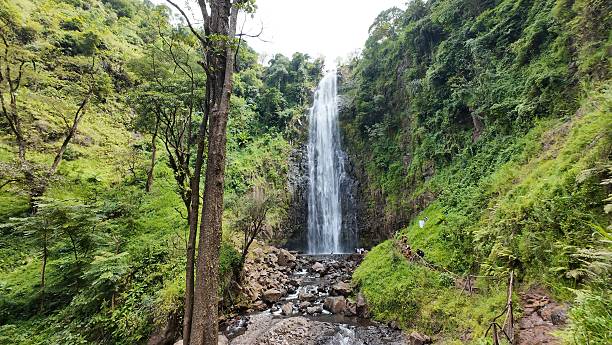
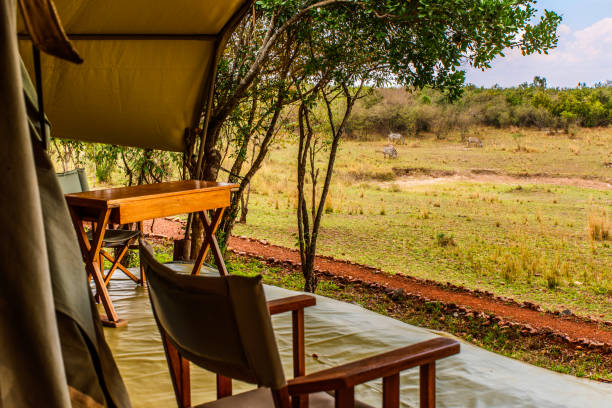
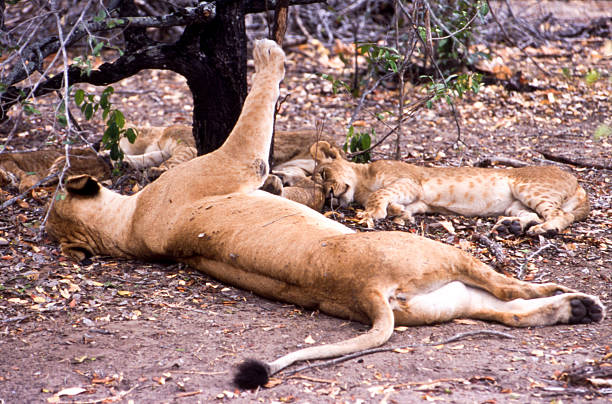
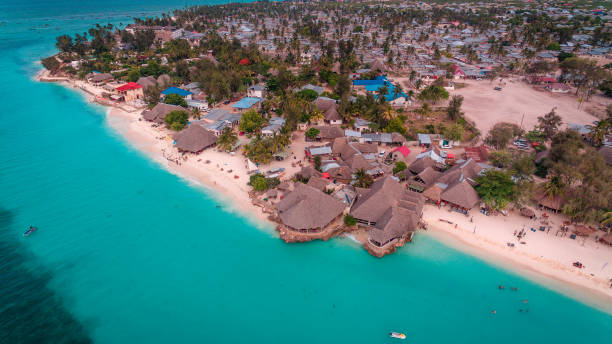
Imagine yourself on an exciting adventure, surrounded by the raw beauty of Africa's most prized wildlife and landscapes. In the upcoming years of 2026 and 2027, an adventurous African safari in Kenya and Tanzania will offer you unparalleled opportunities to explore, learn, and connect with nature. This comprehensive guide dives deep into the highlights, itineraries, costs, and tips for an unforgettable African safari experience.
Africa's unique allure has captivated travelers for centuries. With Kenya and Tanzania's exceptional wildlife populations and breathtaking landscapes, these countries stand out as premier safari destinations.
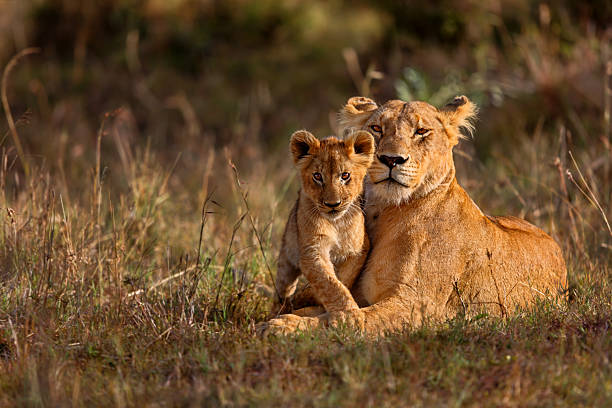
Kenya and Tanzania are home to the famous 'Big Five' game animals: lions, leopards, rhinoceroses, elephants, and Cape buffalos. These majestic creatures roam freely across vast savannas and protected parks, providing exceptional opportunities for up-close encounters.
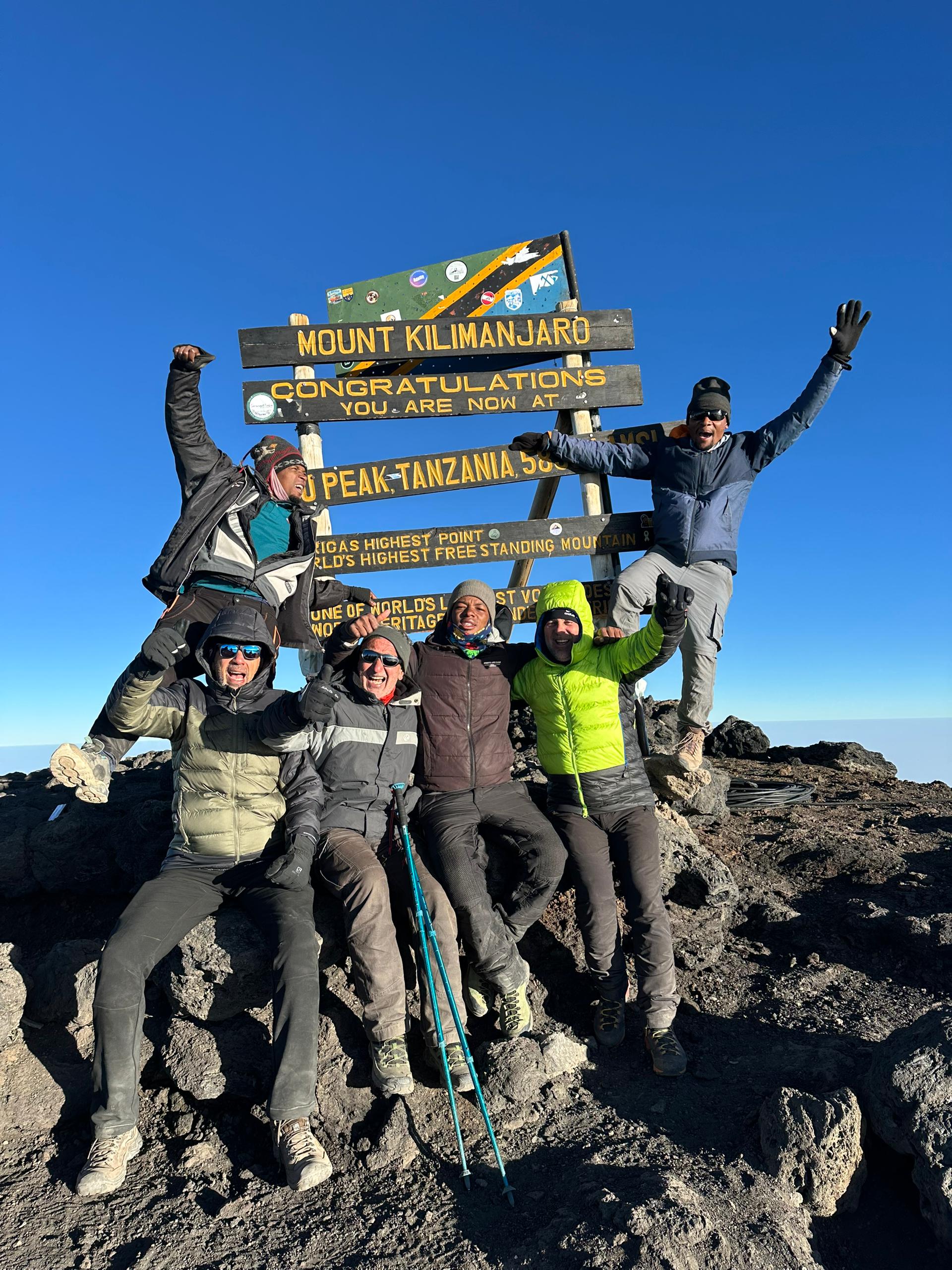
From Kenya's Great Rift Valley to Tanzania's iconic Mount Kilimanjaro and the Serengeti's sweeping plains, these countries boast diverse and stunning landscapes. These environments nurture a wide array of wildlife, offering visitors an ever-changing tableau of natural beauty.
An adventurous African safari in Kenya and Tanzania offers countless thrilling moments. Here are some must-see highlights to include in your itinerary for 2027-2028:
Masai Mara National Reserve, Kenya: Renowned for its annual Great Migration, this reserve hosts millions of wildebeest, zebras, and gazelles crossing the Mara River. Experience the drama of predator-prey interactions and capture unforgettable photos.
Serengeti National Park, Tanzania: As the largest national park in Tanzania, Serengeti offers a safari experience like no other. With its endless plains and abundant wildlife, this park is a must-visit for any traveler seeking an authentic African adventure.
Ngorongoro Conservation Area, Tanzania: This UNESCO World Heritage Site boasts the world's largest intact volcanic caldera. Explore its diverse habitats, including grasslands, forests, and lakes, which support an astonishing variety of wildlife, including the densest population of lions in the world.
Amboseli National Park, Kenya: Famous for its large elephant populations and stunning views of Mount Kilimanjaro, Amboseli offers a unique and tranquil safari experience.
To ensure a seamless and unforgettable African safari experience, consider these essential planning tips for 2027-2028:
Choose the Right Time: Plan your safari during the dry season (June to October) for optimal wildlife viewing. However, consider visiting during the wet season (November to May) for fewer crowds and lower prices.
Select a Reputable Tour Operator: Research and select a tour operator with experience, positive reviews, and a commitment to responsible tourism practices.
Pack Appropriately: Prepare for varying temperatures and conditions by packing lightweight, breathable clothing, sturdy footwear, a hat, sunglasses, and insect repellent.
Stay Hydrated and Protect Your Skin: Drink plenty of water and use sunscreen to protect yourself from the strong African sun.
Respect Local Cultures: Learn about and respect local customs, traditions, and beliefs. Engage with local communities and support their businesses whenever possible.
The cost of an adventurous African safari in Kenya and Tanzania can vary significantly depending on the tour operator, duration, level of luxury, and activities included. Here's a rough breakdown of expenses for 2027-2028:
| Expense Category | Estimated Cost (per person, per day) |
|---|---|
| Budget Safari | $150 - $300 |
| Mid-Range Safari | $300 - $600 |
| Luxury Safari | $600 - $1,200+ |
Consider these factors when comparing costs and packages for your 2027-2028 African safari:
Included Activities: Ensure that the package covers all desired activities, such as game drives, walking safaris, and cultural visits.
Accommodation Quality: Assess the standard and location of lodges or camps, as these can significantly impact your overall experience.
Transportation: Confirm the type and quality of transportation provided, especially for long-distance journeys.
Meals and Drinks: Understand what meals and beverages are included in the package, as this can affect your daily budget.
What vaccinations are required for an African safari in 2027-2028? Ensure you are up-to-date with routine vaccinations and consult with a travel medicine specialist for additional recommended vaccinations, such as yellow fever and hepatitis A and B.
How much should I budget for a 7-day African safari in 2027-2028? A 7-day African safari can range from $1,050 for a budget option to $8,400 for a luxury experience, not including international flights.
What is the best way to tip safari guides in Kenya and Tanzania in 2027-2028? It is customary to tip safari guides at the end of your trip, with the recommended amount being around $10-20 per person, per day for a guide and $5-10 per person, per day for a driver or camp staff.
Is it safe to travel on an African safari in Kenya and Tanzania in 2027-2028? Kenya and Tanzania are generally safe for tourists, but always follow safety guidelines provided by your tour operator and local authorities.
What are the visa requirements for traveling to Kenya and Tanzania in 2027-2028? Research the specific visa requirements for your nationality, but most visitors will need to obtain an e-visa before arrival.
What is the average group size for an African safari in Kenya and Tanzania in 2027-2028? Group sizes vary, but most tour operators offer group sizes of 6-12 people for a more intimate and personalized experience.
What are the age restrictions for an African safari in Kenya and Tanzania in 2027-2028? Age restrictions depend on the tour operator, but most safaris require participants to be at least 8-12 years old for game drives and walking safaris.
What is the electrical voltage and plug type in Kenya and Tanzania in 2027-2028? Kenya and Tanzania use Type G plugs with a voltage of 220-240V. Bring a universal adapter and transformer to ensure compatibility with your devices.
In 2027 and 2027, embarking on an adventurous African safari in Kenya and Tanzania promises an unforgettable journey filled with breathtaking landscapes, thrilling wildlife encounters, and rich cultural experiences. With proper planning, cost comparisons, and an open heart for adventure, you'll create memories that will last a lifetime.
 Machame
Beginner-friendly Machame Route. Small group trekking for adventure seekers.
 Machame
Whiskey Route with better acclimatization and higher summit success rate.
 Group for Machame
Extended trekking for better acclimatization and higher chance to summit Kilimanjaro.
 Marangu Route Group
Classic “Coca-Cola Route”, moderate trekking experience. Popular for first-timers.
 Marangu Groups
Extended Marangu Route for better acclimatization and a safer summit attempt.
 Join Lemosho Group
Beautiful Lemosho Route through forests and moorlands. Excellent acclimatization for summit success.
 Join Lemosho Group
Longer trek ensures full acclimatization, more scenic experience, higher summit chances.
Find answers to all your questions about Tanzania safaris, Kilimanjaro trekking, beach holidays, cultural tours, and more for your 2027-2028 adventures!
The dry season from June to October is best for wildlife viewing. Wet months (November–May) offer lush scenery and fewer tourists, great for birdwatching.
The optimal months are January–March and June–October. These periods have less rain, clearer skies, and better trekking conditions.
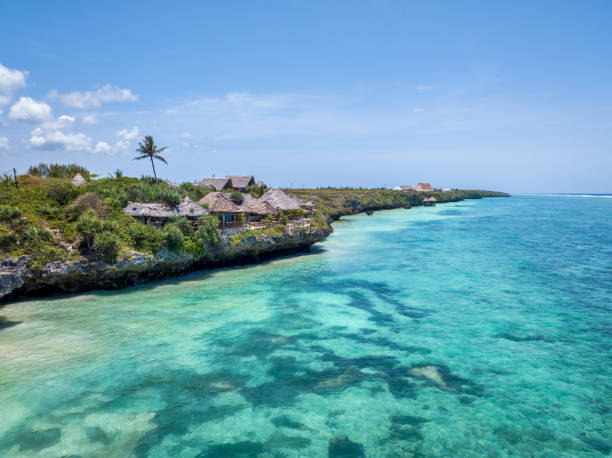
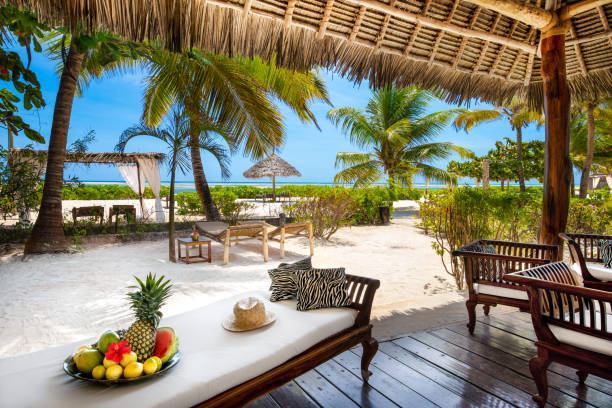
Yes! Many 2027-2028 packages combine Serengeti or Ngorongoro safaris with relaxing beach stays in Zanzibar or Pemba.
Absolutely! Family-friendly safaris include short drives, child-safe accommodations, and educational experiences with wildlife and culture.
The Serengeti (Northern & Central) and Ngorongoro Conservation Area are prime locations to witness the Great Migration In 2027-2028.
Safaris range from 3–14 days. 7–10 days is ideal to visit multiple parks, see wildlife, and enjoy a well-paced experience.
Machame, Marangu, Lemosho, Rongai, and Northern Circuit are popular. Lemosho and Machame offer scenic routes and higher summit success rates.
Yes, guides and porters are required by Tanzanian law. They ensure safety, carry gear, and assist with altitude challenges.
Zanzibar and Pemba offer safe resorts, calm waters, and family activities. Always follow resort safety guidelines for water activities.
Yes, private and custom itineraries allow flexibility in duration, parks, and accommodations for 2027-2028 trips.
Costs vary by duration, accommodation, and inclusions. Budget safaris start around $1,000, while luxury safaris may exceed $5,000.
Most safaris include meals. Kilimanjaro climbs provide full-board meals, including snacks and hot drinks during trekking days.
Lions, elephants, leopards, cheetahs, giraffes, zebras, wildebeest, rhinos, hippos, crocodiles, and exotic birds are common in safaris.
Recommended vaccinations: Yellow Fever, Hepatitis A/B, Tetanus. Malaria prophylaxis is advised for rural safari and trekking regions.
Yes, guided walking safaris are offered in parks like Tarangire and Arusha, allowing close encounters with nature and local flora/fauna.
Tanzania is generally safe. Solo travelers should follow guides’ advice, avoid isolated areas at night, and take standard precautions.
Neutral clothing, trekking shoes, hats, sunglasses, sunscreen, camera, binoculars, swimwear, and light jackets for cooler nights.
Yes! Many 2027-2028 packages include visits to Maasai villages, Hadzabe tribes, and historical sites alongside safaris.
Safaris use 4x4 vehicles with open roofs. Some tours include short domestic flights for park transfers or long-distance itineraries.
Yes. In 2027-2028 Luxury packages provide premium lodges, tents, private guides, personalized meals, and exclusive game drives or trekking services.
Parks like Arusha and Amboseli provide breathtaking views of Kilimanjaro along with wildlife sightings on safari.
It is recommended to book 4–6 months in advance for peak season (June–October) to ensure availability of accommodation and guides.