
Africa - Tanzania Safari Operator
Arusha - Moshi Tanzania
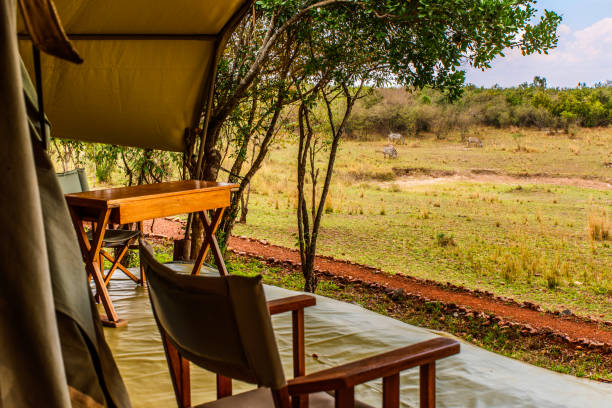
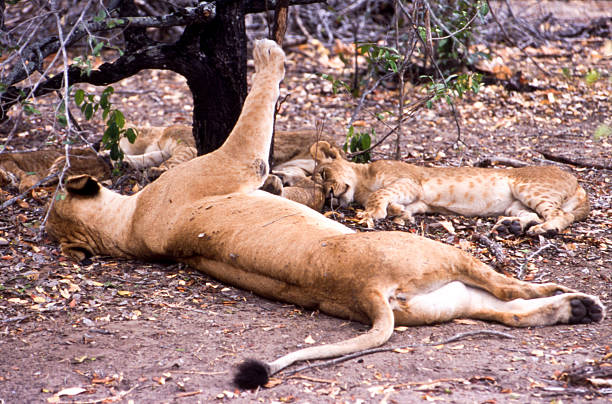
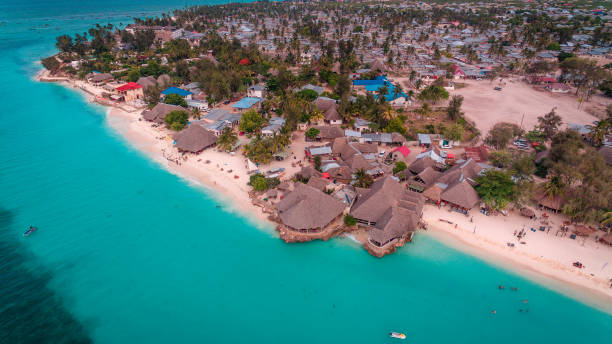
Are you an Australian adventurer looking for an unforgettable wildlife experience without breaking the bank? Look no further than Tanzania, a country renowned for its rich biodiversity and breathtaking landscapes. This article will guide you through the ins and outs of planning an affordable safari adventure in Tanzania, focusing on the years 2027-2028. From detailed day-by-day itineraries to cost breakdowns and expert tips, we've got you covered.
Tanzania is a East African gem, home to some of the world's most iconic national parks and game reserves. From the vast Serengeti plains, where the Great Migration takes place, to the majestic Ngorongoro Crater, a UNESCO World Heritage Site teeming with wildlife, Tanzania offers a safari experience like no other. In this article, we will explore affordable Tanzania safari packages tailored to Australian travelers, ensuring an unforgettable adventure that won't drain your savings.
Witness the incredible spectacle of the Great Migration, where millions of wildebeest, zebras, and gazelles traverse the Serengeti in search of water and fresh grazing lands. This natural wonder is best experienced between July and October, when the herds cross the Mara River, braving crocodile-infested waters in the process.
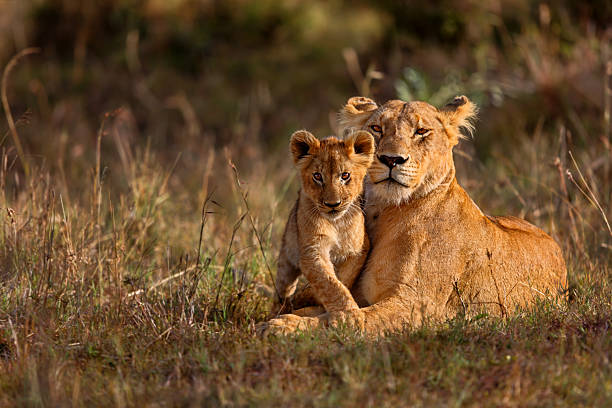
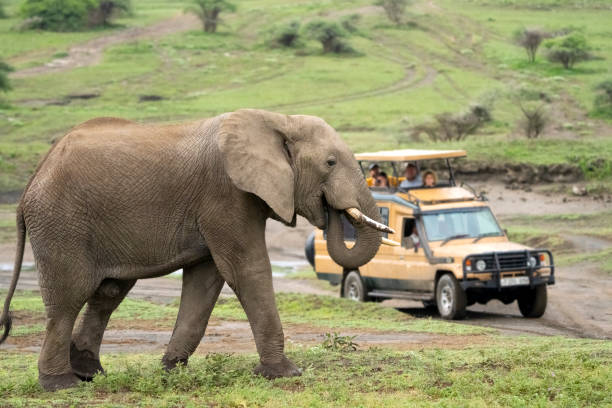
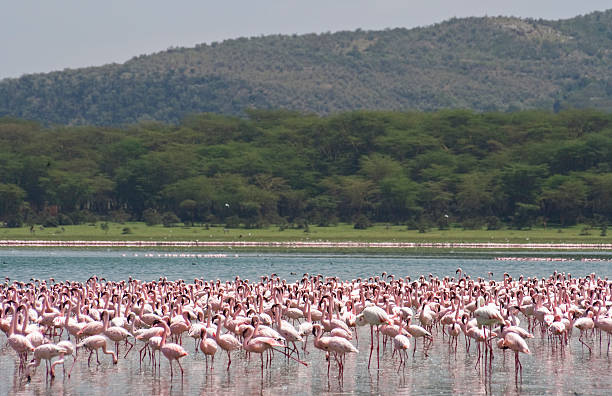
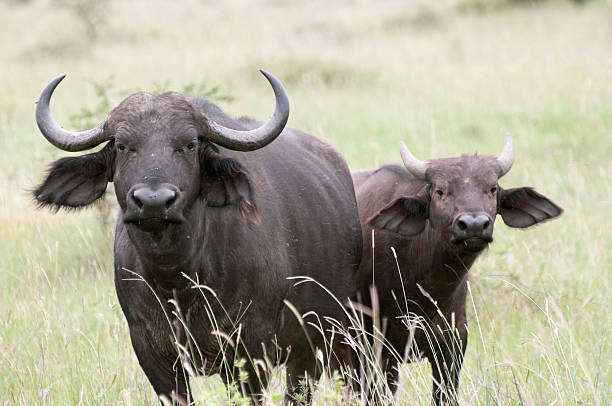
Descend into the Ngorongoro Crater, the world's largest intact volcanic caldera, and marvel at the dense concentration of wildlife. Here, you can spot the Big Five (lion, leopard, rhinoceros, elephant, and Cape buffalo) in a single game drive, along with countless other species, including flamingos and other birdlife.
Visit Lake Manyara National Park, famous for its tree-climbing lions and diverse birdlife. This small but picturesque park offers a chance to see elephants, giraffes, and hippos up close, all while surrounded by lush forests and the stunning backdrop of the Rift Valley.
To help you plan your dream Tanzania safari on a budget, we've put together a sample 10-day itinerary, complete with cost breakdowns and approximate pricing for 2027-2028. Please note that these figures are estimates and may vary depending on factors such as time of year, group size, and accommodation choices.
Upon arrival at Kilimanjaro International Airport, you will be met by a representative and transferred to your accommodation in Arusha. Depending on your arrival time, you can enjoy the hotel's amenities or explore the town. Expect to spend around $50-$100 per person for a mid-range hotel.
After an early breakfast, you will depart for the Serengeti, stopping at the Ngorongoro Conservation Area for a short tour and lunch. Upon arrival in the Serengeti, you will embark on an afternoon game drive. Over the next three days, you will explore the park in search of the Big Five and the Great Migration. A budget-friendly option for a 3-day safari in the Serengeti is around $600-$800 per person, including accommodation, meals, and transportation.
After breakfast, you will depart for the Ngorongoro Crater, where you will spend the day exploring the caldera and observing its diverse wildlife. In the late afternoon, you will ascend the crater rim and transfer to your accommodation. A one-day Ngorongoro Crater safari costs approximately $200-$300 per person, including accommodation, meals, and transportation.
After breakfast, you will depart for Lake Manyara National Park, where you will spend two days exploring the park's diverse landscapes and wildlife. A budget-friendly option for a 2-day safari in Lake Manyara is around $400-$600 per person, including accommodation, meals, and transportation.
After breakfast, you will be transferred back to Arusha, where you can enjoy some last-minute shopping or relax before your departure. Depending on your flight schedule, you may opt to spend an additional night in Arusha, which would cost around $50-$100 per person for a mid-range hotel.
To ensure that your Tanzania safari adventure remains within your budget, consider the following tips for planning affordable Tanzania safari packages:
When comparing affordable Tanzania safari packages, consider the following factors:
The shoulder season, which falls between the high and low seasons, typically offers more affordable rates and thinner crowds. In Tanzania, this period is generally from March to May and November to mid-December.
A budget-friendly Tanzania safari package, including accommodation, meals, transportation, and activities, can range from $2,000 to $3,500 per person for a 10-day itinerary. Prices may vary depending on factors such as time of year, group size, and accommodation choices.
Yes, many tour operators offer customizable safari packages that cater to your preferences and budget. Discuss your requirements with your tour operator to create a tailored itinerary.
Tanzania is generally considered a safe destination for tourists. However, it is essential to take standard precautions, such as avoiding isolated areas, being mindful of your belongings, and following local guidelines and customs.
Yes, it is recommended to be up-to-date with routine vaccinations and to consult with a travel doctor for additional vaccinations, such as yellow fever, hepatitis A and B, and typhoid, depending on your itinerary and personal health history.
Pack lightweight, breathable clothing in neutral colors, a hat, sunglasses, sturdy shoes, insect repellent, sunscreen, a reusable water bottle, and a camera with a good zoom lens for capturing wildlife photos.
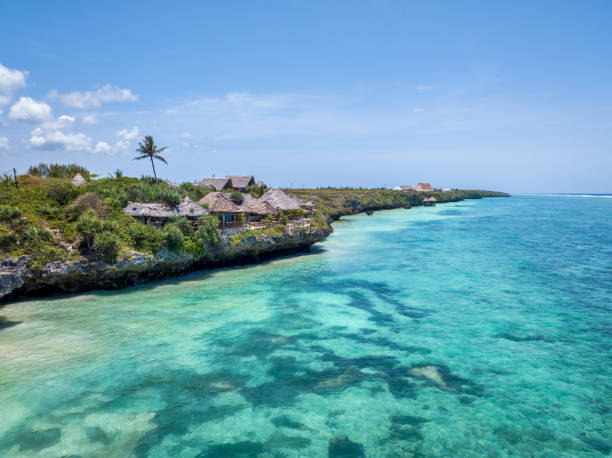
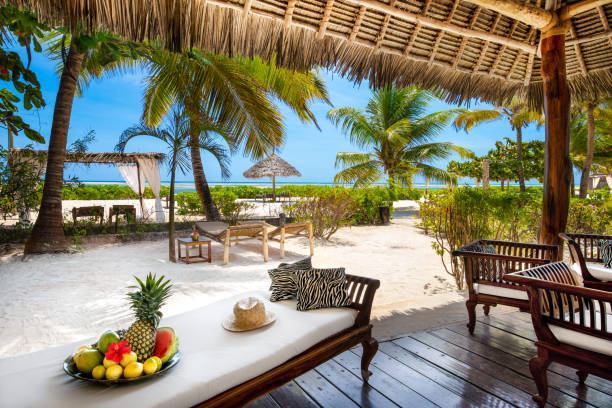
Yes, Tanzania offers beautiful coastal destinations, such as Zanzibar, Pemba, and Mafia Islands, which are perfect for unwinding after a safari adventure. Discuss your interest in combining a safari and beach vacation with your tour operator.
Choose tour operators that prioritize responsible and sustainable tourism practices, support local businesses and communities, and offer fair wages and working conditions for their staff. Additionally, consider purchasing handmade crafts and souvenirs from local artisans and vendors.
By following these guidelines and tips, you can plan an unforgettable and affordable Tanzania safari adventure tailored to Australian travelers in 2027-2028. Enjoy your journey and the incredible wildlife and landscapes that Tanzania has to offer!
 Machame
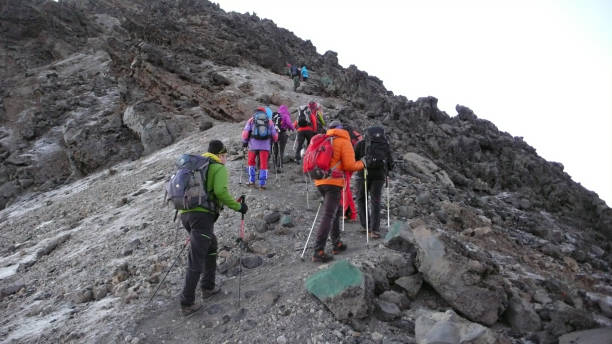
Beginner-friendly Machame Route. Small group trekking for adventure seekers.
 Machame
Whiskey Route with better acclimatization and higher summit success rate.
 Group for Machame
Extended trekking for better acclimatization and higher chance to summit Kilimanjaro.
 Marangu Route Group
Classic “Coca-Cola Route”, moderate trekking experience. Popular for first-timers.
 Marangu Groups
Extended Marangu Route for better acclimatization and a safer summit attempt.
 Join Lemosho Group
Beautiful Lemosho Route through forests and moorlands. Excellent acclimatization for summit success.
 Join Lemosho Group
Longer trek ensures full acclimatization, more scenic experience, higher summit chances.
Find answers to all your questions about Tanzania safaris, Kilimanjaro trekking, beach holidays, cultural tours, and more for your 2027-2028 adventures!
The dry season from June to October is best for wildlife viewing. Wet months (November–May) offer lush scenery and fewer tourists, great for birdwatching.
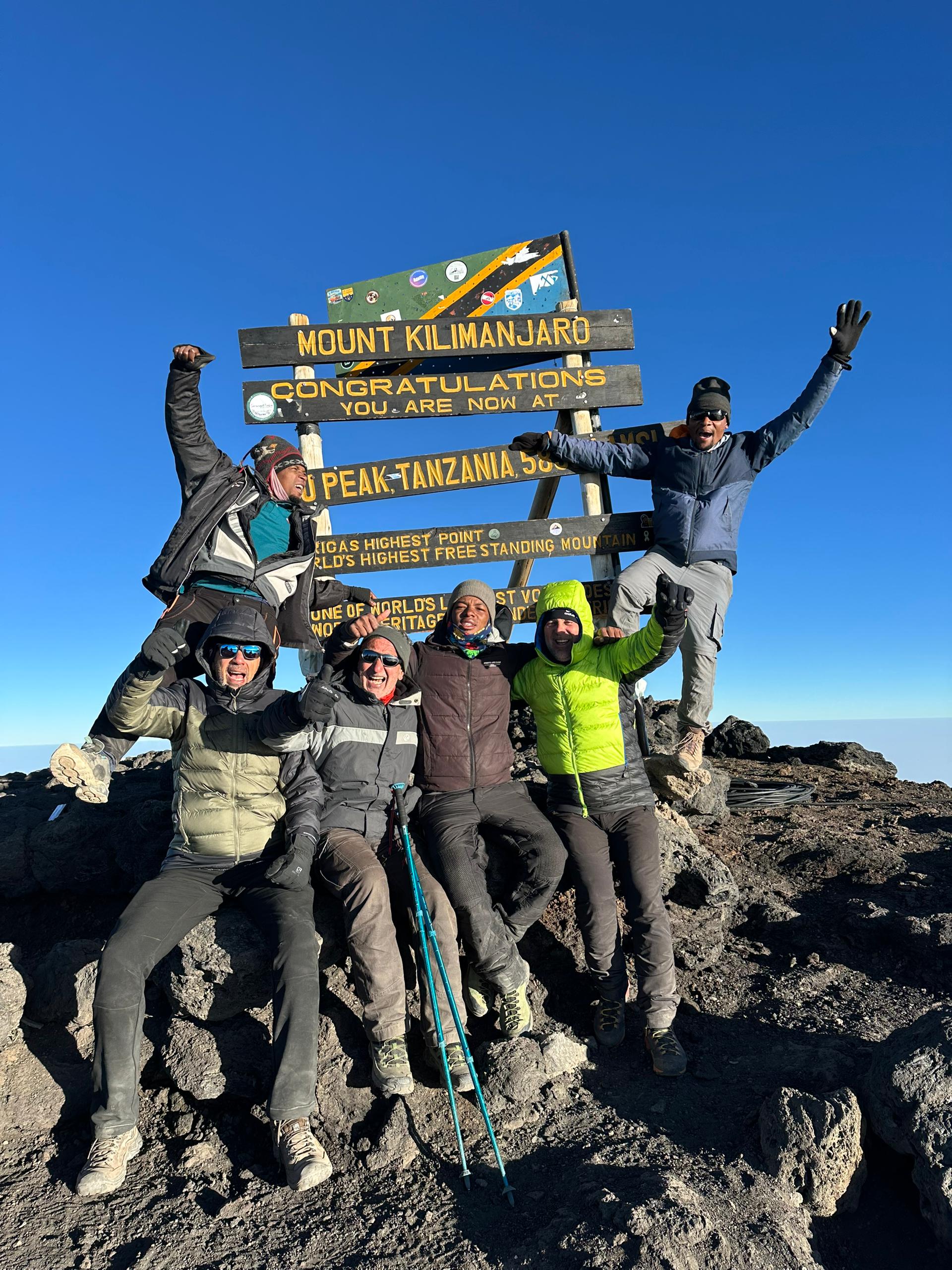
The optimal months are January–March and June–October. These periods have less rain, clearer skies, and better trekking conditions.
Yes! Many 2027-2028 packages combine Serengeti or Ngorongoro safaris with relaxing beach stays in Zanzibar or Pemba.
Absolutely! Family-friendly safaris include short drives, child-safe accommodations, and educational experiences with wildlife and culture.
The Serengeti (Northern & Central) and Ngorongoro Conservation Area are prime locations to witness the Great Migration In 2027-2028.
Safaris range from 3–14 days. 7–10 days is ideal to visit multiple parks, see wildlife, and enjoy a well-paced experience.
Machame, Marangu, Lemosho, Rongai, and Northern Circuit are popular. Lemosho and Machame offer scenic routes and higher summit success rates.
Yes, guides and porters are required by Tanzanian law. They ensure safety, carry gear, and assist with altitude challenges.
Zanzibar and Pemba offer safe resorts, calm waters, and family activities. Always follow resort safety guidelines for water activities.
Yes, private and custom itineraries allow flexibility in duration, parks, and accommodations for 2027-2028 trips.
Costs vary by duration, accommodation, and inclusions. Budget safaris start around $1,000, while luxury safaris may exceed $5,000.
Most safaris include meals. Kilimanjaro climbs provide full-board meals, including snacks and hot drinks during trekking days.
Lions, elephants, leopards, cheetahs, giraffes, zebras, wildebeest, rhinos, hippos, crocodiles, and exotic birds are common in safaris.
Recommended vaccinations: Yellow Fever, Hepatitis A/B, Tetanus. Malaria prophylaxis is advised for rural safari and trekking regions.
Yes, guided walking safaris are offered in parks like Tarangire and Arusha, allowing close encounters with nature and local flora/fauna.
Tanzania is generally safe. Solo travelers should follow guides’ advice, avoid isolated areas at night, and take standard precautions.
Neutral clothing, trekking shoes, hats, sunglasses, sunscreen, camera, binoculars, swimwear, and light jackets for cooler nights.
Yes! Many 2027-2028 packages include visits to Maasai villages, Hadzabe tribes, and historical sites alongside safaris.
Safaris use 4x4 vehicles with open roofs. Some tours include short domestic flights for park transfers or long-distance itineraries.
Yes. In 2027-2028 Luxury packages provide premium lodges, tents, private guides, personalized meals, and exclusive game drives or trekking services.
Parks like Arusha and Amboseli provide breathtaking views of Kilimanjaro along with wildlife sightings on safari.
It is recommended to book 4–6 months in advance for peak season (June–October) to ensure availability of accommodation and guides.