
Africa - Tanzania Safari Operator
Arusha - Moshi Tanzania
Imagine soaring above the vast plains of the Serengeti, witnessing the world-famous wildlife from a bird's eye view. With the Best 2 Days Serengeti Balloon Safari, you can make this dream a reality. This article will provide you with a comprehensive guide to this unforgettable experience, highlighting the itinerary, costs, tips, and everything else you need to know for 2027-2028.
Your Serengeti balloon safari begins early in the morning. After a light breakfast at your lodge, you will be transferred to the launch site. Here, you will receive a safety briefing and watch as the balloon is inflated. As the sun rises, you will take off, drifting above the awakening savannah.
The balloon safari lasts approximately one hour. You'll float over the plains, spotting wildlife such as wildebeest, zebras, and maybe even the elusive leopard. After landing, you will enjoy a champagne breakfast in the middle of the bush, complete with a certificate presentation to commemorate your flight.
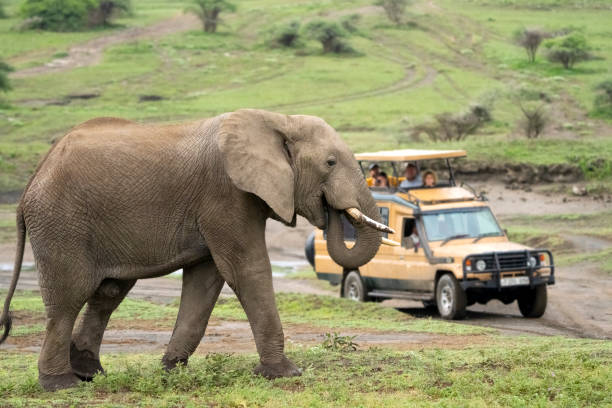
The second day of your safari is dedicated to game drives. You'll explore the Serengeti in a 4x4 vehicle, guided by a knowledgeable and experienced ranger. This is your chance to get up close and personal with the wildlife you saw from above the previous day. After a full day of adventure, you'll return to your lodge for a well-deserved rest.
The cost of the Best 2 Days Serengeti Balloon Safari varies depending on the time of year and the type of accommodation you choose. On average, you can expect to pay between $1000 and $2000 per person for the entire experience. This includes the balloon safari, game drives, meals, and accommodation.
There are several packages available, ranging from budget to luxury. The budget package includes basic accommodation and shared game drives, while the luxury package offers lavish lodges and private vehicles. No matter your budget, there's a Serengeti balloon safari package that's perfect for you.
When comparing different Serengeti balloon safaris, consider the following factors: cost, duration, itinerary, and accommodation. Some safaris may be cheaper but shorter, while others may be more expensive but offer a more comprehensive itinerary. Also, consider the type of accommodation. Luxury lodges offer a more comfortable experience, but they come at a higher price.
The Best 2 Days Serengeti Balloon Safari can be enjoyed year-round, but the best time to go is during the dry season, which runs from June to October. During this time, the wildlife congregates around water sources, making for better game viewing.
Yes, a Serengeti balloon safari is safe. The balloons are regularly inspected and maintained, and the pilots are highly trained and experienced. However, as with any adventure activity, there is a certain level of risk involved.
Dress comfortably and in layers. The temperature can fluctuate greatly during the balloon ride. Wear sturdy shoes, a hat, and sunglasses. Also, bring a good camera and binoculars.
Yes, children over the age of 7 are welcome on Serengeti balloon safaris. However, they must be accompanied by an adult.
The balloon safari itself lasts approximately one hour. However, the entire experience, including the transfer to the launch site, safety briefing, and champagne breakfast, can last up to four hours.
The Best 2 Days Serengeti Balloon Safari is an experience of a lifetime. Soaring above the Serengeti, witnessing the incredible wildlife from a unique perspective, is an adventure you'll never forget. With this guide, you're now equipped with all the information you need to plan and enjoy your Serengeti balloon safari in 2027-2028.
 Machame
Beginner-friendly Machame Route. Small group trekking for adventure seekers.
 Machame
Whiskey Route with better acclimatization and higher summit success rate.
 Group for Machame
Extended trekking for better acclimatization and higher chance to summit Kilimanjaro.
 Marangu Route Group
Classic “Coca-Cola Route”, moderate trekking experience. Popular for first-timers.
 Marangu Groups
Extended Marangu Route for better acclimatization and a safer summit attempt.
 Join Lemosho Group
Beautiful Lemosho Route through forests and moorlands. Excellent acclimatization for summit success.
 Join Lemosho Group
Longer trek ensures full acclimatization, more scenic experience, higher summit chances.
Find answers to all your questions about Tanzania safaris, Kilimanjaro trekking, beach holidays, cultural tours, and more for your 2027-2028 adventures!
The dry season from June to October is best for wildlife viewing. Wet months (November–May) offer lush scenery and fewer tourists, great for birdwatching.
The optimal months are January–March and June–October. These periods have less rain, clearer skies, and better trekking conditions.
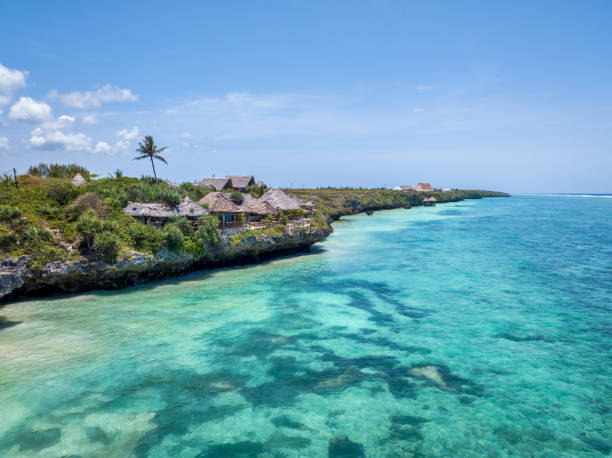
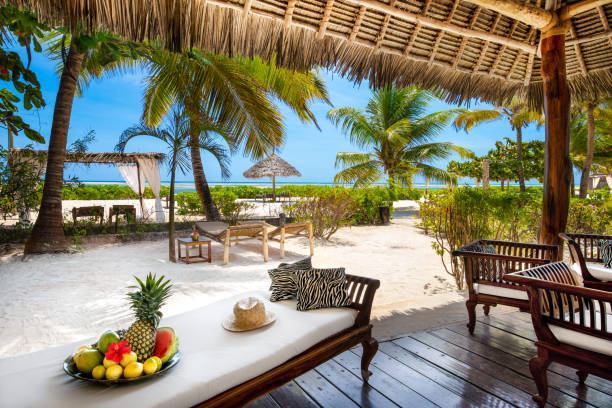
Yes! Many 2027-2028 packages combine Serengeti or Ngorongoro safaris with relaxing beach stays in Zanzibar or Pemba.
Absolutely! Family-friendly safaris include short drives, child-safe accommodations, and educational experiences with wildlife and culture.
The Serengeti (Northern & Central) and Ngorongoro Conservation Area are prime locations to witness the Great Migration In 2027-2028.
Safaris range from 3–14 days. 7–10 days is ideal to visit multiple parks, see wildlife, and enjoy a well-paced experience.
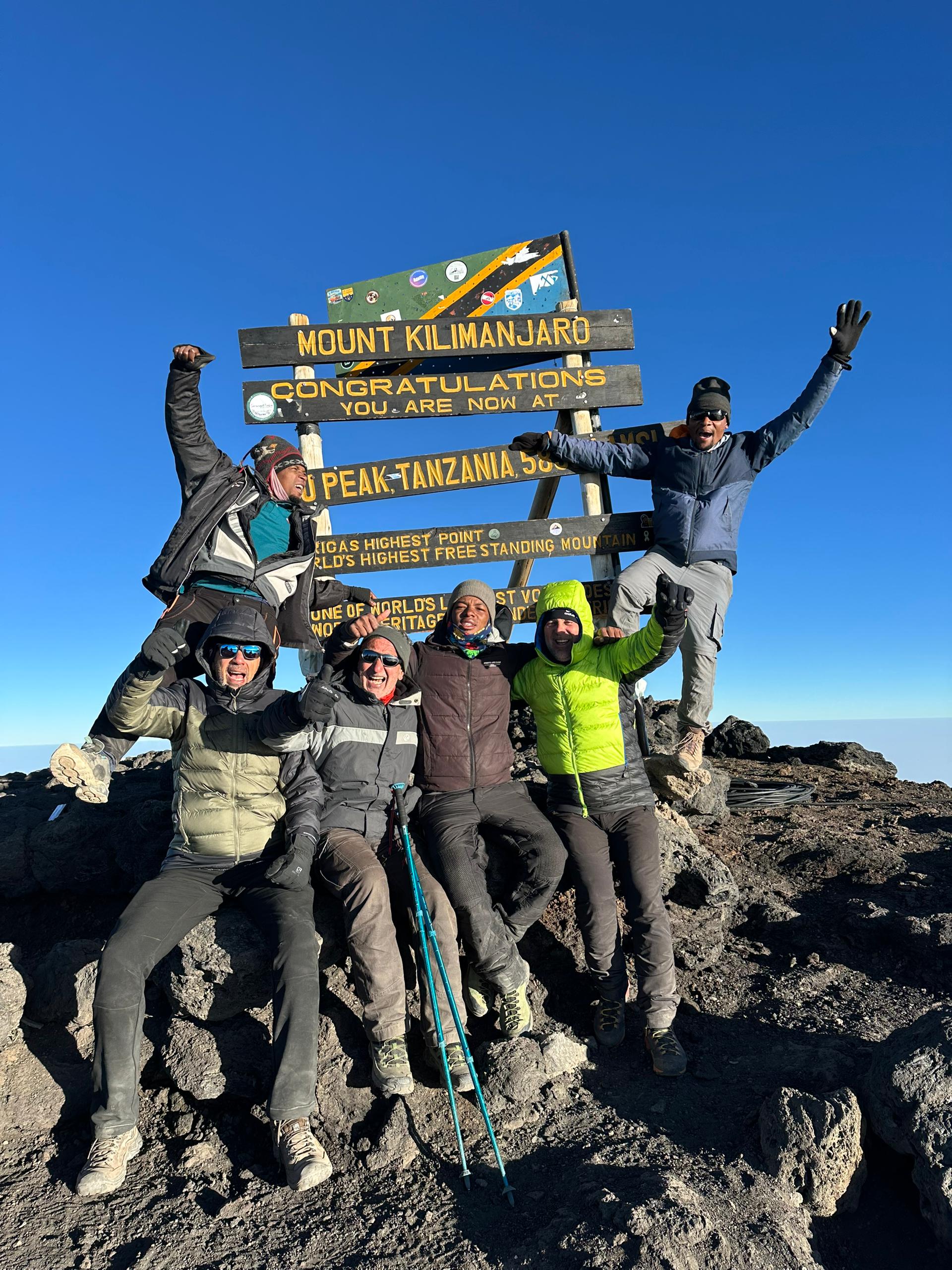
Machame, Marangu, Lemosho, Rongai, and Northern Circuit are popular. Lemosho and Machame offer scenic routes and higher summit success rates.
Yes, guides and porters are required by Tanzanian law. They ensure safety, carry gear, and assist with altitude challenges.
Zanzibar and Pemba offer safe resorts, calm waters, and family activities. Always follow resort safety guidelines for water activities.
Yes, private and custom itineraries allow flexibility in duration, parks, and accommodations for 2027-2028 trips.
Costs vary by duration, accommodation, and inclusions. Budget safaris start around $1,000, while luxury safaris may exceed $5,000.
Most safaris include meals. Kilimanjaro climbs provide full-board meals, including snacks and hot drinks during trekking days.
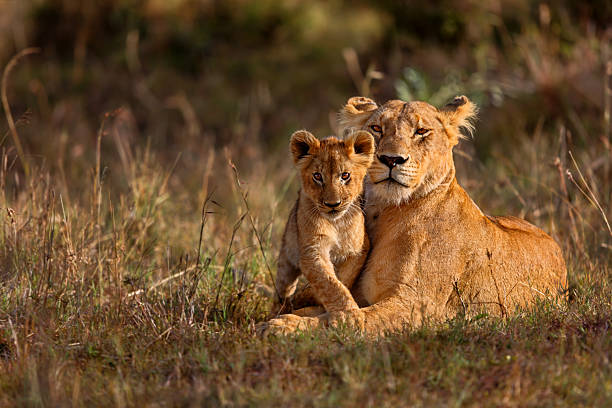
Lions, elephants, leopards, cheetahs, giraffes, zebras, wildebeest, rhinos, hippos, crocodiles, and exotic birds are common in safaris.
Recommended vaccinations: Yellow Fever, Hepatitis A/B, Tetanus. Malaria prophylaxis is advised for rural safari and trekking regions.
Yes, guided walking safaris are offered in parks like Tarangire and Arusha, allowing close encounters with nature and local flora/fauna.
Tanzania is generally safe. Solo travelers should follow guides’ advice, avoid isolated areas at night, and take standard precautions.
Neutral clothing, trekking shoes, hats, sunglasses, sunscreen, camera, binoculars, swimwear, and light jackets for cooler nights.
Yes! Many 2027-2028 packages include visits to Maasai villages, Hadzabe tribes, and historical sites alongside safaris.
Safaris use 4x4 vehicles with open roofs. Some tours include short domestic flights for park transfers or long-distance itineraries.
Yes. In 2027-2028 Luxury packages provide premium lodges, tents, private guides, personalized meals, and exclusive game drives or trekking services.
Parks like Arusha and Amboseli provide breathtaking views of Kilimanjaro along with wildlife sightings on safari.
It is recommended to book 4–6 months in advance for peak season (June–October) to ensure availability of accommodation and guides.