
Africa - Tanzania Safari Operator
Arusha - Moshi Tanzania
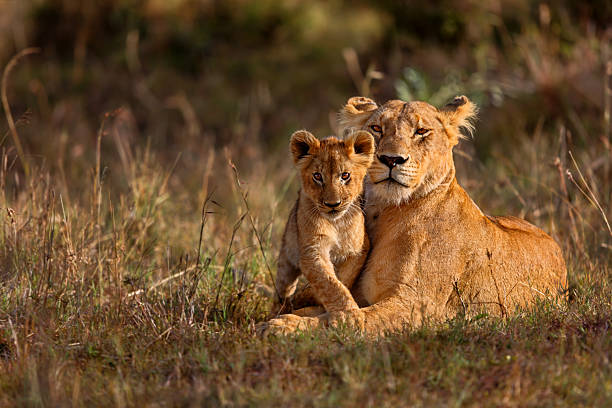
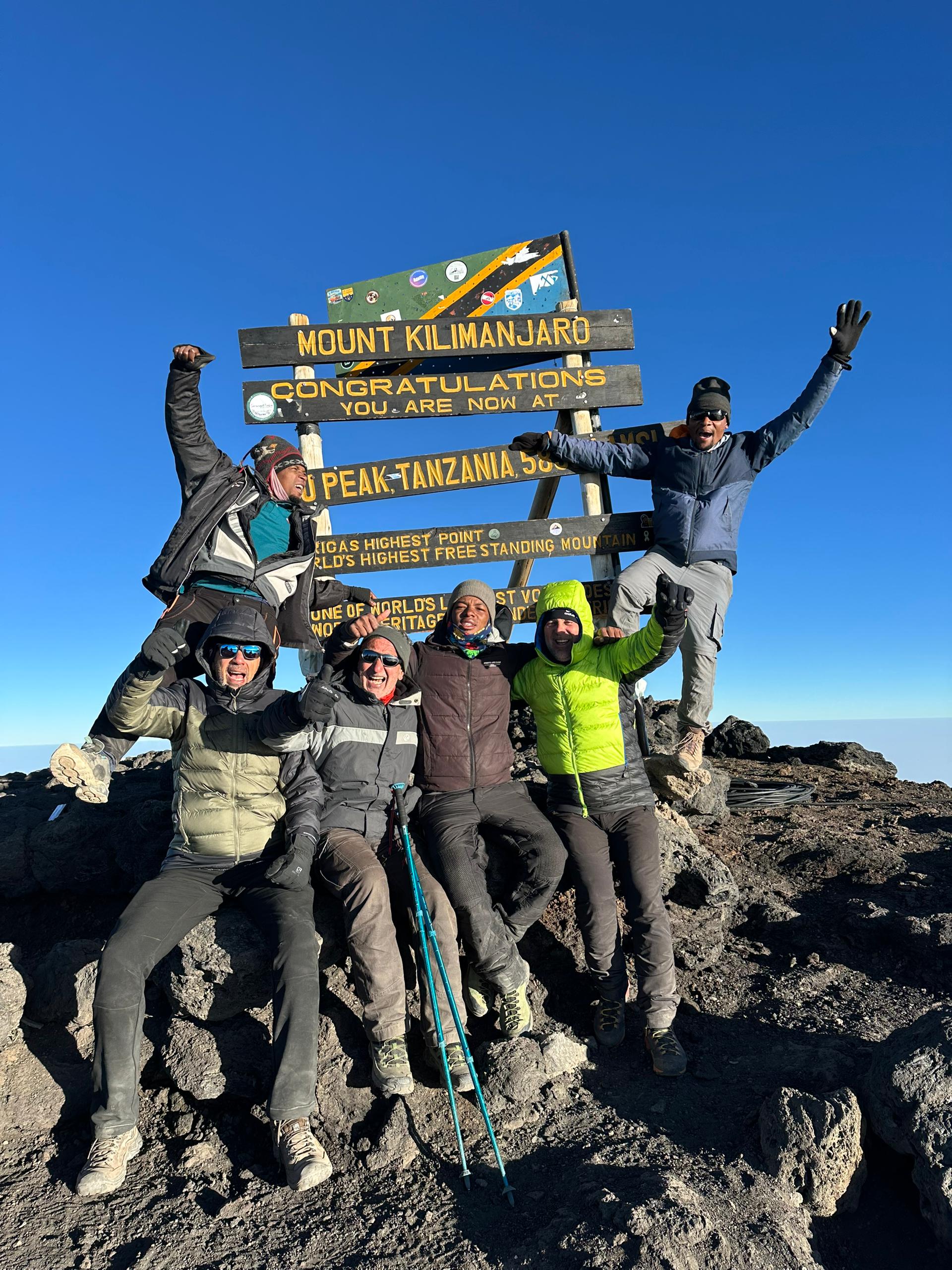
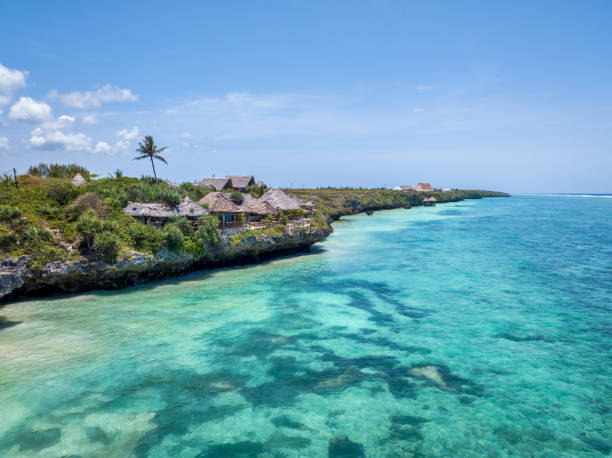
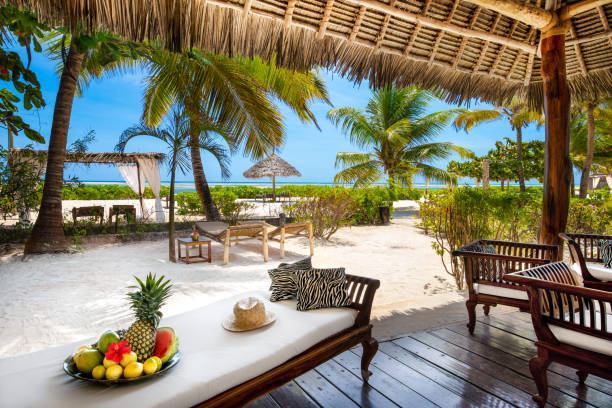
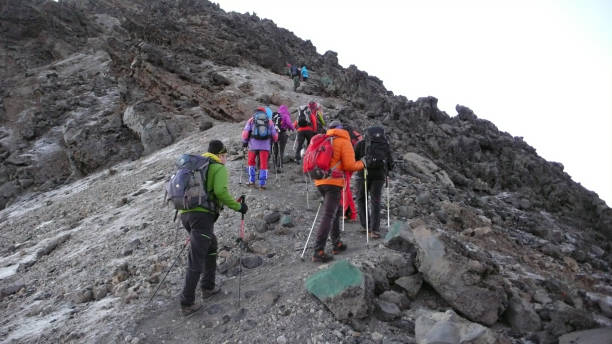
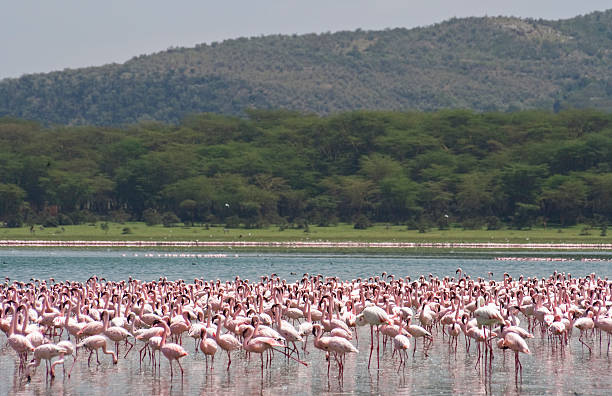
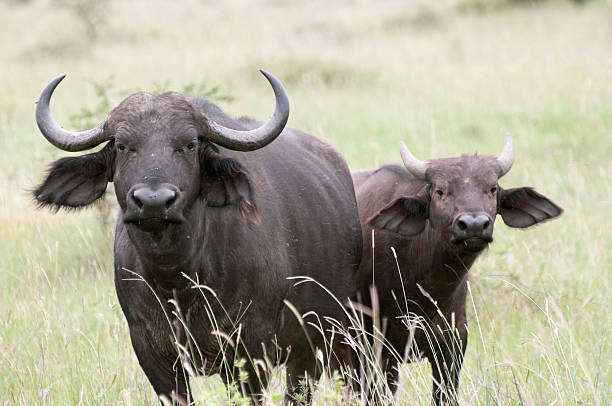
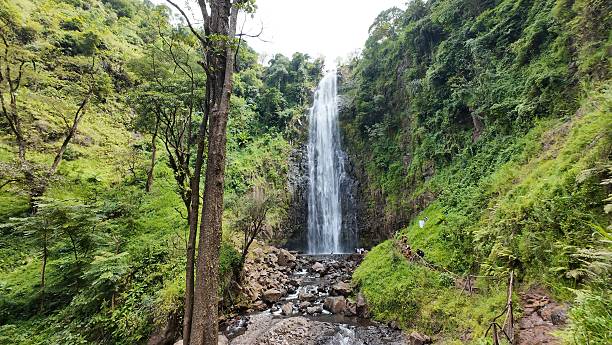
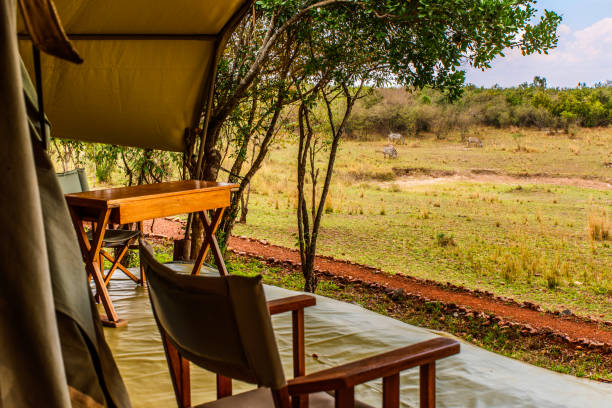
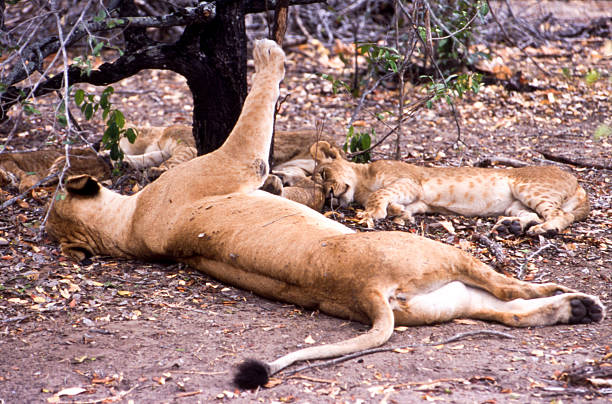
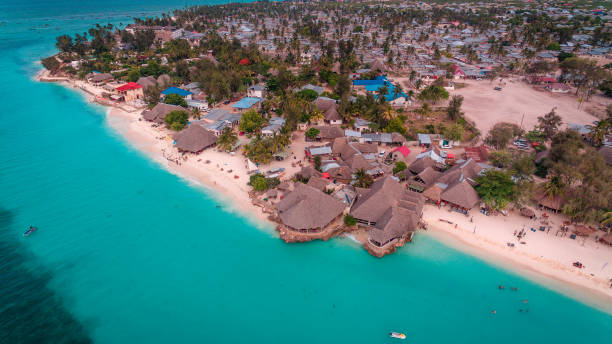
Saadani National Park, a hidden gem nestled along Tanzania's Indian Ocean coast, offers a unique blend of wildlife viewing and pristine beaches. Unlike other Tanzanian parks famed solely for their safari experiences, Saadani provides a captivating fusion of land and sea adventures. But to fully maximize your experience, understanding the best time to visit Saadani National Park is crucial. This comprehensive guide will delve into the ideal months for wildlife spotting, beach relaxation, and overall enjoyment, ensuring your trip to Saadani in 2024, 2025, 2027-2028 and beyond is unforgettable.
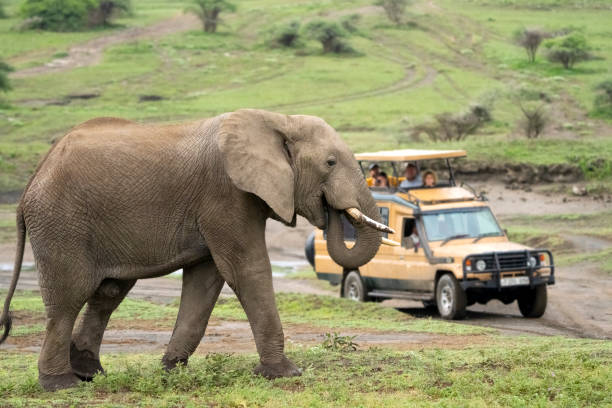
The wildlife in Saadani National Park is diverse and fascinating. Elephants, buffaloes, giraffes, and various antelope species roam the park's savannas. The coastal location brings a unique twist, with the possibility of spotting hippos in the Wami River, a crucial artery of the park. Furthermore, the park's proximity to the ocean introduces a unique coastal element to wildlife viewing. The combination of these factors makes the decision of when to visit Saadani National Park more intricate than in many other game reserves.
The dry season, spanning from June to October, generally presents the best opportunities for wildlife viewing in Saadani National Park. During these months, vegetation is sparse, making animals easier to spot. Water sources become concentrated, leading to increased animal activity around these vital areas. This is particularly true for 2024, 2025, 2027-2028, and indeed in the years following. You’ll have a higher chance of witnessing impressive herds of elephants gathered around waterholes and lions hunting in the open grasslands. The months of July, August, and September are often considered peak season for wildlife viewing in Saadani National Park.
While the wet season (November to May) offers a different kind of beauty with lush greenery, animal sightings can be more challenging due to the dense vegetation. However, the park still holds its appeal. Birding enthusiasts, for instance, will find the wet season particularly rewarding, as many migratory birds arrive during this time, creating a vibrant and diverse avian spectacle. Rainfall can also create stunning landscapes and offer a quieter, more intimate Saadani National Park experience, perfect for those seeking a less crowded adventure in 2027-2028.
Saadani National Park's unique selling point is its stunning coastline. The pristine beaches, stretching along the Indian Ocean, provide a tranquil escape from the thrill of game drives. The best time to enjoy the beaches is during the dry season (June to October). The weather is warm and sunny, perfect for swimming, sunbathing, and simply relaxing on the soft sands. The calm seas during these months also make it ideal for water activities like snorkeling and kayaking. Imagine yourself enjoying the sunset over the ocean after a thrilling safari – a unique Saadani National Park experience you won't find anywhere else. Planning your trip for 2027-2028 during the dry season guarantees the most beach time.
While the beaches are accessible year-round, the wet season (November to May) brings heavier rainfall and potentially rougher seas. This doesn't necessarily preclude beach visits, but swimming and other water activities may be less enjoyable. Nonetheless, the raw beauty of the coastline remains captivating throughout the year, offering a peaceful respite from wildlife viewing adventures, even during the rainy months. For those seeking a more secluded beach experience, the wet season might be surprisingly ideal in Saadani National Park.
For the ultimate Saadani National Park experience, combining wildlife viewing and beach relaxation is essential. The dry season (June to October) provides the best compromise. You can spend your mornings on exciting game drives, spotting diverse wildlife and in the afternoon unwind on the idyllic beaches, enjoying the warm sun and stunning ocean views. A well-planned itinerary can seamlessly integrate both experiences, ensuring a balanced and memorable trip. Remember that this applies equally to visits in 2024, 2025, 2027-2028 and beyond.
Many tour operators offer packages combining safari activities and beach stays. These packages often include accommodation in lodges or camps located near both the park and the beach. These allow you to easily transition between wildlife viewing and beach relaxation, making the most of your time in Saadani National Park.
The shoulder seasons – April/May and September/October – often present a sweet spot. Wildlife sightings are still good, as animals are still concentrated around water sources before the rains significantly alter the landscape. The crowds are typically smaller than during the peak months of July and August, offering a more peaceful experience. Also, the prices may be slightly lower during the shoulder seasons. Considering a trip to Saadani National Park during these shoulder seasons in 2027-2028 could prove to be an excellent choice.
While Saadani National Park is less crowded than other major Tanzanian parks, the peak months (July and August) still attract a considerable number of visitors. To avoid the crowds, consider visiting during the shoulder seasons (April/May and September/October) or even parts of the wet season (November to May). This strategic planning will allow you to enjoy a more intimate and personalized experience. Your trip to Saadani National Park in 2027-2028 will be significantly less hectic if you opt for the less popular times.
A1: July, August, and September are generally considered the best months for wildlife viewing in Saadani National Park due to the dry season and concentrated animal activity around water sources. This holds true for 2027-2028.
A2: June to October offers the best beach weather in Saadani National Park with warm sunshine and calm seas, ideal for swimming and other water activities.
A3: Yes, you can visit Saadani National Park during the wet season (November to May). While wildlife sightings might be more challenging, the lush greenery and fewer crowds offer a different kind of appeal. Birding is particularly rewarding during these months.
A4: Saadani National Park offers a range of accommodation options, from comfortable lodges and tented camps to more basic campsites. Many options are close to both the park and the beach.
A5: You can reach Saadani National Park by road from Dar es Salaam or by a combination of road and boat. Several tour operators offer transport as part of their packages.
A6: Pack light, comfortable clothing suitable for both safari and beach activities. Essential items include sunscreen, insect repellent, a hat, sunglasses, swimwear, and comfortable walking shoes. Remember that for a trip in 2027-2028, you should check the weather forecasts close to your date of departure.
A7: Consult your doctor about necessary vaccinations and malaria prophylaxis. It’s recommended to drink bottled water and take precautions against mosquito bites.
A8: The cost of a trip to Saadani National Park varies depending on the length of your stay, accommodation choice, and type of activities included. Expect a range of prices based on your preferences for 2027-2028.
Planning your trip to Saadani National Park, whether for 2024, 2025, 2027-2028 or beyond, requires considering your priorities. By understanding the nuances of the seasons and weighing the pros and cons, you can craft an itinerary that perfectly balances wildlife encounters with beach relaxation, creating an unforgettable Tanzanian adventure.
 Machame
Beginner-friendly Machame Route. Small group trekking for adventure seekers.
 Machame
Whiskey Route with better acclimatization and higher summit success rate.
 Group for Machame
Extended trekking for better acclimatization and higher chance to summit Kilimanjaro.
 Marangu Route Group
Classic “Coca-Cola Route”, moderate trekking experience. Popular for first-timers.
 Marangu Groups
Extended Marangu Route for better acclimatization and a safer summit attempt.
 Join Lemosho Group
Beautiful Lemosho Route through forests and moorlands. Excellent acclimatization for summit success.
 Join Lemosho Group
Longer trek ensures full acclimatization, more scenic experience, higher summit chances.
Find answers to all your questions about Tanzania safaris, Kilimanjaro trekking, beach holidays, cultural tours, and more for your 2027-2028 adventures!
The dry season from June to October is best for wildlife viewing. Wet months (November–May) offer lush scenery and fewer tourists, great for birdwatching.
The optimal months are January–March and June–October. These periods have less rain, clearer skies, and better trekking conditions.
Yes! Many 2027-2028 packages combine Serengeti or Ngorongoro safaris with relaxing beach stays in Zanzibar or Pemba.
Absolutely! Family-friendly safaris include short drives, child-safe accommodations, and educational experiences with wildlife and culture.
The Serengeti (Northern & Central) and Ngorongoro Conservation Area are prime locations to witness the Great Migration In 2027-2028.
Safaris range from 3–14 days. 7–10 days is ideal to visit multiple parks, see wildlife, and enjoy a well-paced experience.
Machame, Marangu, Lemosho, Rongai, and Northern Circuit are popular. Lemosho and Machame offer scenic routes and higher summit success rates.
Yes, guides and porters are required by Tanzanian law. They ensure safety, carry gear, and assist with altitude challenges.
Zanzibar and Pemba offer safe resorts, calm waters, and family activities. Always follow resort safety guidelines for water activities.
Yes, private and custom itineraries allow flexibility in duration, parks, and accommodations for 2027-2028 trips.
Costs vary by duration, accommodation, and inclusions. Budget safaris start around $1,000, while luxury safaris may exceed $5,000.
Most safaris include meals. Kilimanjaro climbs provide full-board meals, including snacks and hot drinks during trekking days.
Lions, elephants, leopards, cheetahs, giraffes, zebras, wildebeest, rhinos, hippos, crocodiles, and exotic birds are common in safaris.
Recommended vaccinations: Yellow Fever, Hepatitis A/B, Tetanus. Malaria prophylaxis is advised for rural safari and trekking regions.
Yes, guided walking safaris are offered in parks like Tarangire and Arusha, allowing close encounters with nature and local flora/fauna.
Tanzania is generally safe. Solo travelers should follow guides’ advice, avoid isolated areas at night, and take standard precautions.
Neutral clothing, trekking shoes, hats, sunglasses, sunscreen, camera, binoculars, swimwear, and light jackets for cooler nights.
Yes! Many 2027-2028 packages include visits to Maasai villages, Hadzabe tribes, and historical sites alongside safaris.
Safaris use 4x4 vehicles with open roofs. Some tours include short domestic flights for park transfers or long-distance itineraries.
Yes. In 2027-2028 Luxury packages provide premium lodges, tents, private guides, personalized meals, and exclusive game drives or trekking services.
Parks like Arusha and Amboseli provide breathtaking views of Kilimanjaro along with wildlife sightings on safari.
It is recommended to book 4–6 months in advance for peak season (June–October) to ensure availability of accommodation and guides.