
Africa - Tanzania Safari Operator
Arusha - Moshi Tanzania
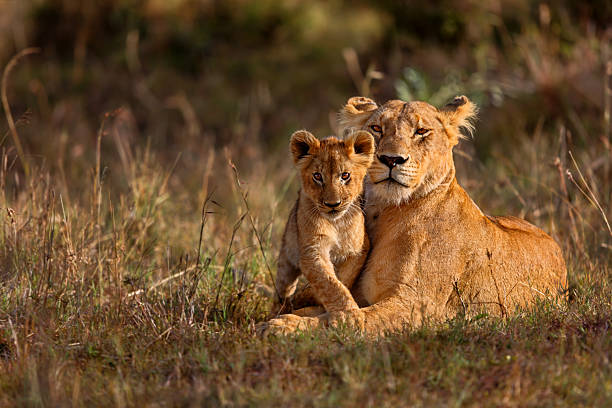
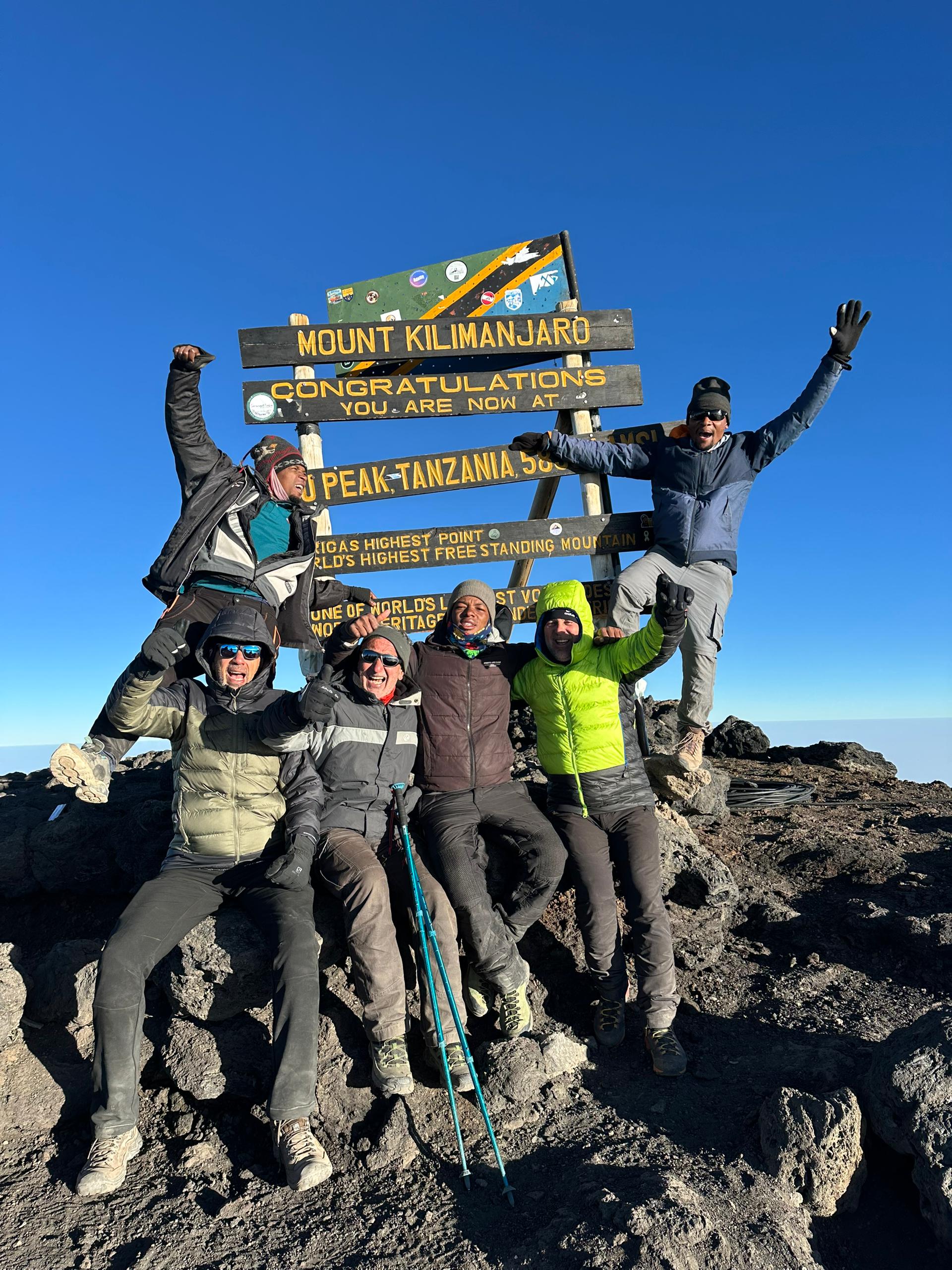
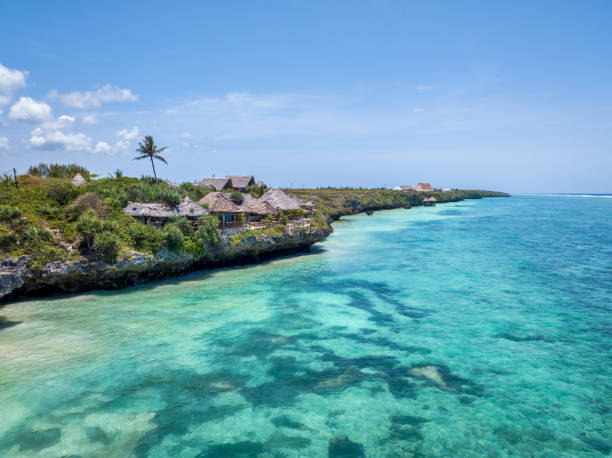

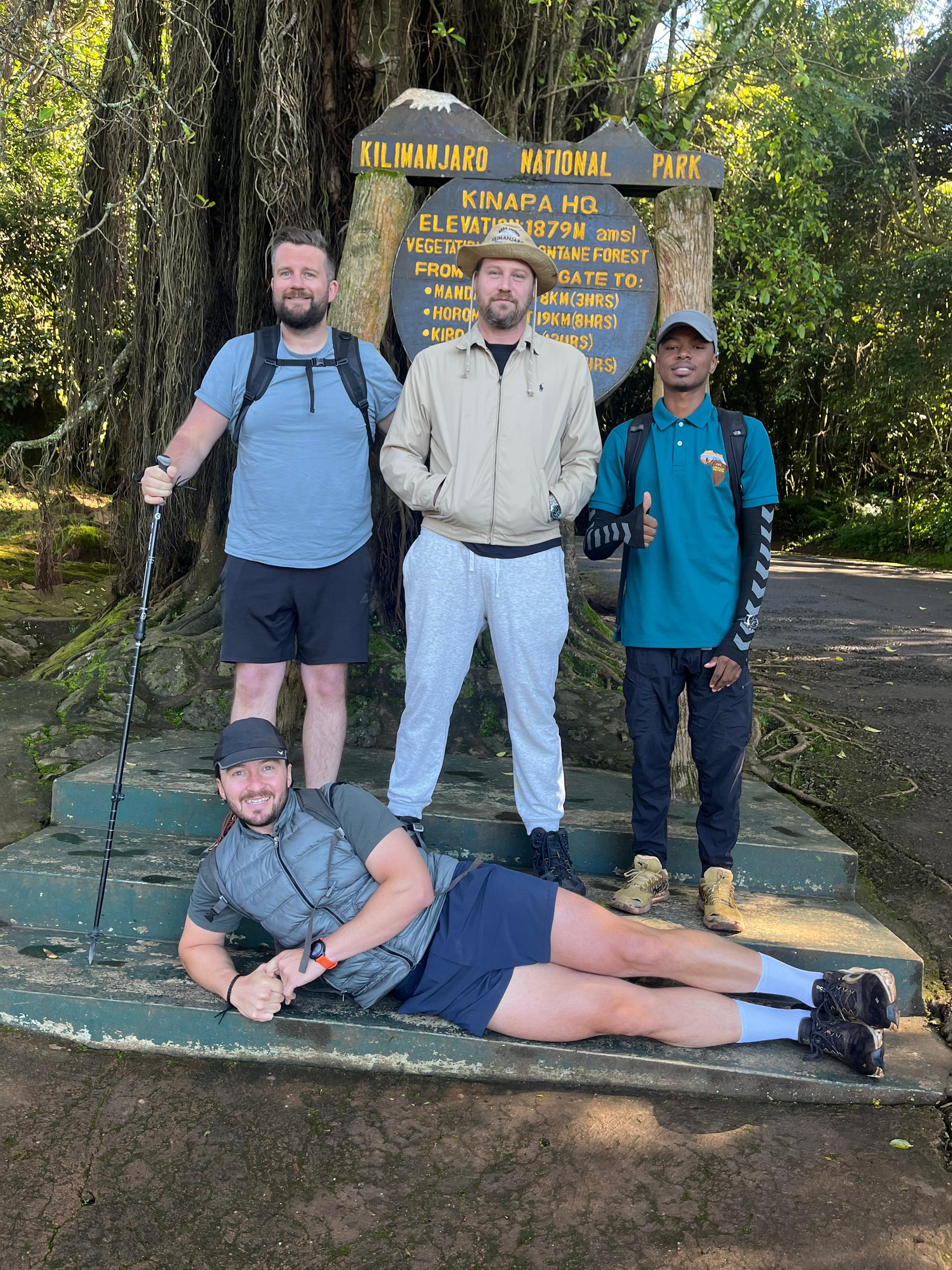
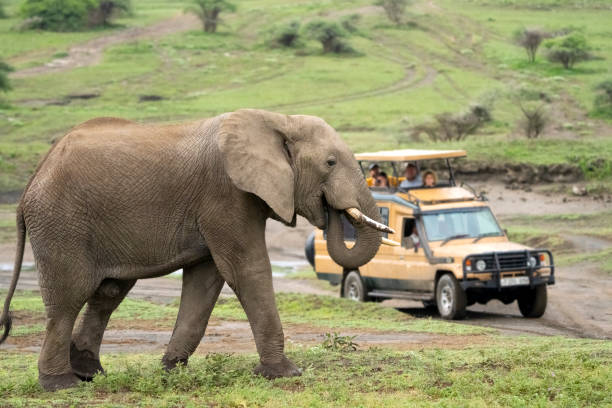
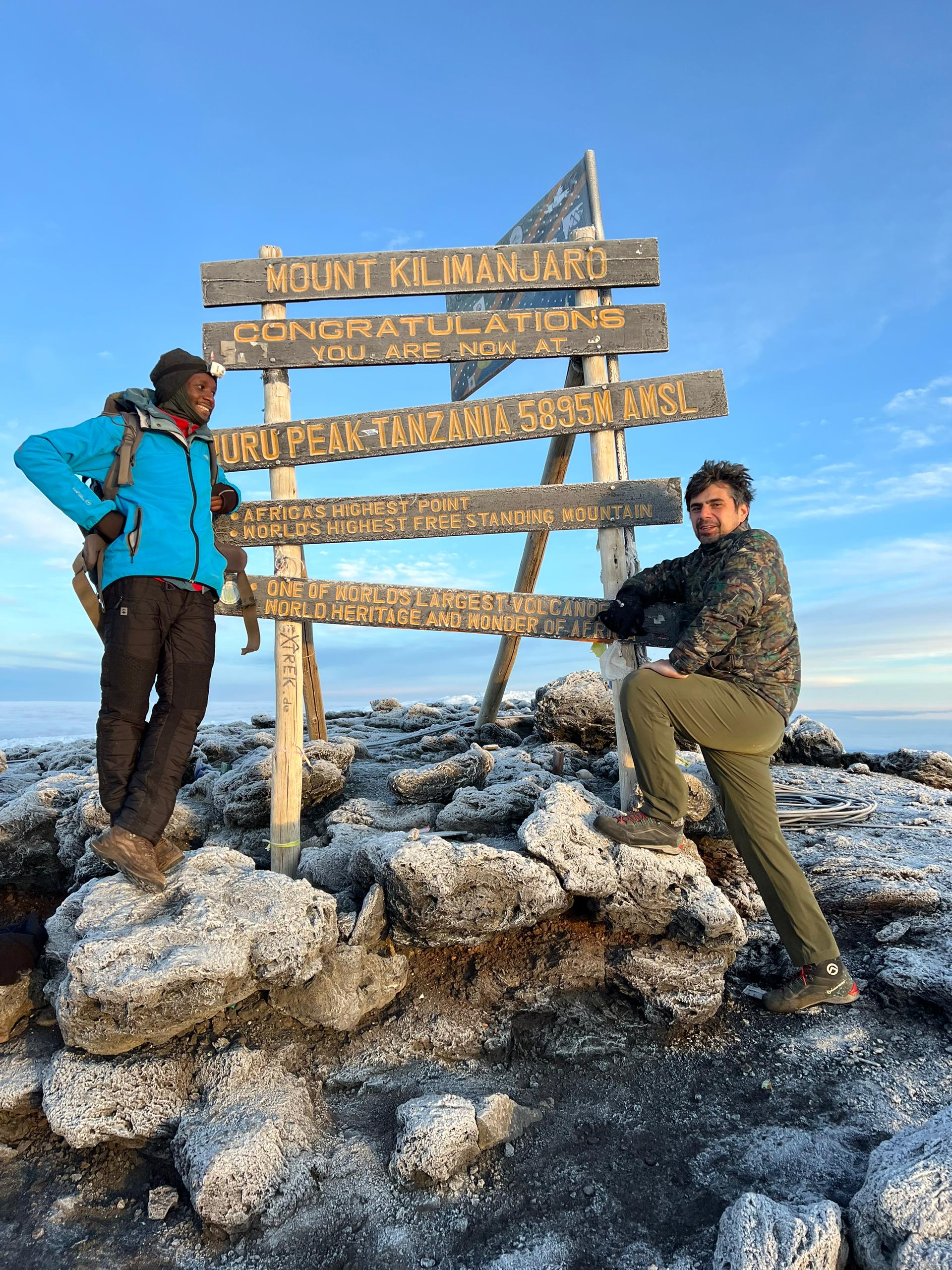

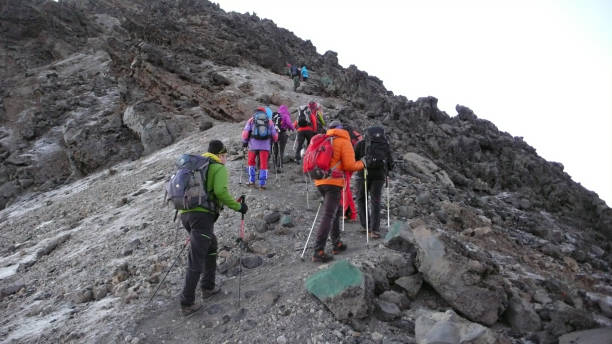
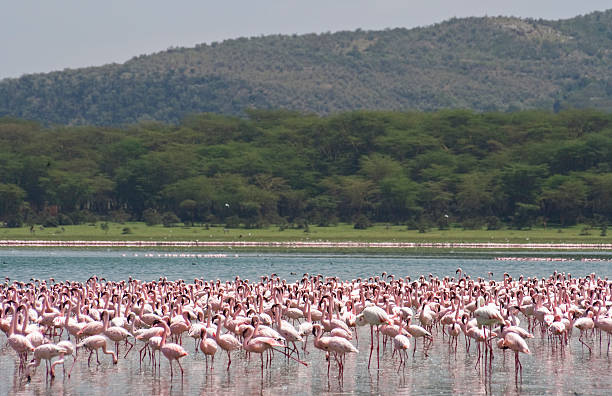
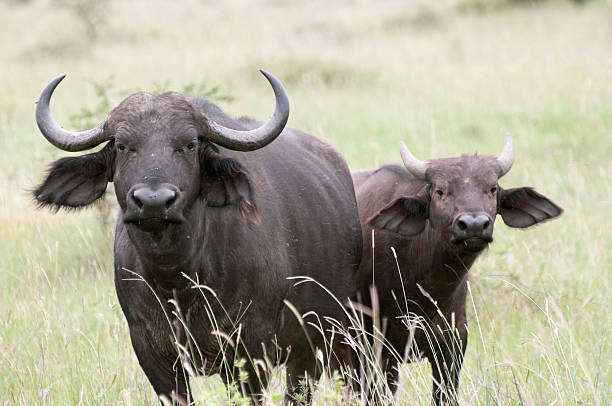
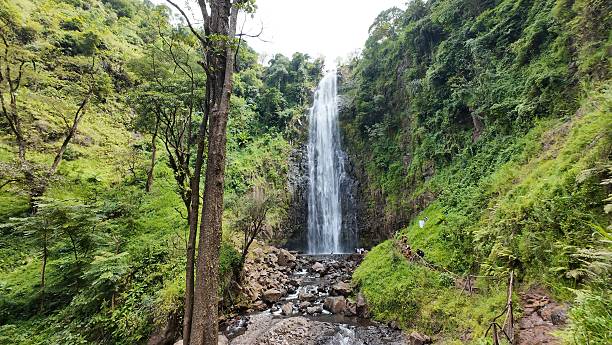
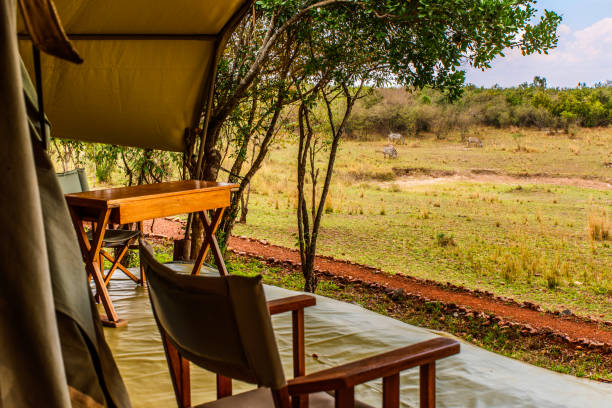
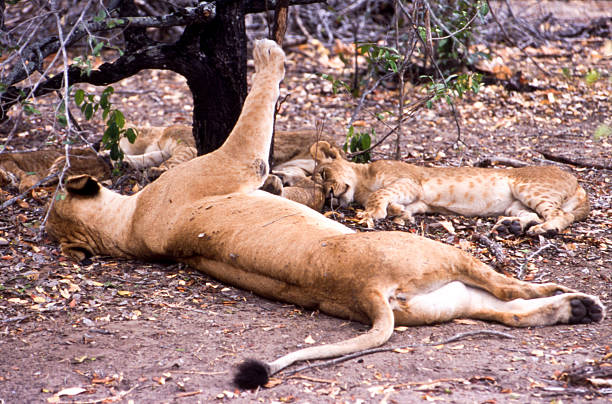
Tanzania boasts some of Africa's most breathtaking national parks, and Ruaha and Katavi stand out as havens of biodiversity. These parks, teeming with wildlife and possessing unique ecosystems, are constantly in need of dedicated individuals to aid in their preservation. If you're passionate about wildlife conservation and seeking impactful conservation volunteering opportunities in Ruaha and Katavi for the 2027-2028 period, you've come to the right place. This comprehensive guide will delve into the various opportunities available, highlighting the importance of these parks and the ways you can contribute to their long-term sustainability.
Ruaha National Park, known for its vast size and incredible wildlife density, offers unparalleled conservation volunteering opportunities. It's home to the largest population of elephants in Tanzania and supports a remarkable diversity of other species, including lions, leopards, cheetahs, and a wide array of birdlife. Katavi National Park, while less visited, presents a unique ecosystem characterized by its stunning floodplains and exceptional concentrations of hippos and crocodiles. Both parks face challenges like poaching, habitat loss, and human-wildlife conflict, making conservation volunteering crucial for their future.
Volunteering in these parks allows you to directly contribute to vital conservation efforts. You'll gain invaluable hands-on experience, contributing to research projects, anti-poaching patrols, community engagement programs, and habitat restoration initiatives. The conservation volunteering opportunities in Ruaha and Katavi during 2027-2028 promise a rewarding experience that combines personal growth with meaningful environmental impact. You'll be working alongside experienced conservationists and making a tangible difference in preserving these incredible ecosystems for future generations. The opportunity to witness the raw beauty of these parks while contributing to their survival is unparalleled.
Many conservation volunteering opportunities in Ruaha and Katavi focus on wildlife monitoring. Volunteers participate in crucial research projects, collecting data on animal populations, behavior, and habitat use. This data is essential for understanding the dynamics of these ecosystems and informing effective conservation strategies. You might be involved in tracking animals, conducting camera trap surveys, or assisting with population counts. The data you help collect during your conservation volunteering will directly contribute to the management and protection of these parks throughout 2027-2028 and beyond.
Poaching remains a significant threat to wildlife in Ruaha and Katavi. Some conservation volunteering opportunities involve supporting anti-poaching patrols. This work often requires physical fitness and a commitment to safety, but it’s incredibly impactful in protecting vulnerable species. Volunteers might assist with tracking poachers, monitoring park boundaries, or assisting with community education programs aimed at reducing poaching activity. The effectiveness of these patrols directly impacts the survival of endangered animals in these parks in 2027-2028 and for years to come.
Sustainable conservation requires the involvement of local communities. Many organizations offer conservation volunteering opportunities focused on community engagement and education. This might involve teaching environmental education programs in local schools, working with communities on sustainable resource management practices, or assisting with initiatives to reduce human-wildlife conflict. These programs are crucial for fostering long-term conservation success. Building strong relationships with local communities is integral to the success of conservation volunteering efforts in Ruaha and Katavi for 2027-2028 and beyond.
Protecting and restoring habitats is essential for maintaining biodiversity. Some conservation volunteering opportunities involve participating in habitat restoration projects, such as planting trees, removing invasive species, or assisting with fire prevention and management. These efforts are crucial for ensuring the long-term health of the parks' ecosystems. Your contribution to habitat restoration during your conservation volunteering will have a lasting impact on the landscapes of Ruaha and Katavi in 2027-2028 and for years to come.
Numerous organizations offer conservation volunteering opportunities in Ruaha and Katavi. Researching reputable organizations is crucial. Look for organizations with a strong track record, transparent operations, and a commitment to ethical and sustainable practices. Many organizations offer programs of varying lengths, from short-term volunteer experiences to longer-term placements. When searching for conservation volunteering opportunities in Ruaha and Katavi for 2027-2028, consider your skills, interests, and the length of time you can commit. Many organizations list their opportunities on their websites and through social media, while others partner with volunteer placement agencies.
Before committing to a program, carefully review the organization's mission, its approach to conservation, and the specific tasks involved. Contact the organization directly to discuss your skills and interests and to ensure the program aligns with your expectations. Ensure the organization provides adequate support, supervision, and safety measures for volunteers. Choosing a reputable organization is crucial for having a positive and impactful conservation volunteering experience in Ruaha and Katavi during 2027-2028.
Proper preparation is key to a successful and safe conservation volunteering experience. This includes researching necessary vaccinations and health precautions, obtaining the appropriate visa and travel insurance, and packing suitable clothing and equipment. Familiarize yourself with the local culture and customs, and be prepared for challenging conditions, including potential heat, insects, and limited infrastructure. Your conservation volunteering efforts in Ruaha and Katavi during 2027-2028 will be more rewarding if you're well-prepared for the unique challenges of working in a remote and sometimes challenging environment.
The collective efforts of conservation volunteers in Ruaha and Katavi are invaluable. Volunteers contribute directly to the protection of endangered species, the preservation of biodiversity, and the sustainable management of these national parks. Your contribution, no matter how small, plays a crucial role in ensuring these parks remain thriving ecosystems for future generations. The impact of conservation volunteering opportunities in Ruaha and Katavi during 2027-2028 cannot be overstated; it’s crucial for the long-term health and survival of these ecosystems.
A1: Costs vary significantly depending on the organization, the length of the program, and the level of support provided. Some programs may cover accommodation and food, while others require volunteers to cover their own expenses. Expect to budget for flights, visas, vaccinations, personal equipment, and potentially program fees.
A2: While specific requirements vary, many programs value individuals with a passion for conservation, a willingness to learn, and a good level of physical fitness. Previous experience in related fields (e.g., biology, ecology, environmental science) can be advantageous, but it’s not always essential. Many programs provide training and guidance.
A3: Programs range from a few weeks to several months or even longer. The ideal duration depends on your availability and the specific program requirements. There are options available for both short-term and long-term commitments in 2027-2028.
A4: Age restrictions vary depending on the organization and the nature of the work. Some programs might have minimum age requirements, while others may welcome volunteers of all ages. Always check the specific requirements of the program you are interested in.
A5: Accommodation varies depending on the organization and the location of the project. It might range from basic camping facilities to more comfortable lodges or guesthouses. Details regarding accommodation are usually specified by the organization in their program description.
A6: Reputable organizations prioritize volunteer safety. Safety measures vary depending on the type of work, but they typically include comprehensive briefings, appropriate training, and established safety protocols. Organizations also provide guidance on health and safety procedures specific to the region and the work involved.
A7: Research thoroughly! Check reviews, look for transparency in their operations, and verify their impact. Ensure the organization has a strong track record and is committed to ethical and sustainable conservation practices. Contacting past volunteers can offer valuable insights.
A8: The impact you make will vary based on your role and the organization you choose. However, your contribution, regardless of size, will be significant. You will be contributing to critical research, supporting anti-poaching efforts, engaging local communities, or assisting with habitat restoration – all vital components of conservation.
 Machame
Beginner-friendly Machame Route. Small group trekking for adventure seekers.
 Machame
Whiskey Route with better acclimatization and higher summit success rate.
 Group for Machame
Extended trekking for better acclimatization and higher chance to summit Kilimanjaro.
 Marangu Route Group
Classic “Coca-Cola Route”, moderate trekking experience. Popular for first-timers.
 Marangu Groups
Extended Marangu Route for better acclimatization and a safer summit attempt.
 Join Lemosho Group
Beautiful Lemosho Route through forests and moorlands. Excellent acclimatization for summit success.
 Join Lemosho Group
Longer trek ensures full acclimatization, more scenic experience, higher summit chances.
Find answers to all your questions about Tanzania safaris, Kilimanjaro trekking, beach holidays, cultural tours, and more for your 2027-2028 adventures!
The dry season from June to October is best for wildlife viewing. Wet months (November–May) offer lush scenery and fewer tourists, great for birdwatching.
The optimal months are January–March and June–October. These periods have less rain, clearer skies, and better trekking conditions.
Yes! Many 2027-2028 packages combine Serengeti or Ngorongoro safaris with relaxing beach stays in Zanzibar or Pemba.
Absolutely! Family-friendly safaris include short drives, child-safe accommodations, and educational experiences with wildlife and culture.
The Serengeti (Northern & Central) and Ngorongoro Conservation Area are prime locations to witness the Great Migration In 2027-2028.
Safaris range from 3–14 days. 7–10 days is ideal to visit multiple parks, see wildlife, and enjoy a well-paced experience.
Machame, Marangu, Lemosho, Rongai, and Northern Circuit are popular. Lemosho and Machame offer scenic routes and higher summit success rates.
Yes, guides and porters are required by Tanzanian law. They ensure safety, carry gear, and assist with altitude challenges.
Zanzibar and Pemba offer safe resorts, calm waters, and family activities. Always follow resort safety guidelines for water activities.
Yes, private and custom itineraries allow flexibility in duration, parks, and accommodations for 2027-2028 trips.
Costs vary by duration, accommodation, and inclusions. Budget safaris start around $1,000, while luxury safaris may exceed $5,000.
Most safaris include meals. Kilimanjaro climbs provide full-board meals, including snacks and hot drinks during trekking days.
Lions, elephants, leopards, cheetahs, giraffes, zebras, wildebeest, rhinos, hippos, crocodiles, and exotic birds are common in safaris.
Recommended vaccinations: Yellow Fever, Hepatitis A/B, Tetanus. Malaria prophylaxis is advised for rural safari and trekking regions.
Yes, guided walking safaris are offered in parks like Tarangire and Arusha, allowing close encounters with nature and local flora/fauna.
Tanzania is generally safe. Solo travelers should follow guides’ advice, avoid isolated areas at night, and take standard precautions.
Neutral clothing, trekking shoes, hats, sunglasses, sunscreen, camera, binoculars, swimwear, and light jackets for cooler nights.
Yes! Many 2027-2028 packages include visits to Maasai villages, Hadzabe tribes, and historical sites alongside safaris.
Safaris use 4x4 vehicles with open roofs. Some tours include short domestic flights for park transfers or long-distance itineraries.
Yes. In 2027-2028 Luxury packages provide premium lodges, tents, private guides, personalized meals, and exclusive game drives or trekking services.
Parks like Arusha and Amboseli provide breathtaking views of Kilimanjaro along with wildlife sightings on safari.
It is recommended to book 4–6 months in advance for peak season (June–October) to ensure availability of accommodation and guides.