
Africa - Tanzania Safari Operator
Arusha - Moshi Tanzania
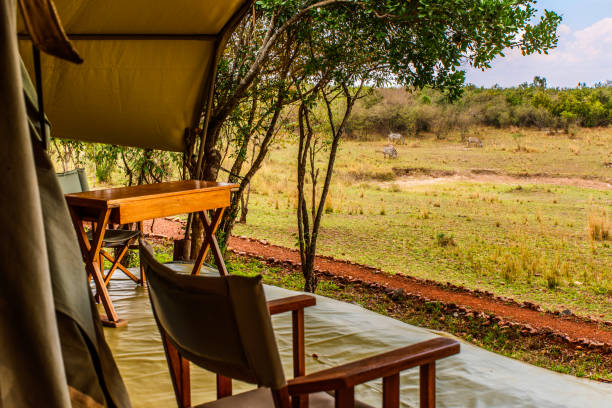
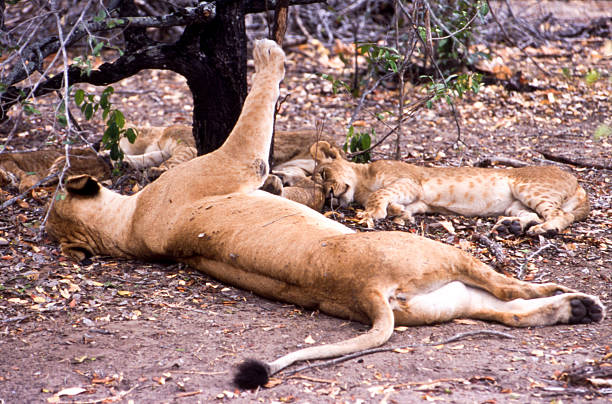
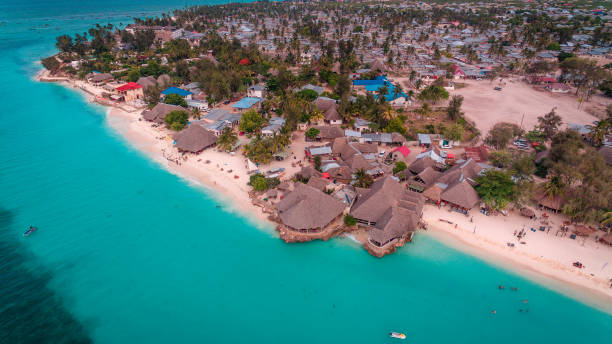
Are you planning a trip from Dar es Salaam to Selous Game Reserve in 2027-2028? Look no further! This article will provide you with all the necessary tips and information on how to make your journey smooth and enjoyable. From transportation options to tour highlights, we've got you covered.
When it comes to traveling from Dar es Salaam to Selous Game Reserve, there are several transportation options available. Here are some of the most popular ones:
One of the most common ways to get to Selous Game Reserve from Dar es Salaam is by driving. The journey takes approximately 6-7 hours, depending on the road conditions. It is recommended to hire a 4x4 vehicle, as some parts of the road can be bumpy and rough. Make sure to stock up on water and snacks, as there are limited options for food and drinks along the way.
If you prefer a faster and more comfortable option, flying is the way to go. There are several airlines that offer daily flights from Dar es Salaam to Selous Game Reserve. The flight duration is approximately 30 minutes, and you will be treated to breathtaking views of the Tanzanian landscape. Once you arrive at the airstrip, a safari vehicle will be waiting to take you to your lodge.
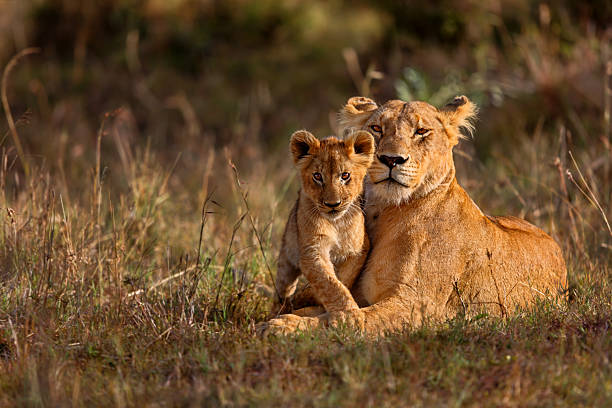
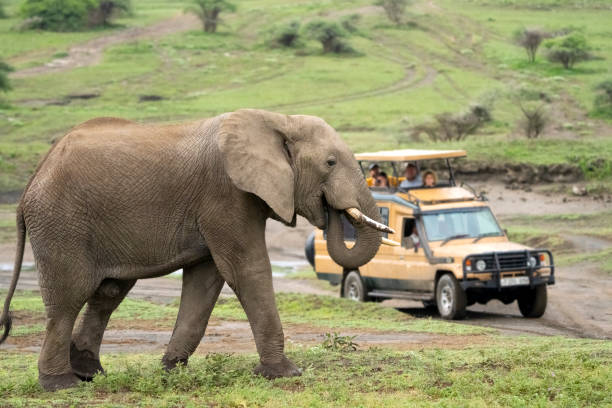
Selous Game Reserve is home to a diverse range of wildlife, including elephants, lions, leopards, and wild dogs. Here are some of the top tour highlights to look forward to in 2027-2028:
There are many reasons to choose Selous Game Reserve for your safari adventure in 2027-2028. Here are some of the top ones:
To make the most of your trip to Selous Game Reserve in 2027-2028, consider booking one of these additional packages:
The best time to visit Selous Game Reserve is during the dry season, which runs from June to October. During this time, the wildlife is easier to spot, as the vegetation is less dense and the animals congregate around the water sources.
We recommend spending at least 3-4 days in Selous Game Reserve to make the most of your safari experience. This will give you enough time to explore the different areas of the reserve and participate in various activities.
Yes, it is generally safe to travel to Selous Game Reserve. However, it is always important to take precautions and follow the advice of your guide and lodge staff. Avoid wandering off on your own, and always stay with your group during activities.
When packing for a trip to Selous Game Reserve, it is important to bring lightweight, breathable clothing, comfortable shoes, a hat, sunglasses, and sunscreen. You may also want to bring a camera, binoculars, and a reusable water bottle.
No, we do not recommend swimming in the Rufiji River due to the presence of crocodiles and hippos. However, you can enjoy a boat safari on the river to see these animals from a safe distance.
There are a variety of accommodation options in Selous Game Reserve, from luxury lodges to tented camps. Most lodges and camps offer amenities such as swimming pools, restaurants, and bars. However, it is important to note that some lodges and camps may have limited electricity and Wi-Fi.
No, you cannot rent a car in Selous Game Reserve. However, you can hire a car and driver in Dar es Salaam and drive to Selous Game Reserve. Alternatively, you can take a flight from Dar es Salaam to Selous Game Reserve and hire a car and driver at the airstrip.
The official currency in Tanzania is the Tanzanian Shilling. However, US Dollars are widely accepted in tourist areas. It is recommended to bring a small amount of cash for tips and small purchases.
Traveling from Dar es Salaam to Selous Game Reserve in 2027-2028 is an exciting and unforgettable experience. With its diverse range of wildlife, stunning landscapes, and variety of activities, Selous Game Reserve is a must-visit destination for any safari enthusiast. By following the tips and advice in this article, you can ensure that your trip is safe, enjoyable, and memorable.
 Machame
Beginner-friendly Machame Route. Small group trekking for adventure seekers.
 Machame
Whiskey Route with better acclimatization and higher summit success rate.
 Group for Machame
Extended trekking for better acclimatization and higher chance to summit Kilimanjaro.
 Marangu Route Group
Classic “Coca-Cola Route”, moderate trekking experience. Popular for first-timers.
 Marangu Groups
Extended Marangu Route for better acclimatization and a safer summit attempt.
 Join Lemosho Group
Beautiful Lemosho Route through forests and moorlands. Excellent acclimatization for summit success.
 Join Lemosho Group
Longer trek ensures full acclimatization, more scenic experience, higher summit chances.
Find answers to all your questions about Tanzania safaris, Kilimanjaro trekking, beach holidays, cultural tours, and more for your 2027-2028 adventures!
The dry season from June to October is best for wildlife viewing. Wet months (November–May) offer lush scenery and fewer tourists, great for birdwatching.
The optimal months are January–March and June–October. These periods have less rain, clearer skies, and better trekking conditions.
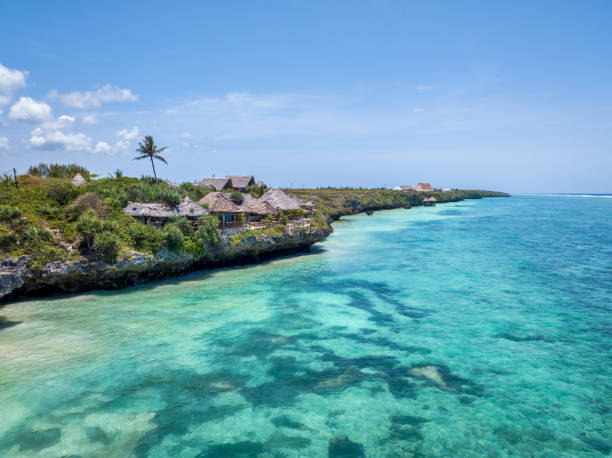
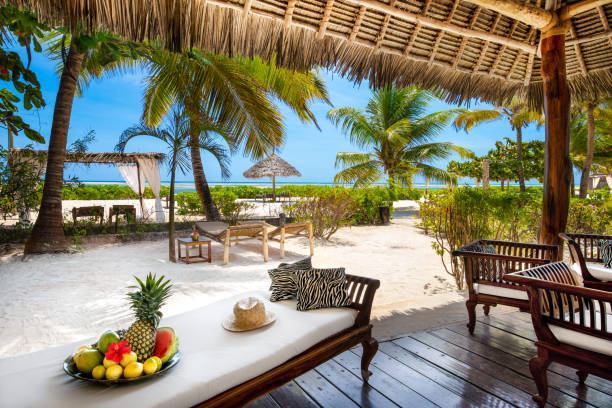
Yes! Many 2027-2028 packages combine Serengeti or Ngorongoro safaris with relaxing beach stays in Zanzibar or Pemba.
Absolutely! Family-friendly safaris include short drives, child-safe accommodations, and educational experiences with wildlife and culture.
The Serengeti (Northern & Central) and Ngorongoro Conservation Area are prime locations to witness the Great Migration In 2027-2028.
Safaris range from 3–14 days. 7–10 days is ideal to visit multiple parks, see wildlife, and enjoy a well-paced experience.
Machame, Marangu, Lemosho, Rongai, and Northern Circuit are popular. Lemosho and Machame offer scenic routes and higher summit success rates.
Yes, guides and porters are required by Tanzanian law. They ensure safety, carry gear, and assist with altitude challenges.
Zanzibar and Pemba offer safe resorts, calm waters, and family activities. Always follow resort safety guidelines for water activities.
Yes, private and custom itineraries allow flexibility in duration, parks, and accommodations for 2027-2028 trips.
Costs vary by duration, accommodation, and inclusions. Budget safaris start around $1,000, while luxury safaris may exceed $5,000.
Most safaris include meals. Kilimanjaro climbs provide full-board meals, including snacks and hot drinks during trekking days.
Lions, elephants, leopards, cheetahs, giraffes, zebras, wildebeest, rhinos, hippos, crocodiles, and exotic birds are common in safaris.
Recommended vaccinations: Yellow Fever, Hepatitis A/B, Tetanus. Malaria prophylaxis is advised for rural safari and trekking regions.
Yes, guided walking safaris are offered in parks like Tarangire and Arusha, allowing close encounters with nature and local flora/fauna.
Tanzania is generally safe. Solo travelers should follow guides’ advice, avoid isolated areas at night, and take standard precautions.
Neutral clothing, trekking shoes, hats, sunglasses, sunscreen, camera, binoculars, swimwear, and light jackets for cooler nights.
Yes! Many 2027-2028 packages include visits to Maasai villages, Hadzabe tribes, and historical sites alongside safaris.
Safaris use 4x4 vehicles with open roofs. Some tours include short domestic flights for park transfers or long-distance itineraries.
Yes. In 2027-2028 Luxury packages provide premium lodges, tents, private guides, personalized meals, and exclusive game drives or trekking services.
Parks like Arusha and Amboseli provide breathtaking views of Kilimanjaro along with wildlife sightings on safari.
It is recommended to book 4–6 months in advance for peak season (June–October) to ensure availability of accommodation and guides.