
Africa - Tanzania Safari Operator
Arusha - Moshi Tanzania
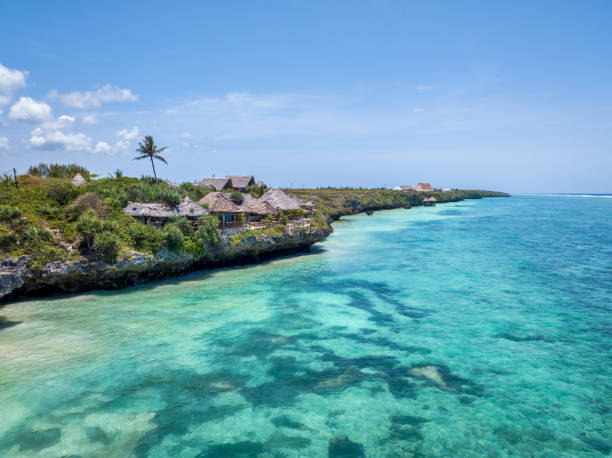
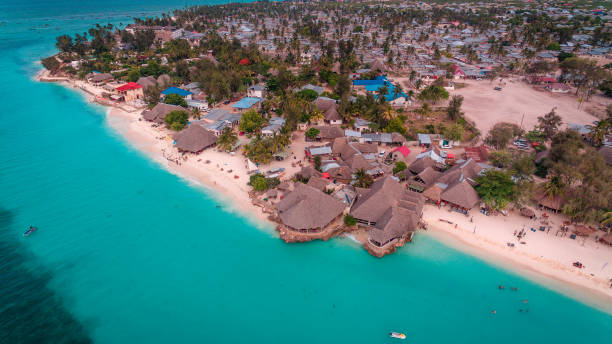
Dar es Salaam, Tanzania's bustling coastal city, boasts beautiful beaches that attract both locals and tourists. However, the question of whether these beaches are safe for swimming in 2027-2028 is a crucial one. The safety of swimming in the beaches of Dar es Salaam isn't a simple yes or no answer. It depends on a variety of factors, and understanding these factors is key to making an informed decision about whether or not to take a dip. This detailed guide will explore the various aspects impacting the safety of swimming at Dar es Salaam beaches in 2027-2028, helping you determine if a swim is right for you.
One of the most significant concerns regarding the safety of swimming in Dar es Salaam beaches is water quality. Pollution from sewage, industrial waste, and agricultural runoff can contaminate the water, leading to various health risks. These risks include exposure to bacteria, viruses, and parasites that can cause gastrointestinal illnesses, skin infections, and other health problems. The extent of pollution varies across different beaches in Dar es Salaam. Some beaches, particularly those closer to urban areas or industrial zones, are more prone to pollution than others. Therefore, checking the latest water quality reports before swimming at any Dar es Salaam beach in 2027-2028 is highly recommended. Are the beaches in Dar es Salaam safe for swimming? The answer significantly depends on the current water quality.
The local authorities and environmental organizations regularly monitor water quality at various beaches. However, these reports might not always be readily available or easily accessible to tourists. Therefore, relying on visual inspections and your own judgment is also important. Look for signs of pollution like unusual discoloration, floating debris, or unpleasant odors. If you notice anything suspicious, it's best to avoid swimming in that particular area. Remember, the safety of swimming on Dar es Salaam beaches is contingent upon the cleanliness of the water. Always prioritize your health and well-being.
Beyond water pollution, the marine environment itself presents potential hazards for swimmers. Strong currents, particularly during high tide or after storms, can pose a significant risk, especially for inexperienced swimmers. The presence of marine life, such as jellyfish, sea urchins, and even sharks (though shark attacks are rare), also presents a risk. While encountering dangerous marine life is not common on Dar es Salaam's beaches, being aware of the possibility is important. Are the beaches in Dar es Salaam safe for swimming? While not overtly dangerous in many respects, exercising caution is paramount.
It's crucial to swim in designated areas, where lifeguards are present, if possible. Lifeguards can provide assistance in case of emergencies and advise on safe swimming areas. Paying attention to any warning signs posted on the beach is also essential. These signs often indicate potential hazards, such as strong currents or dangerous marine life. Before considering a dip, research the particular beach you plan to visit to better understand any inherent risks.
The infrastructure and safety measures in place at different beaches in Dar es Salaam also play a significant role in determining their safety for swimming. The availability of lifeguards, first-aid facilities, and clear signage can make a big difference in ensuring a safe swimming experience. Beaches with well-maintained facilities and adequate safety measures generally offer a safer environment for swimming than those lacking these features. Are the beaches in Dar es Salaam safe for swimming? The presence of readily available safety features contributes to a more favorable answer.
When planning your swim, investigate the beach's infrastructure beforehand. Look for information about the presence of lifeguards, first-aid services, and any emergency contact numbers. This preparatory research will significantly improve your safety and peace of mind while enjoying the Dar es Salaam beaches. Remember that choosing beaches with comprehensive safety infrastructure increases the likelihood of a safe swimming experience.
Seasonal variations and weather conditions also significantly impact the safety of swimming at Dar es Salaam beaches. During the rainy season, the risk of strong currents and increased water pollution is higher. Stormy weather can make swimming extremely dangerous. The calmest and safest times for swimming are usually during the dry season, when the weather is more predictable and the water is generally calmer. Are the beaches in Dar es Salaam safe for swimming? The answer shifts depending on the season and prevailing weather conditions.
Before heading to the beach, always check the weather forecast. Avoid swimming during storms, heavy rain, or when strong currents are reported. Even during the dry season, it's wise to be mindful of changing weather conditions and adjust your swimming plans accordingly. Understanding seasonal shifts and adhering to weather advisories ensures a safer beach experience.
Dar es Salaam has several beaches, each with its own unique characteristics and safety profile. Some beaches are consistently safer than others due to factors such as water quality, infrastructure, and proximity to potential pollution sources. Researching the specific beach you plan to visit before swimming is highly recommended. Are the beaches in Dar es Salaam safe for swimming? The answer varies depending on the individual beach. Some beaches may consistently maintain higher safety standards.
Online reviews and local advice can provide valuable insights into the safety of specific beaches. Look for information about water quality, the presence of lifeguards, and any recent incidents that might affect safety. By researching individual beaches, you can make a more informed decision about where to swim, thereby enhancing your safety and enjoyment.
A1: No, not all beaches in Dar es Salaam have lifeguards. The presence of lifeguards varies depending on the beach and the time of year. It is best to check beforehand or look for clearly marked lifeguard stations before entering the water.
A2: If you see signs of pollution such as discoloration, debris, or unusual odors, avoid swimming in that area. Report the pollution to the local authorities if possible.
A3: Common risks include gastrointestinal illnesses, skin infections, and other health problems caused by exposure to bacteria, viruses, and parasites.
A4: The dry season generally offers the calmest and safest conditions for swimming. However, always check the weather forecast before heading to the beach.
A5: While shark attacks are extremely rare, it's advisable to be aware of potential hazards such as jellyfish and sea urchins. Stay within designated swimming areas for added safety.
A6: If caught in a strong current, remain calm and try to swim parallel to the shore until you are out of the current. Signal for help if needed.
A7: Water quality reports might not always be readily available online. It's best to contact local authorities or environmental organizations to find this information.
A8: Always check water quality, weather conditions, and beach safety measures beforehand. Swim in designated areas, heed warning signs, and be aware of potential hazards such as strong currents and marine life. If in doubt, don't swim!
Ultimately, whether the beaches in Dar es Salaam are safe for swimming in 2027-2028 depends on numerous factors. By carefully considering water quality, marine life, infrastructure, weather, and seasonal variations, you can make an informed decision about whether to take a dip. Remember, prioritizing your safety and health should always be your top concern when enjoying the beautiful beaches of Dar es Salaam. Always exercise caution and make informed decisions to ensure a safe and enjoyable experience. Are the beaches in Dar es Salaam safe for swimming? The answer requires careful consideration and proactive planning.
 Machame
Beginner-friendly Machame Route. Small group trekking for adventure seekers.
 Machame
Whiskey Route with better acclimatization and higher summit success rate.
 Group for Machame
Extended trekking for better acclimatization and higher chance to summit Kilimanjaro.
 Marangu Route Group
Classic “Coca-Cola Route”, moderate trekking experience. Popular for first-timers.
 Marangu Groups
Extended Marangu Route for better acclimatization and a safer summit attempt.
 Join Lemosho Group
Beautiful Lemosho Route through forests and moorlands. Excellent acclimatization for summit success.
 Join Lemosho Group
Longer trek ensures full acclimatization, more scenic experience, higher summit chances.
Find answers to all your questions about Tanzania safaris, Kilimanjaro trekking, beach holidays, cultural tours, and more for your 2027-2028 adventures!
The dry season from June to October is best for wildlife viewing. Wet months (November–May) offer lush scenery and fewer tourists, great for birdwatching.
The optimal months are January–March and June–October. These periods have less rain, clearer skies, and better trekking conditions.
Yes! Many 2027-2028 packages combine Serengeti or Ngorongoro safaris with relaxing beach stays in Zanzibar or Pemba.
Absolutely! Family-friendly safaris include short drives, child-safe accommodations, and educational experiences with wildlife and culture.
The Serengeti (Northern & Central) and Ngorongoro Conservation Area are prime locations to witness the Great Migration In 2027-2028.
Safaris range from 3–14 days. 7–10 days is ideal to visit multiple parks, see wildlife, and enjoy a well-paced experience.
Machame, Marangu, Lemosho, Rongai, and Northern Circuit are popular. Lemosho and Machame offer scenic routes and higher summit success rates.
Yes, guides and porters are required by Tanzanian law. They ensure safety, carry gear, and assist with altitude challenges.
Zanzibar and Pemba offer safe resorts, calm waters, and family activities. Always follow resort safety guidelines for water activities.
Yes, private and custom itineraries allow flexibility in duration, parks, and accommodations for 2027-2028 trips.
Costs vary by duration, accommodation, and inclusions. Budget safaris start around $1,000, while luxury safaris may exceed $5,000.
Most safaris include meals. Kilimanjaro climbs provide full-board meals, including snacks and hot drinks during trekking days.
Lions, elephants, leopards, cheetahs, giraffes, zebras, wildebeest, rhinos, hippos, crocodiles, and exotic birds are common in safaris.
Recommended vaccinations: Yellow Fever, Hepatitis A/B, Tetanus. Malaria prophylaxis is advised for rural safari and trekking regions.
Yes, guided walking safaris are offered in parks like Tarangire and Arusha, allowing close encounters with nature and local flora/fauna.
Tanzania is generally safe. Solo travelers should follow guides’ advice, avoid isolated areas at night, and take standard precautions.
Neutral clothing, trekking shoes, hats, sunglasses, sunscreen, camera, binoculars, swimwear, and light jackets for cooler nights.
Yes! Many 2027-2028 packages include visits to Maasai villages, Hadzabe tribes, and historical sites alongside safaris.
Safaris use 4x4 vehicles with open roofs. Some tours include short domestic flights for park transfers or long-distance itineraries.
Yes. In 2027-2028 Luxury packages provide premium lodges, tents, private guides, personalized meals, and exclusive game drives or trekking services.
Parks like Arusha and Amboseli provide breathtaking views of Kilimanjaro along with wildlife sightings on safari.
It is recommended to book 4–6 months in advance for peak season (June–October) to ensure availability of accommodation and guides.