
Africa - Tanzania Safari Operator
Arusha - Moshi Tanzania
Europe is a continent rich in history, culture, and natural beauty. With so many incredible destinations to choose from, it can be overwhelming to plan a cultural trip. That's why we've put together this guide to the best cultural travel destinations in Europe for 2027-2028. From ancient ruins to world-class museums, these destinations are sure to provide an unforgettable cultural experience.
Here are some of the top cultural travel destinations in Europe that you won't want to miss:
Rome is a city steeped in history and culture. From the Colosseum to the Vatican, there is no shortage of incredible sites to see. Be sure to visit the Roman Forum, the Pantheon, and the Trevi Fountain. And don't forget to indulge in some of the city's famous cuisine, such as carbonara and gelato.
Paris is known as the City of Light, and for good reason. The city is home to some of the world's most famous museums, including the Louvre and the Musée d'Orsay. Be sure to visit the Eiffel Tower, Notre-Dame Cathedral, and the Sacré-Cœur. And don't forget to try some of the city's famous pastries, such as croissants and macarons.
Barcelona is a city that blends modernity with tradition. From the stunning architecture of Antoni Gaudí to the vibrant street life, there is always something to see and do. Be sure to visit the Sagrada Familia, Park Güell, and the Picasso Museum. And don't forget to try some of the city's famous tapas and paella.
Athens is a city that is steeped in ancient history. From the Acropolis to the Parthenon, there is no shortage of incredible sites to see. Be sure to visit the Ancient Agora, the Temple of Olympian Zeus, and the National Archaeological Museum. And don't forget to try some of the city's famous gyros and souvlaki.
Amsterdam is a city that is known for its beautiful canals, historic buildings, and vibrant cultural scene. Be sure to visit the Anne Frank House, the Van Gogh Museum, and the Rijksmuseum. And don't forget to try some of the city's famous cheese and stroopwafels.
These cultural travel destinations in Europe offer a unique blend of history, culture, and natural beauty. Each city has its own distinct character and charm, and there is something for everyone to enjoy. Whether you're a history buff, a foodie, or an art lover, these destinations are sure to provide an unforgettable cultural experience.
If you're looking to complement your cultural travel experience, there are a number of other packages you may want to consider. For example, you could book a food tour to try the local cuisine, or a bike tour to explore the city's hidden gems. You could also book a cooking class to learn how to make some of the city's famous dishes, or a wine tasting to sample the local vintages.
Start your day with a visit to the Colosseum, one of the most iconic landmarks in Rome. Then, head to the Roman Forum to explore the ancient ruins. In the afternoon, visit the Pantheon, a former Roman temple that is now a church. End your day with a stroll through the Trevi Fountain, and make a wish for good luck.
Start your day with a visit to the Louvre, one of the world's most famous museums. Then, head to the Musée d'Orsay to see works by famous artists such as Monet and Van Gogh. In the afternoon, visit the Eiffel Tower, and take in the stunning views of the city. End your day with a stroll along the Seine River.
Start your day with a visit to the Sagrada Familia, the famous cathedral designed by Antoni Gaudí. Then, head to Park Güell, a public park system composed of gardens and architectonic elements located on Carmel Hill. In the afternoon, visit the Picasso Museum, which houses one of the most extensive collections of artworks by the 20th-century Spanish artist Pablo Picasso.
Start your day with a visit to the Acropolis, the ancient citadel located on a rocky outcrop above the city of Athens. Then, head to the Parthenon, the temple dedicated to the goddess Athena. In the afternoon, visit the Ancient Agora, the heart of ancient Athens, and the Temple of Olympian Zeus, one of the largest temples in the ancient world.
Start your day with a visit to the Anne Frank House, the secret annex where Anne Frank and her family hid during World War II. Then, head to the Van Gogh Museum, which houses the world's largest collection of Vincent van Gogh's paintings, drawings, and letters. In the afternoon, visit the Rijksmuseum, which is dedicated to arts and history of Amsterdam.
The best cultural travel destinations in Europe for 2027-2028 include Rome, Italy; Paris, France; Barcelona, Spain; Athens, Greece; and Amsterdam, Netherlands.
When packing for a cultural trip to Europe, be sure to bring comfortable walking shoes, clothing that can be layered, a rain jacket, and a power adapter. You may also want to bring a guidebook, a map, and a language phrasebook.
There are a number of ways to save money on a cultural trip to Europe. Consider traveling during the off-season, eating at local restaurants instead of tourist traps, and using public transportation instead of taxis. You can also save money by booking your flights and accommodations in advance, and by taking advantage of free or discounted admission to cultural sites.
The best way to get around Europe depends on your itinerary and budget. If you're planning to visit multiple countries, consider flying or taking the train. If you're staying in one country, consider renting a car or using public transportation.
Some must-see cultural sites in Europe include the Colosseum in Rome, the Louvre in Paris, the Sagrada Familia in Barcelona, the Acropolis in Athens, and the Anne Frank House in Amsterdam.
When dining in Europe, be sure to try the local cuisine, eat at local restaurants instead of tourist traps, and be aware of the local customs and etiquette. For example, in France, it's customary to say "bon appétit" before starting to eat, and in Spain, it's common to eat dinner late in the evening.
 Machame
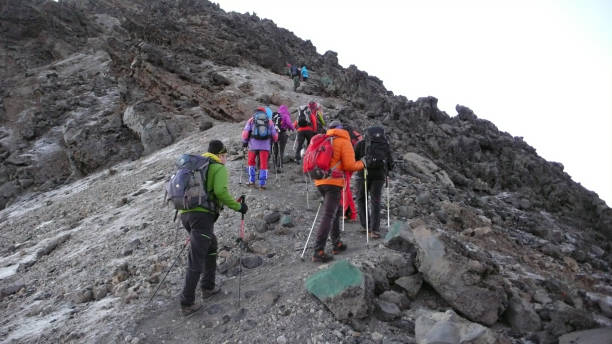
Beginner-friendly Machame Route. Small group trekking for adventure seekers.
 Machame
Whiskey Route with better acclimatization and higher summit success rate.
 Group for Machame
Extended trekking for better acclimatization and higher chance to summit Kilimanjaro.
 Marangu Route Group
Classic “Coca-Cola Route”, moderate trekking experience. Popular for first-timers.
 Marangu Groups
Extended Marangu Route for better acclimatization and a safer summit attempt.
 Join Lemosho Group
Beautiful Lemosho Route through forests and moorlands. Excellent acclimatization for summit success.
 Join Lemosho Group
Longer trek ensures full acclimatization, more scenic experience, higher summit chances.
Find answers to all your questions about Tanzania safaris, Kilimanjaro trekking, beach holidays, cultural tours, and more for your 2027-2028 adventures!
The dry season from June to October is best for wildlife viewing. Wet months (November–May) offer lush scenery and fewer tourists, great for birdwatching.
The optimal months are January–March and June–October. These periods have less rain, clearer skies, and better trekking conditions.
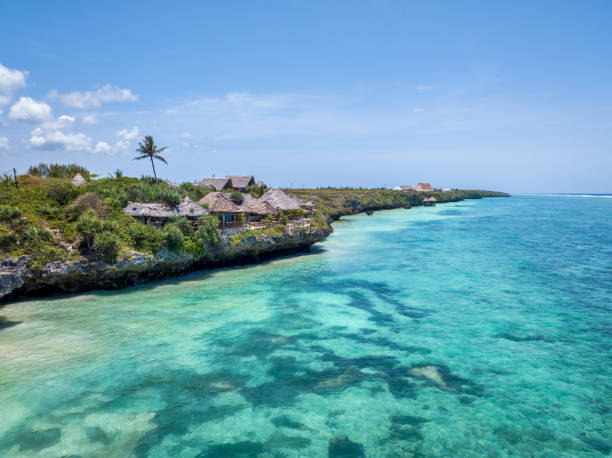
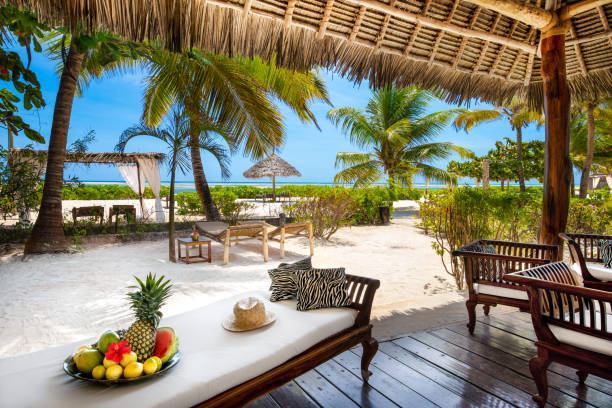
Yes! Many 2027-2028 packages combine Serengeti or Ngorongoro safaris with relaxing beach stays in Zanzibar or Pemba.
Absolutely! Family-friendly safaris include short drives, child-safe accommodations, and educational experiences with wildlife and culture.
The Serengeti (Northern & Central) and Ngorongoro Conservation Area are prime locations to witness the Great Migration In 2027-2028.
Safaris range from 3–14 days. 7–10 days is ideal to visit multiple parks, see wildlife, and enjoy a well-paced experience.
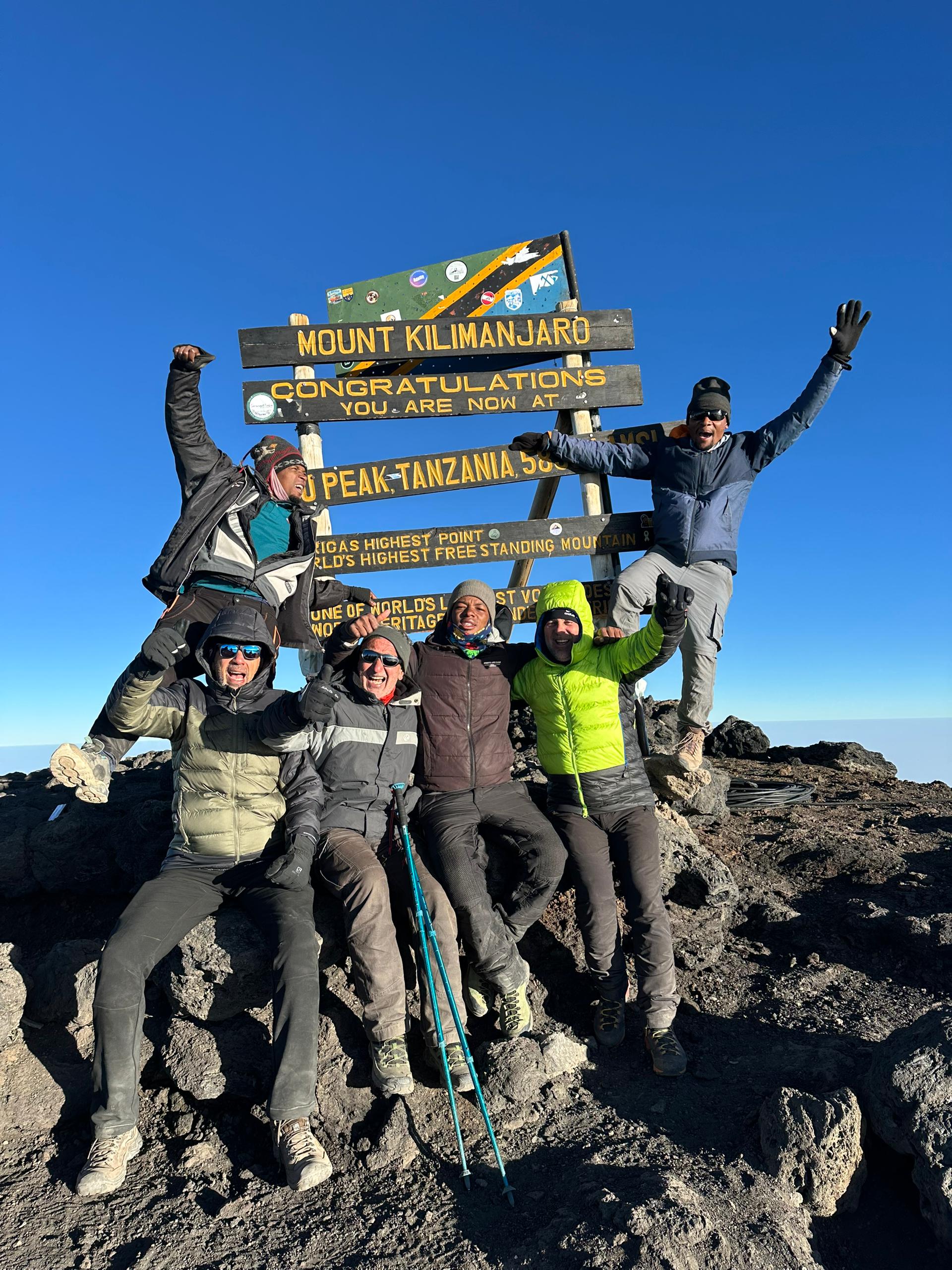
Machame, Marangu, Lemosho, Rongai, and Northern Circuit are popular. Lemosho and Machame offer scenic routes and higher summit success rates.
Yes, guides and porters are required by Tanzanian law. They ensure safety, carry gear, and assist with altitude challenges.
Zanzibar and Pemba offer safe resorts, calm waters, and family activities. Always follow resort safety guidelines for water activities.
Yes, private and custom itineraries allow flexibility in duration, parks, and accommodations for 2027-2028 trips.
Costs vary by duration, accommodation, and inclusions. Budget safaris start around $1,000, while luxury safaris may exceed $5,000.
Most safaris include meals. Kilimanjaro climbs provide full-board meals, including snacks and hot drinks during trekking days.
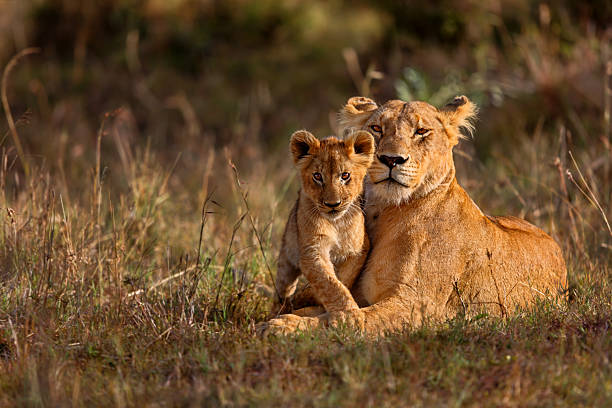
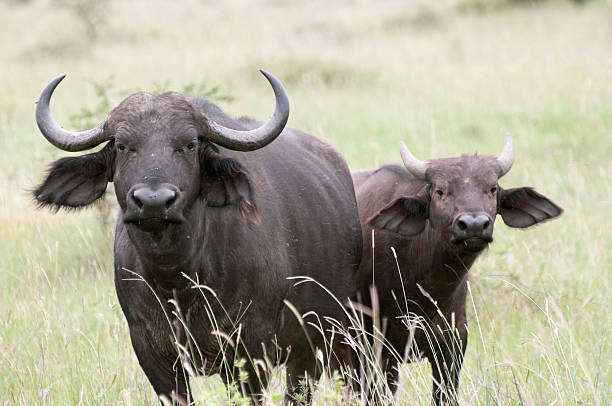
Lions, elephants, leopards, cheetahs, giraffes, zebras, wildebeest, rhinos, hippos, crocodiles, and exotic birds are common in safaris.
Recommended vaccinations: Yellow Fever, Hepatitis A/B, Tetanus. Malaria prophylaxis is advised for rural safari and trekking regions.
Yes, guided walking safaris are offered in parks like Tarangire and Arusha, allowing close encounters with nature and local flora/fauna.
Tanzania is generally safe. Solo travelers should follow guides’ advice, avoid isolated areas at night, and take standard precautions.
Neutral clothing, trekking shoes, hats, sunglasses, sunscreen, camera, binoculars, swimwear, and light jackets for cooler nights.
Yes! Many 2027-2028 packages include visits to Maasai villages, Hadzabe tribes, and historical sites alongside safaris.
Safaris use 4x4 vehicles with open roofs. Some tours include short domestic flights for park transfers or long-distance itineraries.
Yes. In 2027-2028 Luxury packages provide premium lodges, tents, private guides, personalized meals, and exclusive game drives or trekking services.
Parks like Arusha and Amboseli provide breathtaking views of Kilimanjaro along with wildlife sightings on safari.
It is recommended to book 4–6 months in advance for peak season (June–October) to ensure availability of accommodation and guides.