
Africa - Tanzania Safari Operator
Arusha - Moshi Tanzania
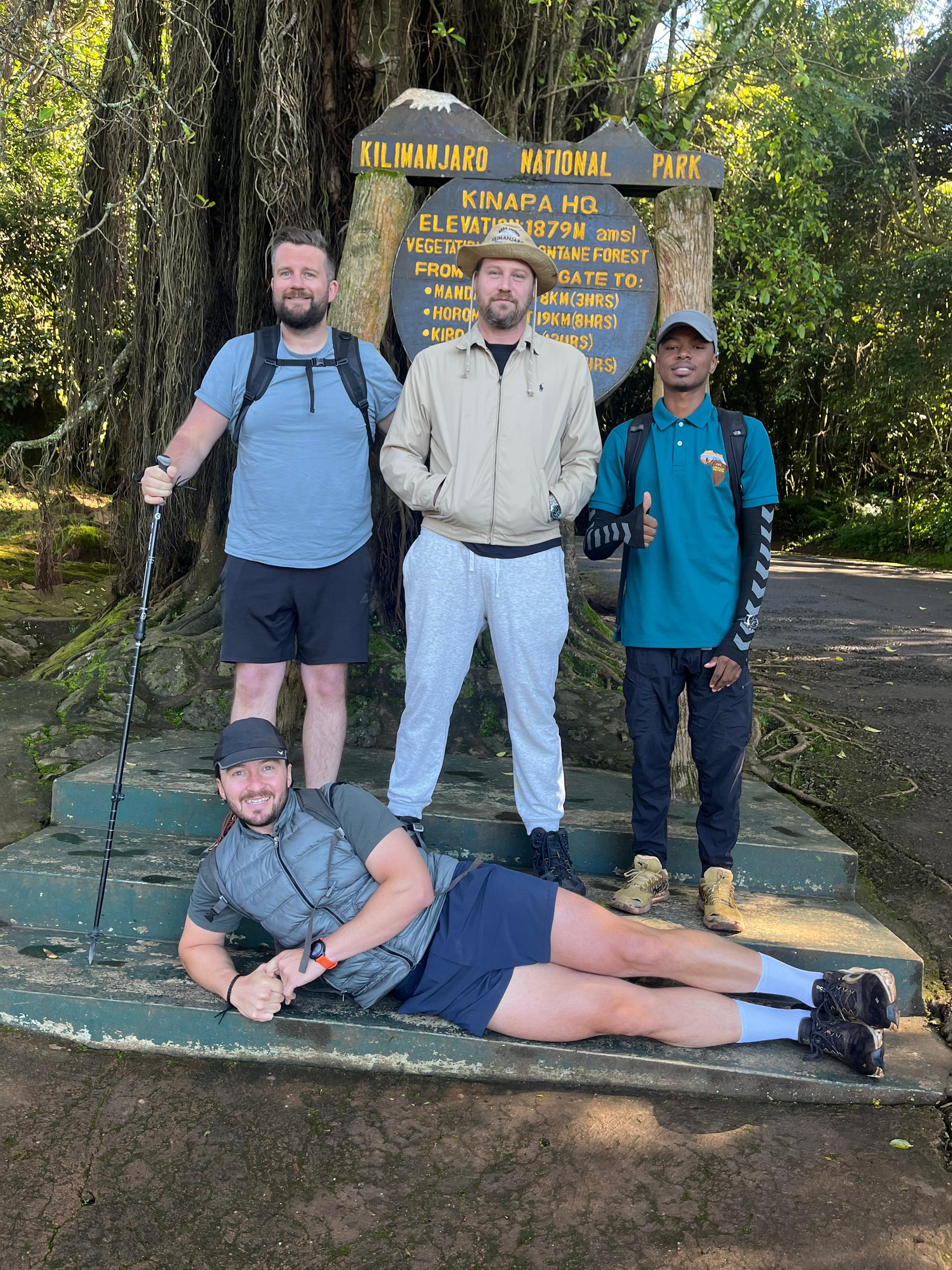
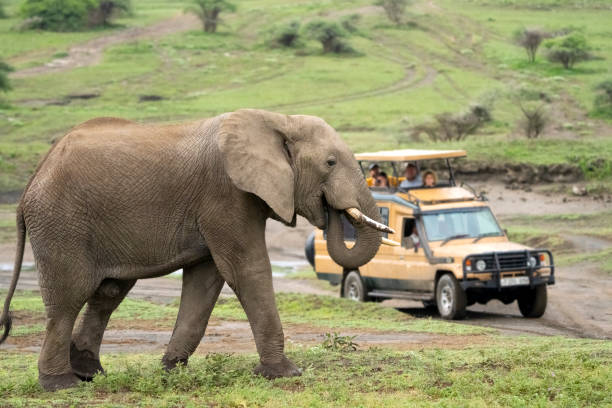
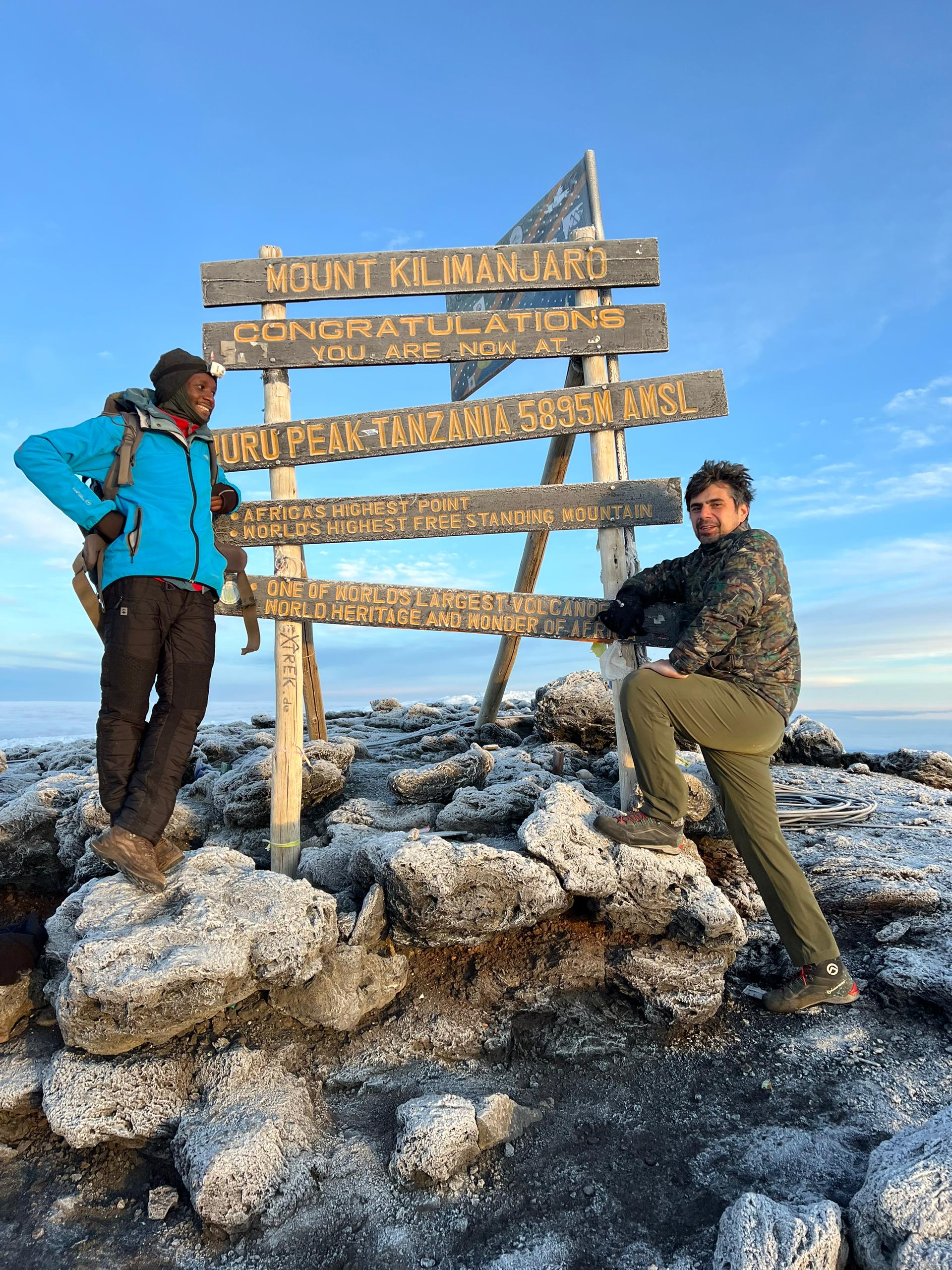
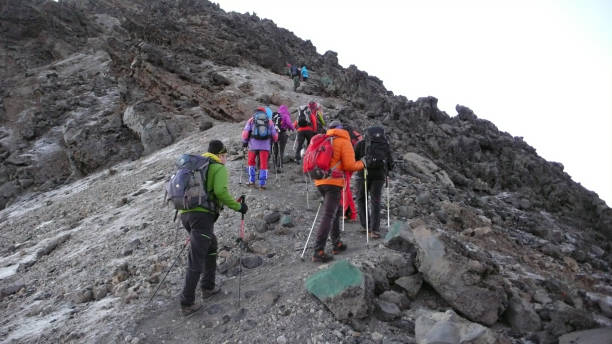
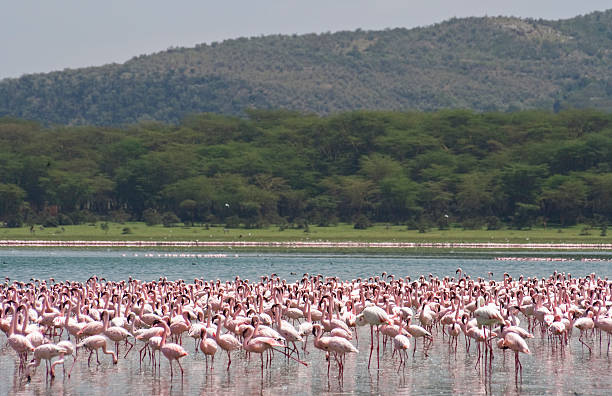
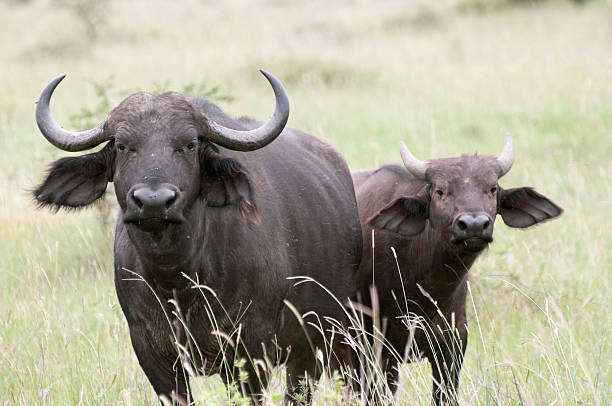
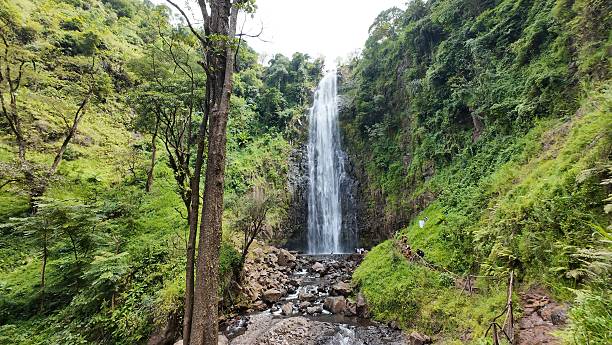
Tanzania, a country renowned for its breathtaking landscapes, rich biodiversity, and unique cultural experiences, offers a plethora of eco-volunteer opportunities for environmentally-conscious travelers. As the world becomes more aware of the importance of sustainable tourism, eco-volunteering has emerged as an increasingly popular way to contribute to conservation efforts while immersing oneself in a new culture. This comprehensive guide provides a detailed overview of eco-volunteer opportunities in Tanzania for the years 2027-2028, covering everything from project highlights and tips to prices, packages, and FAQs.
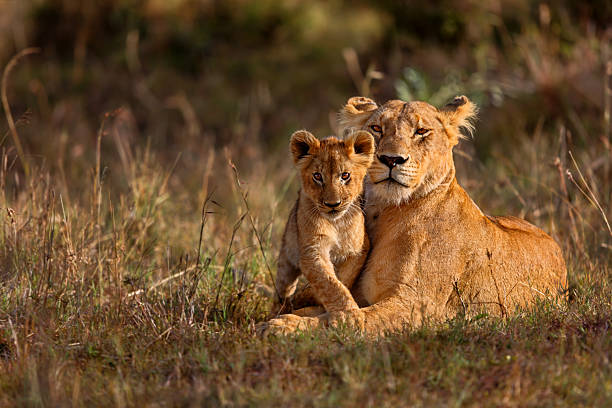
Tanzania is home to some of the world's most iconic wildlife species, including elephants, lions, leopards, and rhinoceros. Eco-volunteer programs focusing on wildlife conservation typically involve tasks such as monitoring animal populations, conducting research, and assisting with anti-poaching efforts. These initiatives play a crucial role in preserving Tanzania's biodiversity and ensuring the survival of its most vulnerable species.
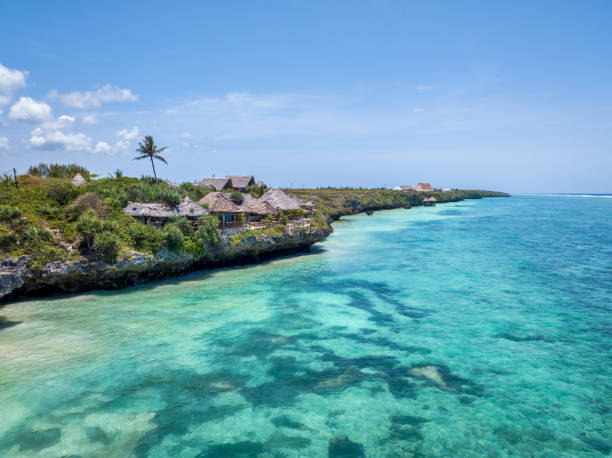
With its extensive coastline and numerous offshore islands, Tanzania offers ample opportunities for marine conservation. Eco-volunteers can participate in projects aimed at protecting coral reefs, monitoring sea turtle populations, and reducing plastic pollution. These efforts not only contribute to the health of Tanzania's marine ecosystems but also support the livelihoods of local fishing communities.
Eco-volunteer programs in Tanzania often involve working closely with local communities to promote sustainable development. This may include initiatives focused on education, healthcare, agriculture, and renewable energy. By engaging with community members, eco-volunteers can gain a deeper understanding of Tanzanian culture and contribute to long-term, positive change.
With numerous eco-volunteer opportunities available in Tanzania, it's essential to select a program that aligns with your interests, skills, and goals. Research various organizations and projects to find the best fit, considering factors such as project duration, accommodation options, and cost.
Ensure you have the necessary vaccinations, visas, and travel insurance before departing for Tanzania. Additionally, pack appropriate clothing and gear for your project, taking into account the country's diverse climate and terrain. Familiarize yourself with local customs and practices to demonstrate respect and cultural sensitivity.
Eco-volunteering in Tanzania provides a unique opportunity to learn about conservation, community development, and local culture. Approach your experience with an open mind, ask questions, and be willing to adapt to new challenges. By doing so, you'll not only make a valuable contribution but also gain invaluable skills and knowledge.
| Organization | Project | Duration | Cost (USD) |
|---|---|---|---|
| ABC Conservation | Wildlife Monitoring | 2 weeks | 1,800 |
| XYZ Marine Research | Coral Reef Restoration | 4 weeks | 2,500 |
| DEF Community Development | Education and Healthcare | 6 weeks | 2,000 |
Please note that prices and packages are subject to change. It's essential to confirm costs and inclusions directly with the organization prior to booking.
When comparing eco-volunteer opportunities in Tanzania, consider the following factors:
Most eco-volunteer programs in Tanzania require no specific qualifications, although some may have age or language requirements. It's essential to research individual programs to determine any prerequisites.
Eco-volunteer programs in Tanzania can range from one week to several months, depending on the organization and project. Consider your availability and flexibility when selecting a program.
When following safety guidelines and practicing common sense, eco-volunteering in Tanzania is generally safe. Research the organization and destination thoroughly, and ensure you have appropriate travel insurance.
Yes, many organizations offer flexible program options, allowing you to participate in multiple projects during your stay in Tanzania.
To maximize your eco-volunteer experience in Tanzania, approach your project with an open mind, a willingness to learn, and a commitment to making a positive impact.
Eco-volunteer opportunities in Tanzania offer a unique and rewarding way to contribute to conservation efforts, engage with local communities, and immerse yourself in a new culture. By carefully researching programs, preparing for your trip, and embracing the learning experience, you can ensure a fulfilling and impactful adventure in this remarkable African nation. Remember to prioritize sustainability and responsible travel practices as you explore the eco-volunteer opportunities available in Tanzania for the years 2027-2028.
 Machame
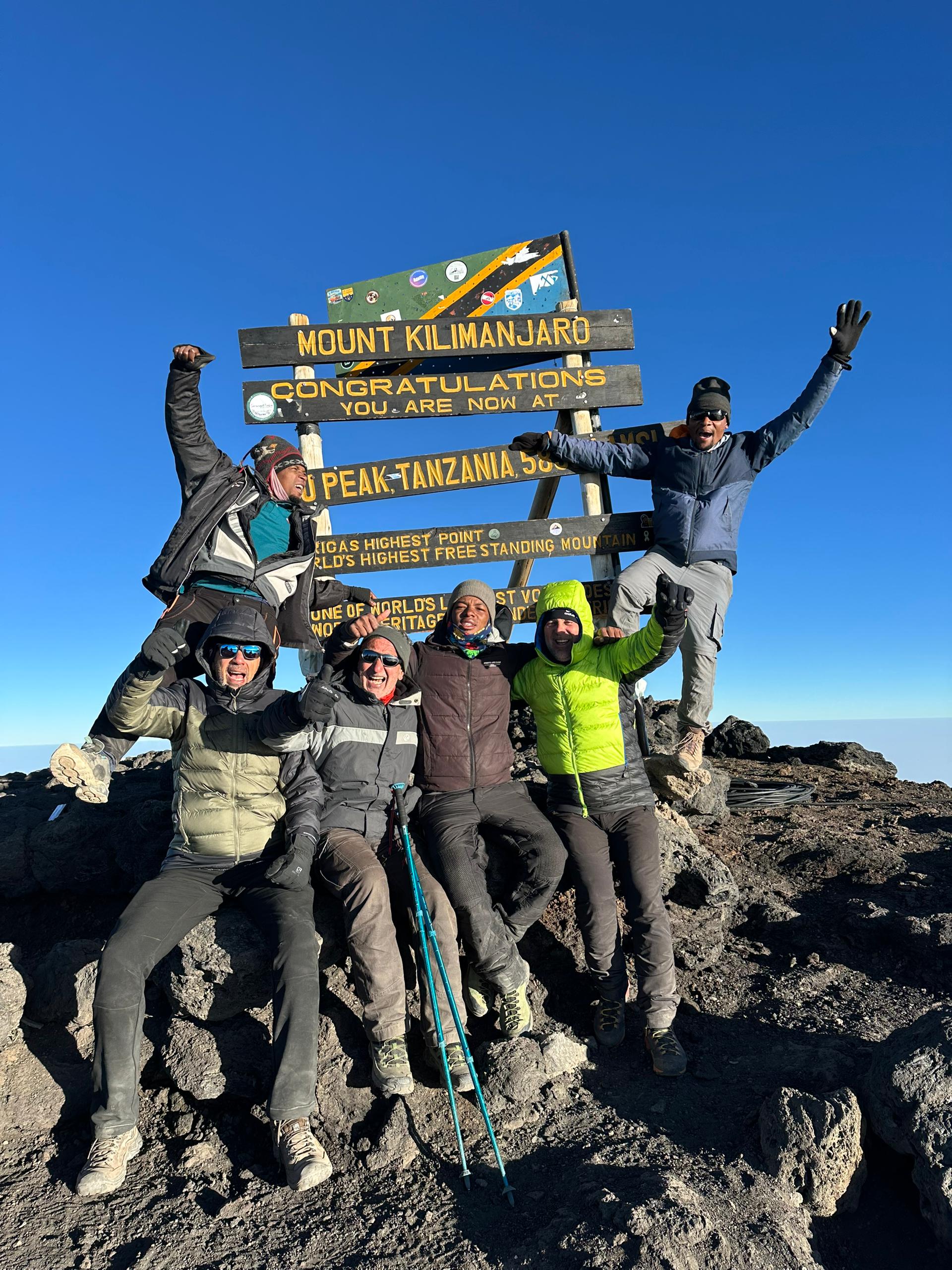
Beginner-friendly Machame Route. Small group trekking for adventure seekers.
 Machame
Whiskey Route with better acclimatization and higher summit success rate.
 Group for Machame
Extended trekking for better acclimatization and higher chance to summit Kilimanjaro.
 Marangu Route Group
Classic “Coca-Cola Route”, moderate trekking experience. Popular for first-timers.
 Marangu Groups
Extended Marangu Route for better acclimatization and a safer summit attempt.
 Join Lemosho Group
Beautiful Lemosho Route through forests and moorlands. Excellent acclimatization for summit success.
 Join Lemosho Group
Longer trek ensures full acclimatization, more scenic experience, higher summit chances.
Find answers to all your questions about Tanzania safaris, Kilimanjaro trekking, beach holidays, cultural tours, and more for your 2027-2028 adventures!
The dry season from June to October is best for wildlife viewing. Wet months (November–May) offer lush scenery and fewer tourists, great for birdwatching.
The optimal months are January–March and June–October. These periods have less rain, clearer skies, and better trekking conditions.
Yes! Many 2027-2028 packages combine Serengeti or Ngorongoro safaris with relaxing beach stays in Zanzibar or Pemba.
Absolutely! Family-friendly safaris include short drives, child-safe accommodations, and educational experiences with wildlife and culture.
The Serengeti (Northern & Central) and Ngorongoro Conservation Area are prime locations to witness the Great Migration In 2027-2028.
Safaris range from 3–14 days. 7–10 days is ideal to visit multiple parks, see wildlife, and enjoy a well-paced experience.
Machame, Marangu, Lemosho, Rongai, and Northern Circuit are popular. Lemosho and Machame offer scenic routes and higher summit success rates.
Yes, guides and porters are required by Tanzanian law. They ensure safety, carry gear, and assist with altitude challenges.
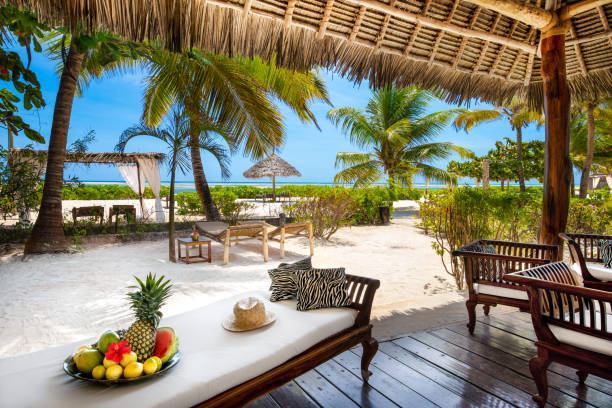
Zanzibar and Pemba offer safe resorts, calm waters, and family activities. Always follow resort safety guidelines for water activities.
Yes, private and custom itineraries allow flexibility in duration, parks, and accommodations for 2027-2028 trips.
Costs vary by duration, accommodation, and inclusions. Budget safaris start around $1,000, while luxury safaris may exceed $5,000.
Most safaris include meals. Kilimanjaro climbs provide full-board meals, including snacks and hot drinks during trekking days.
Lions, elephants, leopards, cheetahs, giraffes, zebras, wildebeest, rhinos, hippos, crocodiles, and exotic birds are common in safaris.
Recommended vaccinations: Yellow Fever, Hepatitis A/B, Tetanus. Malaria prophylaxis is advised for rural safari and trekking regions.
Yes, guided walking safaris are offered in parks like Tarangire and Arusha, allowing close encounters with nature and local flora/fauna.
Tanzania is generally safe. Solo travelers should follow guides’ advice, avoid isolated areas at night, and take standard precautions.
Neutral clothing, trekking shoes, hats, sunglasses, sunscreen, camera, binoculars, swimwear, and light jackets for cooler nights.
Yes! Many 2027-2028 packages include visits to Maasai villages, Hadzabe tribes, and historical sites alongside safaris.
Safaris use 4x4 vehicles with open roofs. Some tours include short domestic flights for park transfers or long-distance itineraries.
Yes. In 2027-2028 Luxury packages provide premium lodges, tents, private guides, personalized meals, and exclusive game drives or trekking services.
Parks like Arusha and Amboseli provide breathtaking views of Kilimanjaro along with wildlife sightings on safari.
It is recommended to book 4–6 months in advance for peak season (June–October) to ensure availability of accommodation and guides.