
Africa - Tanzania Safari Operator
Arusha - Moshi Tanzania
Traveling alone can be an exciting and rewarding experience, but it can also be intimidating for those who have never done it before. With the right tools, however, solo travel can be a breeze. In this article, we'll explore the best travel apps for solo travelers in 2026-2027, covering everything from booking accommodations and transportation to staying safe and meeting new people.
Hostelworld is one of the best travel apps for solo travelers looking for budget-friendly accommodations. With over 36,000 properties in 170 countries, Hostelworld makes it easy to find and book hostels, guesthouses, and budget hotels. The app also includes reviews and ratings from other travelers, so you can make informed decisions about where to stay.
Skyscanner is a must-have travel app for solo travelers looking for the best deals on flights, hotels, and car rentals. With its powerful search engine, Skyscanner compares prices from hundreds of travel sites to help you find the cheapest options. The app also includes features like price alerts and flexible date searches, so you can find the best deals even on short notice.
bSafe is a personal safety app that every solo traveler should have on their phone. With features like live streaming, location sharing, and emergency contacts, bSafe helps you stay safe no matter where you are in the world. The app also includes a "follow me" feature, which allows your friends and family to track your location in real-time, giving them peace of mind and you an added layer of security.
TripWhistle Global SOS is another essential safety app for solo travelers. With the touch of a button, the app connects you to emergency services in over 196 countries, providing you with the help you need in case of an emergency. The app also includes a "walk with me" feature, which allows your friends and family to track your location and ensure you arrive at your destination safely.
Backpackr is a social networking app for solo travelers. With over 50,000 users, Backpackr makes it easy to connect with other travelers and locals in your destination. The app includes features like chat, meetups, and activity feeds, so you can find like-minded people to explore with and make new friends along the way.
EatWith is a unique travel app that connects solo travelers with local hosts for home-cooked meals. With EatWith, you can enjoy authentic local cuisine and meet new people in a relaxed and intimate setting. The app includes reviews and ratings from other travelers, so you can be sure you're in good hands.
Arrive in your destination and check into your hostel or hotel. Spend the day exploring the city and getting your bearings. Use Hostelworld to find a budget-friendly place to stay and Skyscanner to find the cheapest flights and car rentals.
Take a walking tour of the city and visit some of its top attractions. Use bSafe to stay safe and TripWhistle Global SOS to connect with emergency services if needed. In the evening, connect with other travelers and locals on Backpackr and EatWith for a home-cooked meal.
Take a day trip to a nearby town or attraction. Use Skyscanner to find the best deals on transportation and Hostelworld to find budget-friendly accommodations. In the evening, connect with other travelers on Backpackr and plan a group activity for the following day.
The best travel apps for solo travelers include Hostelworld, Skyscanner, bSafe, TripWhistle Global SOS, Backpackr, and EatWith.
To stay safe while traveling alone, use bSafe and TripWhistle Global SOS to connect with emergency services and stay in touch with friends and family. Avoid traveling alone at night and always let someone know where you're going and when you'll be back.
To meet new people while traveling alone, use Backpackr and EatWith to connect with other travelers and locals. Attend group activities and events, and don't be afraid to strike up conversations with strangers.
To find budget-friendly accommodations while traveling alone, use Hostelworld to find hostels, guesthouses, and budget hotels. Compare prices and read reviews from other travelers to make informed decisions.
To find the best deals on flights and transportation, use Skyscanner to compare prices from hundreds of travel sites. Set price alerts and use flexible date searches to find the cheapest options.
To stay healthy while traveling alone, eat a balanced diet, exercise regularly, and get enough sleep. Use apps like MyFitnessPal to track your food intake and MapMyRun to find nearby running trails.
To stay connected while traveling alone, use apps like WhatsApp and Skype to make calls and send messages. Use Wi-Fi hotspots and international data plans to stay connected to the internet.
To learn the local language while traveling alone, use language learning apps like Duolingo and Babbel. Practice speaking with locals and attend language exchange events.
To make the most of your solo travel experience, be open-minded and flexible. Try new things, meet new people, and embrace the freedom of traveling alone. Use travel apps to help plan your itinerary and connect with others, but also allow for spontaneity and adventure.
Traveling alone can be a rewarding and fulfilling experience, and with the right tools, it can be safe and enjoyable too. From booking accommodations and transportation to staying safe and meeting new people, the best travel apps for solo travelers in 2026-2027 have got you covered. By using these apps, you can make the most of your solo travel experience and create memories that will last a lifetime.
 Machame
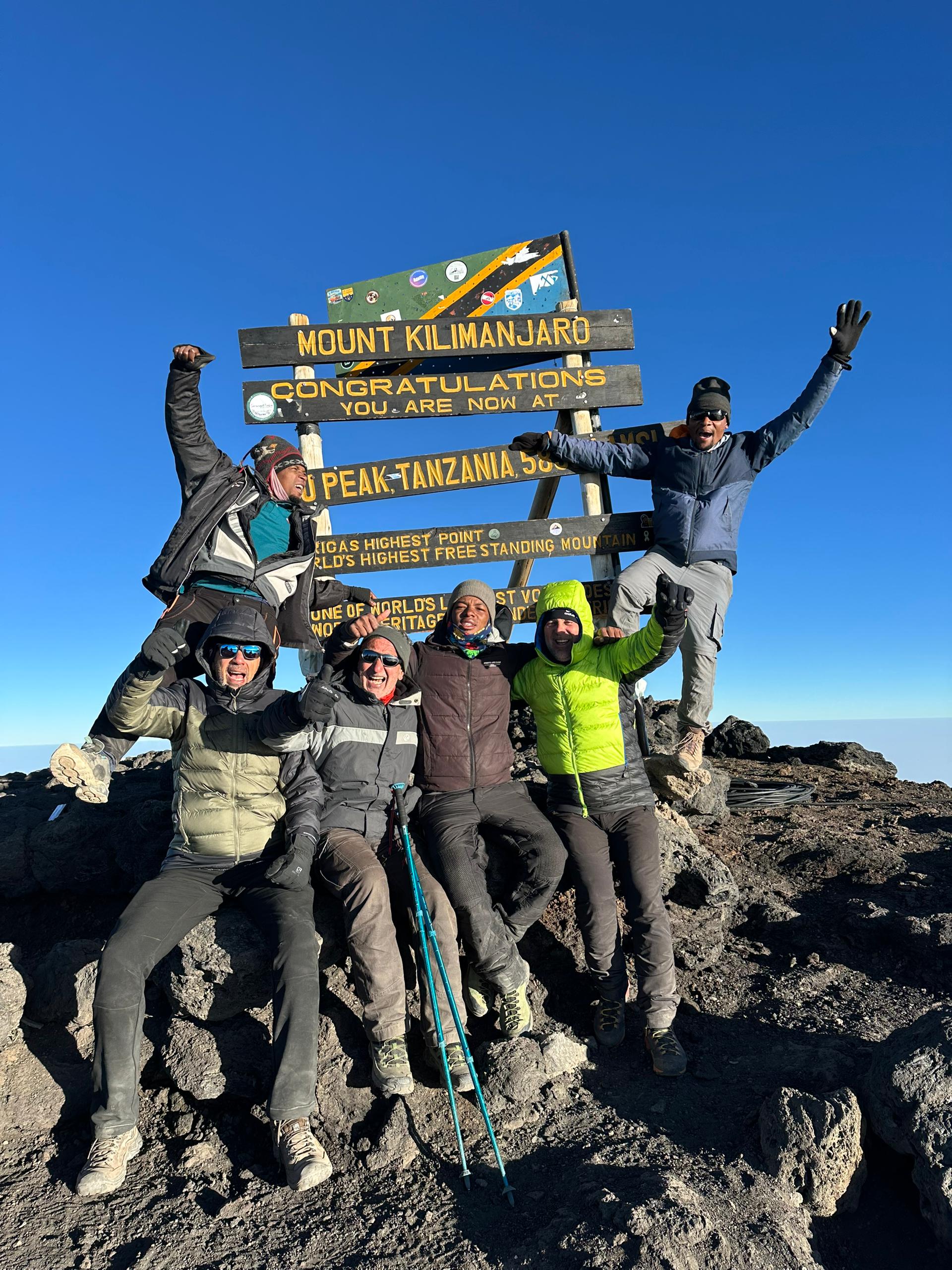
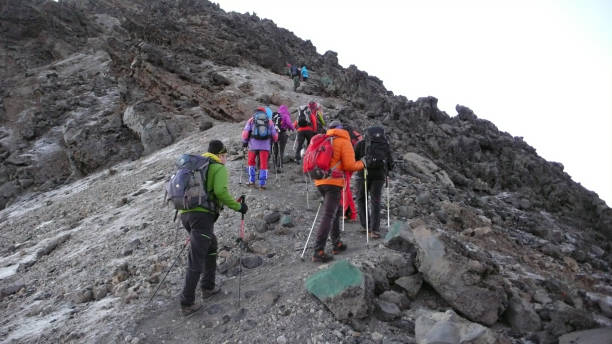
Beginner-friendly Machame Route. Small group trekking for adventure seekers.
 Machame
Whiskey Route with better acclimatization and higher summit success rate.
 Group for Machame
Extended trekking for better acclimatization and higher chance to summit Kilimanjaro.
 Marangu Route Group
Classic “Coca-Cola Route”, moderate trekking experience. Popular for first-timers.
 Marangu Groups
Extended Marangu Route for better acclimatization and a safer summit attempt.
 Join Lemosho Group
Beautiful Lemosho Route through forests and moorlands. Excellent acclimatization for summit success.
 Join Lemosho Group
Longer trek ensures full acclimatization, more scenic experience, higher summit chances.
Find answers to all your questions about Tanzania safaris, Kilimanjaro trekking, beach holidays, cultural tours, and more for your 2026–2027 adventures!
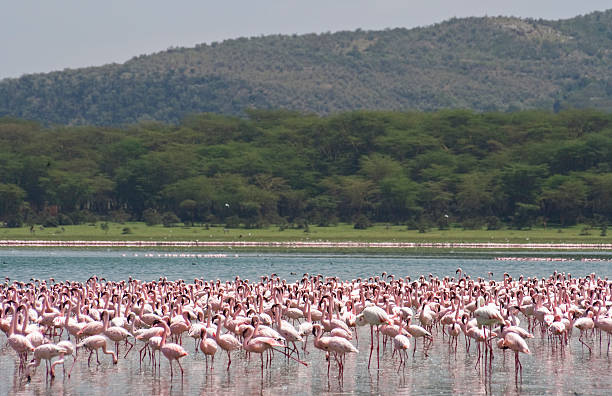
The dry season from June to October is best for wildlife viewing. Wet months (November–May) offer lush scenery and fewer tourists, great for birdwatching.
The optimal months are January–March and June–October. These periods have less rain, clearer skies, and better trekking conditions.
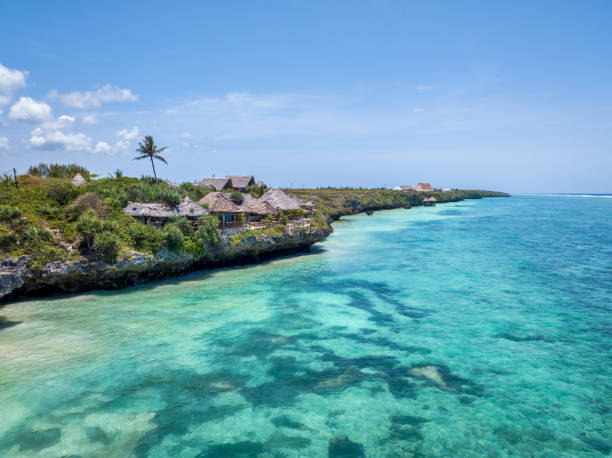
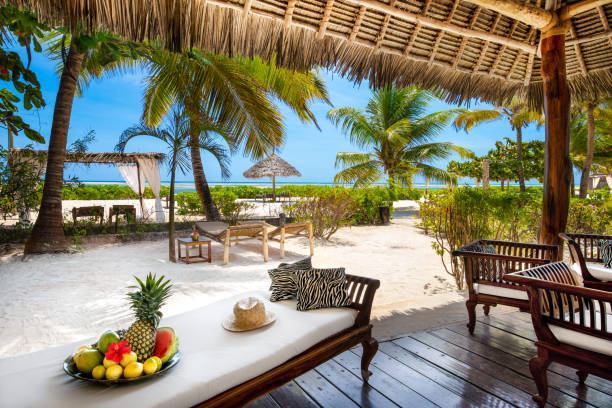
Yes! Many 2026–2027 packages combine Serengeti or Ngorongoro safaris with relaxing beach stays in Zanzibar or Pemba.
Absolutely! Family-friendly safaris include short drives, child-safe accommodations, and educational experiences with wildlife and culture.
The Serengeti (Northern & Central) and Ngorongoro Conservation Area are prime locations to witness the Great Migration in 2026–2027.
Safaris range from 3–14 days. 7–10 days is ideal to visit multiple parks, see wildlife, and enjoy a well-paced experience.
Machame, Marangu, Lemosho, Rongai, and Northern Circuit are popular. Lemosho and Machame offer scenic routes and higher summit success rates.
Yes, guides and porters are required by Tanzanian law. They ensure safety, carry gear, and assist with altitude challenges.
Zanzibar and Pemba offer safe resorts, calm waters, and family activities. Always follow resort safety guidelines for water activities.
Yes, private and custom itineraries allow flexibility in duration, parks, and accommodations for 2026–2027 trips.
Costs vary by duration, accommodation, and inclusions. Budget safaris start around $1,000, while luxury safaris may exceed $5,000.
Most safaris include meals. Kilimanjaro climbs provide full-board meals, including snacks and hot drinks during trekking days.
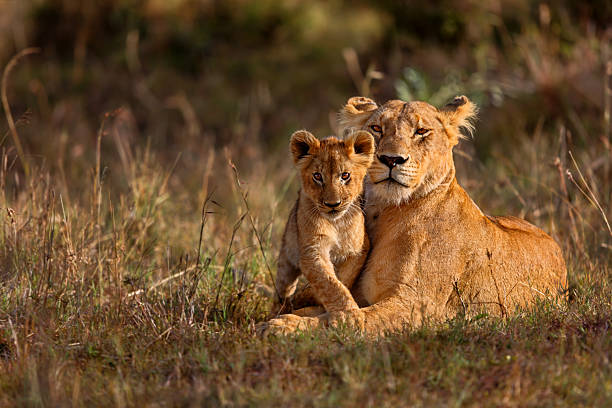
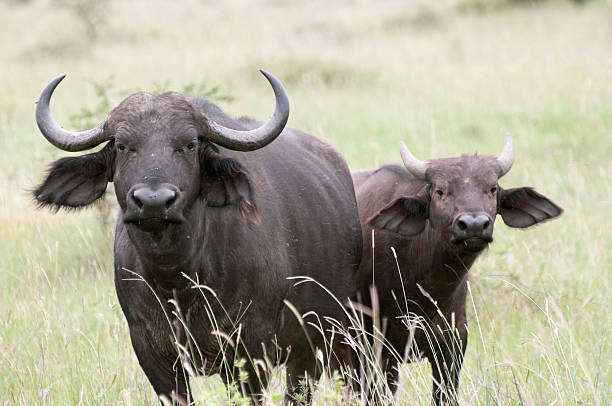
Lions, elephants, leopards, cheetahs, giraffes, zebras, wildebeest, rhinos, hippos, crocodiles, and exotic birds are common in safaris.
Recommended vaccinations: Yellow Fever, Hepatitis A/B, Tetanus. Malaria prophylaxis is advised for rural safari and trekking regions.
Yes, guided walking safaris are offered in parks like Tarangire and Arusha, allowing close encounters with nature and local flora/fauna.
Tanzania is generally safe. Solo travelers should follow guides’ advice, avoid isolated areas at night, and take standard precautions.
Neutral clothing, trekking shoes, hats, sunglasses, sunscreen, camera, binoculars, swimwear, and light jackets for cooler nights.
Yes! Many 2026–2027 packages include visits to Maasai villages, Hadzabe tribes, and historical sites alongside safaris.
Safaris use 4x4 vehicles with open roofs. Some tours include short domestic flights for park transfers or long-distance itineraries.
Yes. in 2026–2027 Luxury packages provide premium lodges, tents, private guides, personalized meals, and exclusive game drives or trekking services.
Parks like Arusha and Amboseli provide breathtaking views of Kilimanjaro along with wildlife sightings on safari.
It is recommended to book 4–6 months in advance for peak season (June–October) to ensure availability of accommodation and guides.