
Africa - Tanzania Safari Operator
Arusha - Moshi Tanzania
Planning a trip to Tanzania and wondering about your transportation options from Kilimanjaro International Airport (JRO)? Many travelers ask, "Is there Uber in Kilimanjaro Airport?" The short answer is: no, not in the traditional sense. Understanding the transportation landscape around JRO in 2026-2027 is crucial for a smooth and stress-free start to your safari adventure or mountain climb. This comprehensive guide will explore your options, helping you navigate the airport transfer process efficiently and safely.
Unlike many major international airports, Kilimanjaro Airport doesn't currently have Uber operating within its immediate vicinity. The regulatory environment in Tanzania, specifically concerning ride-hailing apps like Uber, remains less developed compared to Western nations. While Uber might expand its services to more African locations in the coming years (2026-2027 and beyond), there's no confirmed timeline for its arrival at JRO. Therefore, relying on Uber for your airport transfer is not a reliable option for your travel plans in 2026-2027.
This absence of Uber doesn't mean you're stranded. Plenty of alternative transportation methods exist, each with its own advantages and disadvantages. Choosing the right option depends on your budget, travel style, and the size of your group.
Pre-booking a private transfer is arguably the most convenient and reliable option for getting to and from Kilimanjaro Airport. Numerous reputable companies offer these services, providing comfortable vehicles and experienced drivers. You'll typically arrange the transfer online before your trip, specifying your flight details and destination. The driver will meet you at the arrivals hall, holding a sign with your name, ensuring a seamless transfer to your hotel or lodge. This eliminates the hassle of navigating unfamiliar surroundings and negotiating prices upon arrival, especially beneficial after a long flight. Prices vary depending on the distance, vehicle type (sedan, minivan, SUV), and the company. For 2026-2027 travel, booking well in advance is highly recommended, especially during peak tourist seasons.
Taxis are readily available outside Kilimanjaro Airport. However, negotiating a fare beforehand is crucial to avoid inflated prices. It's advisable to agree on a price before embarking on your journey. The quality of taxis can vary significantly, and the lack of a regulated system might lead to less reliable service compared to pre-booked options. While taxis can be a cheaper alternative to pre-booked transfers, the risk of overcharging or encountering less trustworthy drivers necessitates careful consideration. For a smooth experience in 2026-2027, consider using a reputable taxi company if possible, or at least having a local contact who can recommend a trustworthy driver.
Shuttle services offer a cost-effective solution, particularly for budget travelers. These shared rides transport multiple passengers to various destinations. They are often cheaper than private transfers but might take longer due to multiple drop-offs. For a smooth experience in 2026-2027, ensure you book the shuttle service in advance to avoid any potential delays or unavailability.
Purchasing a local SIM card upon arrival allows you to access local ride-hailing apps or use your phone to communicate with a pre-arranged driver. Although Uber may not be available, other local alternatives might emerge in 2026-2027. Researching these local options before your trip can offer valuable insights and increase your comfort levels. Always ensure you are using secure and reliable apps to book transportation.
Many hotels and lodges offer complimentary or paid airport transfer services. This is often the most stress-free option, especially if you are staying at a high-end establishment. Confirming this service with your hotel before your arrival, especially for 2026-2027 travel, is critical, as availability may fluctuate based on the season and demand.
Safety is paramount when traveling. Here are some tips for a secure transfer:
In 2026-2027, the answer remains a definitive no regarding the availability of Uber at Kilimanjaro Airport. However, numerous reliable and safe alternatives exist. Pre-booking a private transfer often provides the most convenient and hassle-free experience. Alternatively, taxis, shuttle services, and hotel pick-ups offer varying levels of cost-effectiveness and convenience. Researching and selecting the option that best suits your needs and budget will guarantee a smooth start and end to your trip to Tanzania.
A1: While Uber isn't available, there might be local ride-hailing apps that operate in the area. It's best to research Tanzanian ride-sharing options before your trip in 2026-2027 to see if any viable alternatives have emerged. Always verify their legitimacy and safety before use.
A2: The cost of a taxi from Kilimanjaro Airport to Arusha varies depending on the time of day, traffic, and negotiation skills. It’s advisable to negotiate the price beforehand. For 2026-2027, expect to pay more during peak seasons.
A3: While it’s generally safe, exercising caution is always recommended. Pre-booking a reputable taxi service is highly advisable for night travel in 2026-2027, particularly to avoid inflated fares or unreliable drivers.
A4: The travel time from Kilimanjaro Airport to Arusha typically ranges from 30 minutes to an hour, depending on traffic conditions and the chosen mode of transportation. Expect potential delays during peak seasons in 2026-2027.
A5: The Tanzanian shilling (TZS) is the official currency. While some drivers might accept US dollars, it's best to pay in TZS for a fairer exchange rate. This remains true for 2026-2027.
A6: Yes. Several reputable companies offer pre-booked transfers. Search online for "Kilimanjaro Airport transfers" or "Arusha airport transfers". Read reviews and compare prices before making a booking well in advance for your 2026-2027 travel plans.
A7: The best method depends on your lodge's location and your budget. Pre-booked private transfers are often the most convenient for lodges further from Arusha. For lodges closer to Arusha, a taxi or shuttle might be a suitable alternative. Always check with your lodge for recommendations.
A8: Tipping is customary in Tanzania. A small tip (around 10-15%) is appreciated for good service, particularly for private transfers. For taxis, a small tip is also appropriate depending on the service you received.
 Machame
Beginner-friendly Machame Route. Small group trekking for adventure seekers.
 Machame
Whiskey Route with better acclimatization and higher summit success rate.
 Group for Machame
Extended trekking for better acclimatization and higher chance to summit Kilimanjaro.
 Marangu Route Group
Classic “Coca-Cola Route”, moderate trekking experience. Popular for first-timers.
 Marangu Groups
Extended Marangu Route for better acclimatization and a safer summit attempt.
 Join Lemosho Group
Beautiful Lemosho Route through forests and moorlands. Excellent acclimatization for summit success.
 Join Lemosho Group
Longer trek ensures full acclimatization, more scenic experience, higher summit chances.
Find answers to all your questions about Tanzania safaris, Kilimanjaro trekking, beach holidays, cultural tours, and more for your 2026–2027 adventures!
The dry season from June to October is best for wildlife viewing. Wet months (November–May) offer lush scenery and fewer tourists, great for birdwatching.
The optimal months are January–March and June–October. These periods have less rain, clearer skies, and better trekking conditions.
Yes! Many 2026–2027 packages combine Serengeti or Ngorongoro safaris with relaxing beach stays in Zanzibar or Pemba.
Absolutely! Family-friendly safaris include short drives, child-safe accommodations, and educational experiences with wildlife and culture.
The Serengeti (Northern & Central) and Ngorongoro Conservation Area are prime locations to witness the Great Migration in 2026–2027.
Safaris range from 3–14 days. 7–10 days is ideal to visit multiple parks, see wildlife, and enjoy a well-paced experience.
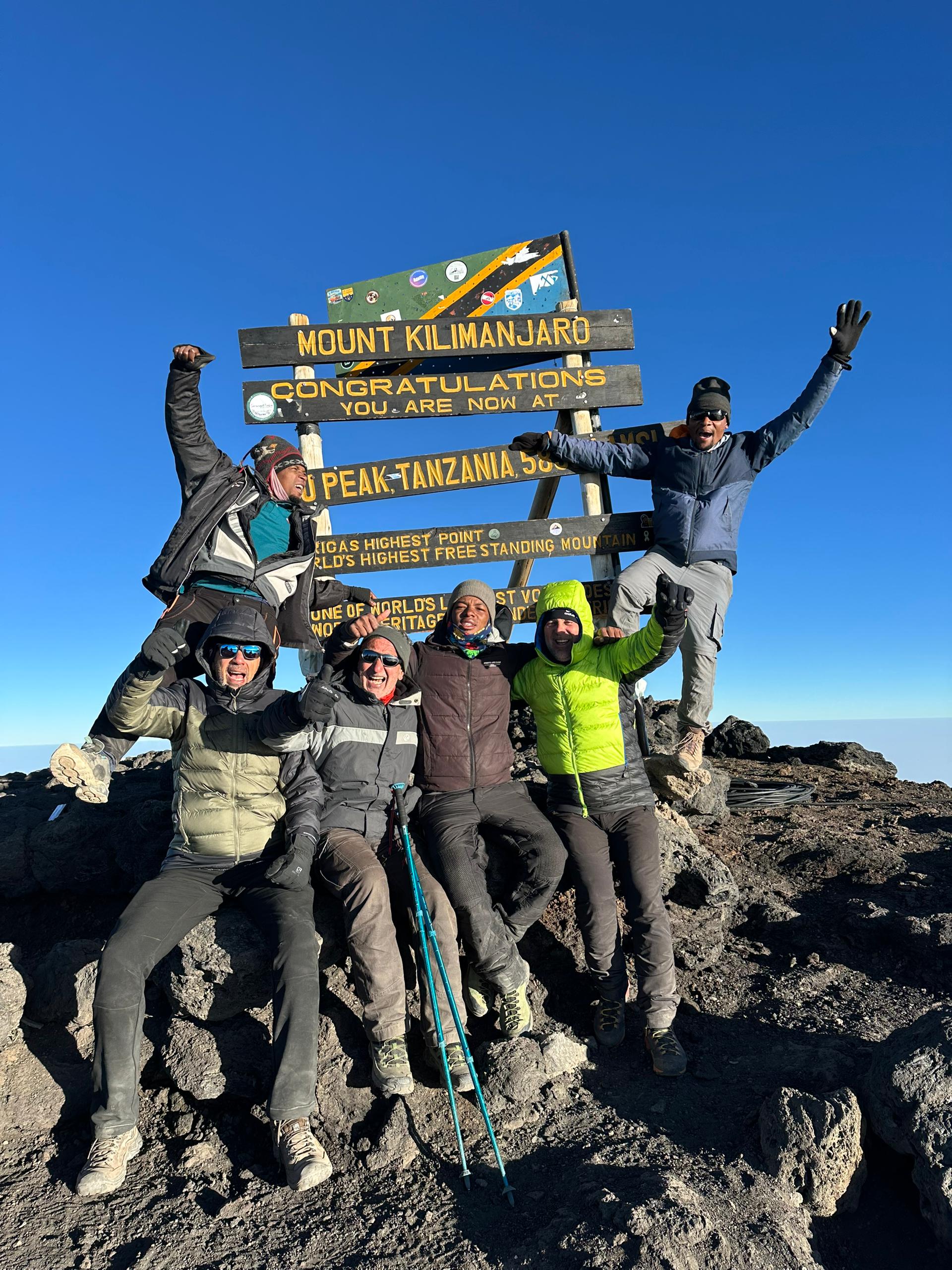
Machame, Marangu, Lemosho, Rongai, and Northern Circuit are popular. Lemosho and Machame offer scenic routes and higher summit success rates.
Yes, guides and porters are required by Tanzanian law. They ensure safety, carry gear, and assist with altitude challenges.
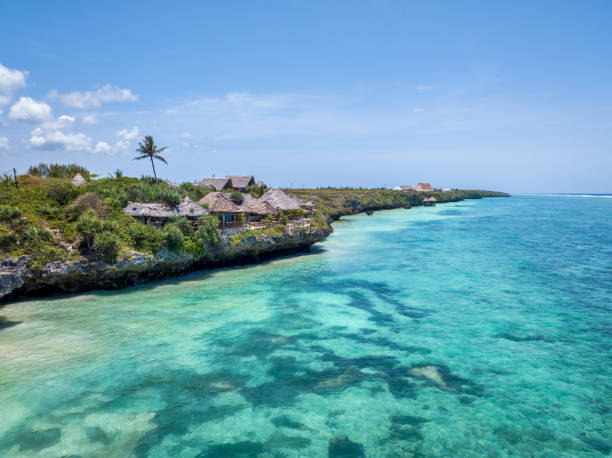
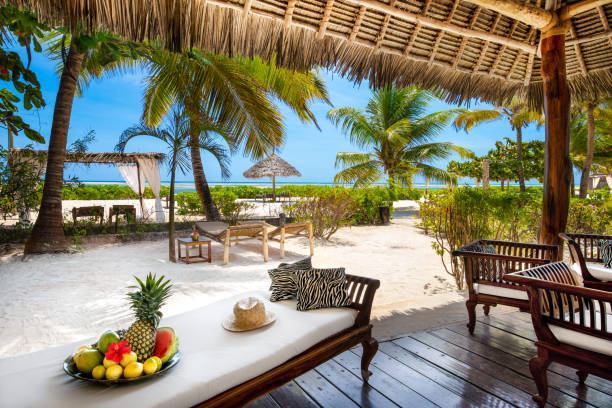
Zanzibar and Pemba offer safe resorts, calm waters, and family activities. Always follow resort safety guidelines for water activities.
Yes, private and custom itineraries allow flexibility in duration, parks, and accommodations for 2026–2027 trips.
Costs vary by duration, accommodation, and inclusions. Budget safaris start around $1,000, while luxury safaris may exceed $5,000.
Most safaris include meals. Kilimanjaro climbs provide full-board meals, including snacks and hot drinks during trekking days.
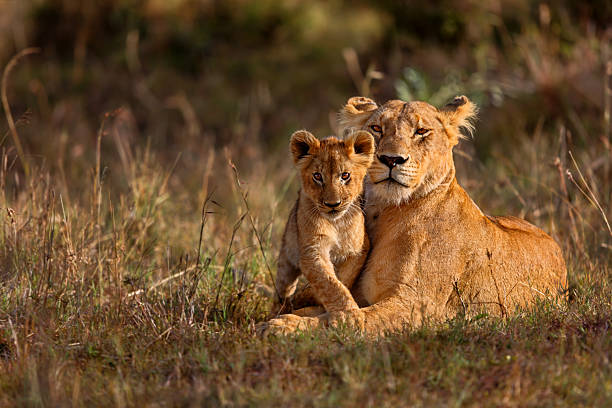
Lions, elephants, leopards, cheetahs, giraffes, zebras, wildebeest, rhinos, hippos, crocodiles, and exotic birds are common in safaris.
Recommended vaccinations: Yellow Fever, Hepatitis A/B, Tetanus. Malaria prophylaxis is advised for rural safari and trekking regions.
Yes, guided walking safaris are offered in parks like Tarangire and Arusha, allowing close encounters with nature and local flora/fauna.
Tanzania is generally safe. Solo travelers should follow guides’ advice, avoid isolated areas at night, and take standard precautions.
Neutral clothing, trekking shoes, hats, sunglasses, sunscreen, camera, binoculars, swimwear, and light jackets for cooler nights.
Yes! Many 2026–2027 packages include visits to Maasai villages, Hadzabe tribes, and historical sites alongside safaris.
Safaris use 4x4 vehicles with open roofs. Some tours include short domestic flights for park transfers or long-distance itineraries.
Yes. in 2026–2027 Luxury packages provide premium lodges, tents, private guides, personalized meals, and exclusive game drives or trekking services.
Parks like Arusha and Amboseli provide breathtaking views of Kilimanjaro along with wildlife sightings on safari.
It is recommended to book 4–6 months in advance for peak season (June–October) to ensure availability of accommodation and guides.