
Africa - Tanzania Safari Operator
Arusha - Moshi Tanzania


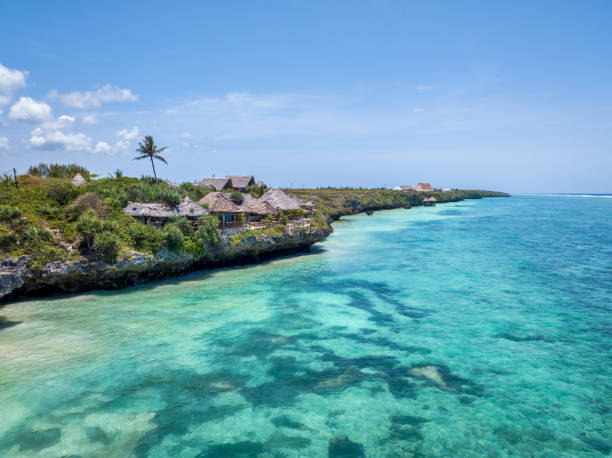

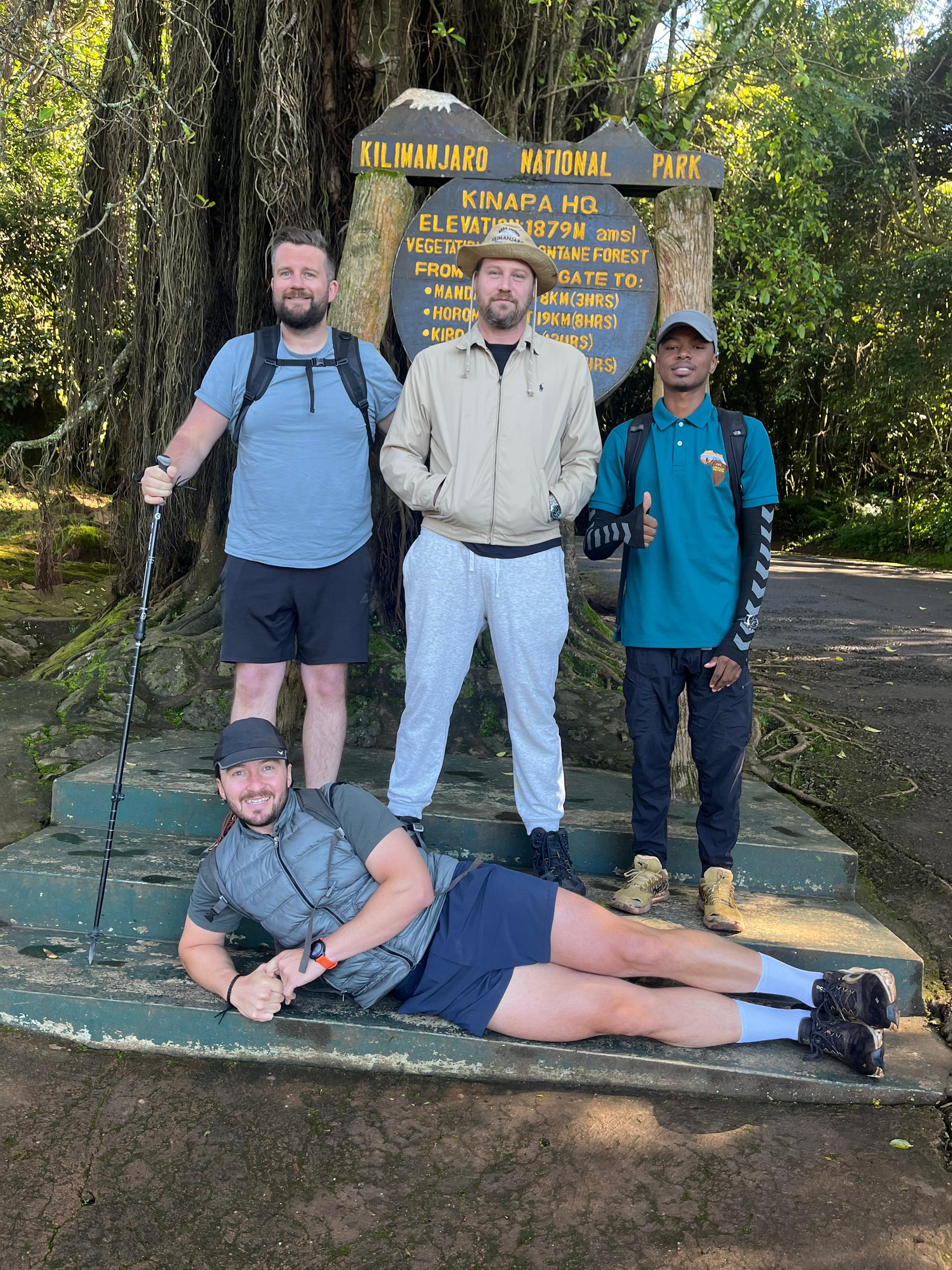
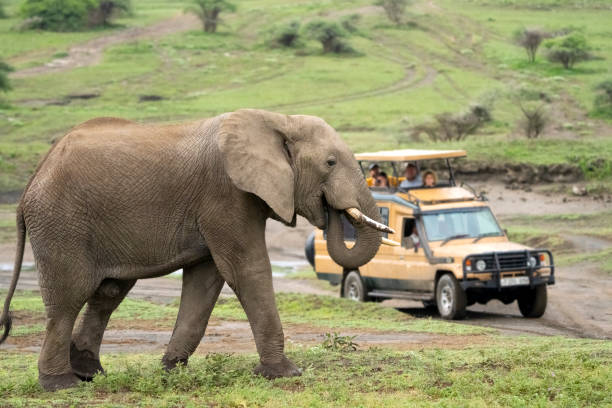
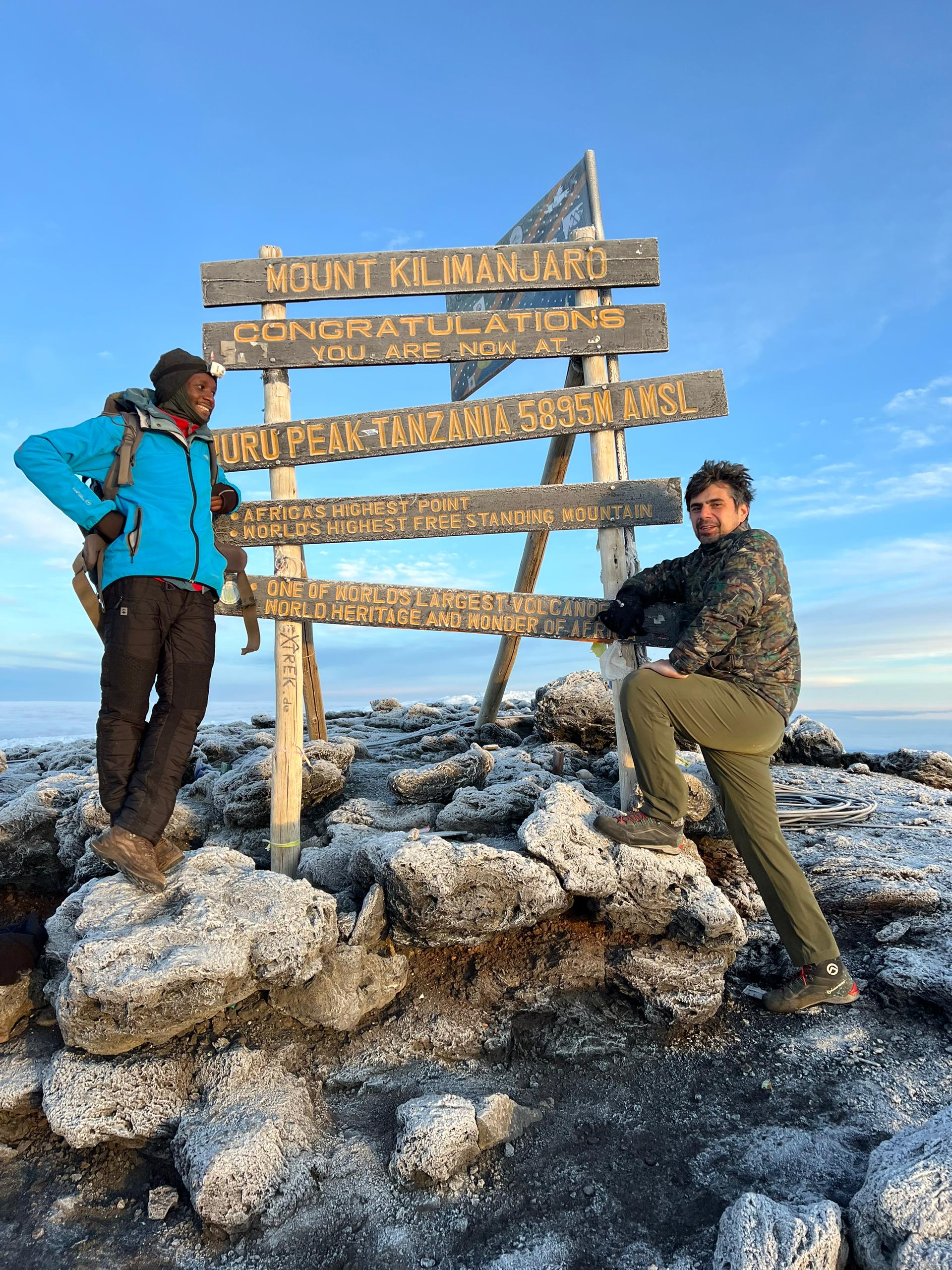

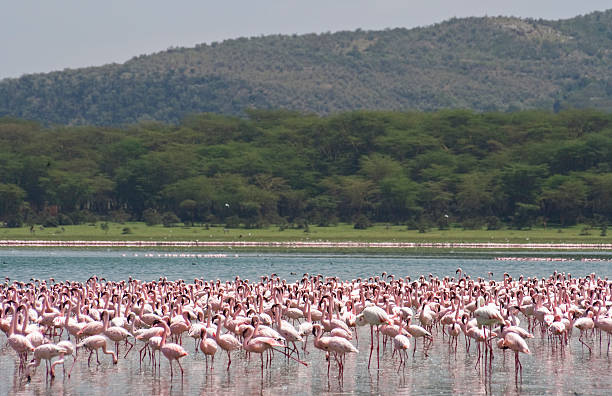
Lake Natron, located in the Arusha Region of northern Tanzania, is renowned for its otherworldly beauty and extreme conditions. Its vibrant, blood-red waters, sculpted by unique geological formations, have captivated scientists and adventurers alike. But one question frequently arises: are there any fish in Lake Natron 2026-2027? The answer, as we'll explore, is complex and depends on a delicate balance of factors that make this lake one of the most challenging environments on Earth for aquatic life. Understanding the current state of Lake Natron and projecting into 2026-2027 requires examining the lake's unique characteristics and the resilience (or lack thereof) of its potential inhabitants.
Lake Natron's extreme alkalinity is its most defining feature. The pH levels can reach as high as 10.5, making the water incredibly caustic. This high pH is a result of the volcanic activity in the region, with rivers feeding the lake carrying dissolved minerals, including sodium carbonate. This chemical composition makes the lake's water highly saline and incredibly hostile to most forms of life. This is a key reason why the question, "are there any fish in Lake Natron 2026-2027?" is so significant. The extreme conditions make survival for most species virtually impossible.
Furthermore, Lake Natron's water temperature fluctuates significantly throughout the year. The intense heat from the sun, combined with the shallow depths in many areas, leads to dramatic temperature swings that add another layer of complexity to the survival of any potential fish populations. These thermal fluctuations can stress aquatic organisms, impacting their reproductive cycles and overall health. Considering these factors when trying to determine if there are any fish in Lake Natron 2026-2027 is critical.
The lake's salinity is also a significant factor. While not as extreme as the Dead Sea, the high salt concentration restricts the types of organisms that can potentially thrive. Many fish species are simply unable to osmoregulate effectively in such a saline environment, meaning they cannot maintain the proper balance of water and salts within their bodies. Therefore, the question of are there any fish in Lake Natron 2026-2027? needs to be viewed within this context of extreme salinity.
While the extreme conditions of Lake Natron strongly suggest a limited aquatic life, there have been reports of a few species of fish showing a surprising degree of tolerance. However, these reports are often anecdotal and haven't been widely substantiated by comprehensive scientific studies. Finding definitive proof to answer, "are there any fish in Lake Natron 2026-2027?" requires extensive and rigorous research.
Past research has focused primarily on the extremophile organisms inhabiting Lake Natron, including specialized bacteria and algae that have adapted to the harsh conditions. These organisms play a critical role in the lake's ecosystem, but they are not fish. Any fish present would likely represent a similarly adapted, and possibly rare, species.
It is crucial to understand that the presence of fish might not be consistent across the entire lake. Certain microhabitats, such as areas with slightly lower salinity or temperature variations, might provide more favorable conditions for some species. Therefore, a comprehensive assessment across different areas of the lake would be needed to accurately answer, "are there any fish in Lake Natron 2026-2027?"
Climate change presents another layer of uncertainty when attempting to predict the presence of fish in Lake Natron in 2026-2027. Changes in rainfall patterns, increased temperatures, and altered water flow from rivers can significantly impact the lake's salinity, alkalinity, and overall water chemistry. These changes could potentially either make conditions slightly more hospitable for certain hardy fish species or even make them more inhospitable, further threatening any existing populations. The delicate balance in this extreme environment means predicting the presence or absence of fish is challenging.
Furthermore, human activities in the surrounding area also impact Lake Natron. Agricultural runoff, industrial pollution, and changes in land use can introduce additional contaminants, potentially affecting the lake's ecosystem and its suitability for aquatic life. These factors complicate the question of "are there any fish in Lake Natron 2026-2027?" making a definitive statement difficult.
To gain a clearer understanding of the aquatic life in Lake Natron and answer the question definitively, continued and comprehensive research is essential. This research should involve multiple disciplines, including limnology (the study of lakes), ichthyology (the study of fish), and environmental science, to fully characterize the lake's ecosystem and its potential for supporting fish life. Monitoring changes in the lake's physical and chemical properties over time is crucial to understanding the impact of climate change and human activities.
Furthermore, DNA barcoding and other advanced molecular techniques can be employed to identify any fish species present, even at low abundance. This approach offers a powerful tool to detect the presence of species that may be missed by traditional methods. Therefore, research focusing on "are there any fish in Lake Natron 2026-2027?" needs to employ cutting edge technologies.
Here are some frequently asked questions about the presence of fish in Lake Natron, along with their answers:
A1: While highly improbable due to the extreme conditions, it is not definitively proven that Lake Natron is completely devoid of all fish species. The possibility of extremely specialized, highly adapted species existing in specific microhabitats remains.
A2: Any fish surviving in Lake Natron would need extraordinary adaptations to tolerate the high pH, salinity, and temperature fluctuations. These would likely be species with highly specialized osmoregulatory mechanisms and tolerance to extreme alkalinity.
A3: While large-scale research directly aimed at fish populations is relatively limited, ongoing ecological studies of the entire lake ecosystem may indirectly contribute to a better understanding of any potential fish presence.
A4: Absolutely. Climate change-induced alterations in water chemistry, temperature, and rainfall could either make conditions more or less hospitable for fish, making predictions challenging.
A5: Lake Natron supports a surprising diversity of extremophile organisms, including specialized bacteria and algae, which are adapted to the harsh conditions.
A6: No, swimming in Lake Natron is extremely dangerous. The high pH and salinity levels can cause severe burns and skin irritation.
A7: The red color comes from the presence of cyanobacteria, a type of extremophile bacteria that thrives in the alkaline environment.
A8: Supporting research efforts, raising awareness about the importance of conservation in the region, and promoting sustainable tourism practices can all contribute to a better understanding of Lake Natron's unique environment.
In conclusion, while the presence of fish in Lake Natron is highly improbable given the extreme conditions, the possibility remains. Further research is needed to definitively answer whether there are any fish in Lake Natron in 2026-2027. The unique environment of Lake Natron presents a fascinating scientific challenge, highlighting the incredible adaptability of life in the face of extreme conditions. Ongoing study and monitoring will be crucial to understanding this dynamic ecosystem and its future.
 Machame
Beginner-friendly Machame Route. Small group trekking for adventure seekers.
 Machame
Whiskey Route with better acclimatization and higher summit success rate.
 Group for Machame
Extended trekking for better acclimatization and higher chance to summit Kilimanjaro.
 Marangu Route Group
Classic “Coca-Cola Route”, moderate trekking experience. Popular for first-timers.
 Marangu Groups
Extended Marangu Route for better acclimatization and a safer summit attempt.
 Join Lemosho Group
Beautiful Lemosho Route through forests and moorlands. Excellent acclimatization for summit success.
 Join Lemosho Group
Longer trek ensures full acclimatization, more scenic experience, higher summit chances.
Find answers to all your questions about Tanzania safaris, Kilimanjaro trekking, beach holidays, cultural tours, and more for your 2026–2027 adventures!
The dry season from June to October is best for wildlife viewing. Wet months (November–May) offer lush scenery and fewer tourists, great for birdwatching.
The optimal months are January–March and June–October. These periods have less rain, clearer skies, and better trekking conditions.
Yes! Many 2026–2027 packages combine Serengeti or Ngorongoro safaris with relaxing beach stays in Zanzibar or Pemba.
Absolutely! Family-friendly safaris include short drives, child-safe accommodations, and educational experiences with wildlife and culture.
The Serengeti (Northern & Central) and Ngorongoro Conservation Area are prime locations to witness the Great Migration in 2026–2027.
Safaris range from 3–14 days. 7–10 days is ideal to visit multiple parks, see wildlife, and enjoy a well-paced experience.
Machame, Marangu, Lemosho, Rongai, and Northern Circuit are popular. Lemosho and Machame offer scenic routes and higher summit success rates.
Yes, guides and porters are required by Tanzanian law. They ensure safety, carry gear, and assist with altitude challenges.
Zanzibar and Pemba offer safe resorts, calm waters, and family activities. Always follow resort safety guidelines for water activities.
Yes, private and custom itineraries allow flexibility in duration, parks, and accommodations for 2026–2027 trips.
Costs vary by duration, accommodation, and inclusions. Budget safaris start around $1,000, while luxury safaris may exceed $5,000.
Most safaris include meals. Kilimanjaro climbs provide full-board meals, including snacks and hot drinks during trekking days.
Lions, elephants, leopards, cheetahs, giraffes, zebras, wildebeest, rhinos, hippos, crocodiles, and exotic birds are common in safaris.
Recommended vaccinations: Yellow Fever, Hepatitis A/B, Tetanus. Malaria prophylaxis is advised for rural safari and trekking regions.
Yes, guided walking safaris are offered in parks like Tarangire and Arusha, allowing close encounters with nature and local flora/fauna.
Tanzania is generally safe. Solo travelers should follow guides’ advice, avoid isolated areas at night, and take standard precautions.
Neutral clothing, trekking shoes, hats, sunglasses, sunscreen, camera, binoculars, swimwear, and light jackets for cooler nights.
Yes! Many 2026–2027 packages include visits to Maasai villages, Hadzabe tribes, and historical sites alongside safaris.
Safaris use 4x4 vehicles with open roofs. Some tours include short domestic flights for park transfers or long-distance itineraries.
Yes. in 2026–2027 Luxury packages provide premium lodges, tents, private guides, personalized meals, and exclusive game drives or trekking services.
Parks like Arusha and Amboseli provide breathtaking views of Kilimanjaro along with wildlife sightings on safari.
It is recommended to book 4–6 months in advance for peak season (June–October) to ensure availability of accommodation and guides.