
Africa - Tanzania Safari Operator
Arusha - Moshi Tanzania
Planning a Tanzania safari in 2026-2027? The thrill of witnessing the Great Migration, encountering majestic elephants, and exploring the Serengeti's vast plains is undeniable. However, your dream safari can be significantly impacted by unwanted guests: mosquitoes. Understanding how to avoid mosquitoes on your Tanzania safari is crucial for a comfortable and healthy trip. This comprehensive guide will equip you with the knowledge and strategies to minimize mosquito bites and protect yourself from mosquito-borne illnesses. Planning ahead and taking proactive measures will ensure your Tanzania safari 2026-2027 remains a memorable adventure, free from the nuisance and potential dangers of mosquitoes.
Tanzania, with its diverse landscapes and abundant water sources, provides an ideal breeding ground for various mosquito species. Some of these mosquitoes carry diseases like malaria, dengue fever, Zika virus, and chikungunya. The risk of encountering mosquitoes varies depending on the location, time of year, and weather conditions. National parks and game reserves, while teeming with wildlife, also often have mosquito populations. Therefore, avoiding mosquitoes on your Tanzania safari is paramount to safeguarding your health and enjoying your trip to the fullest. The risk is particularly high during and after the rainy season (typically November to May), when mosquito populations explode. Even during the dry season (June to October), mosquitoes can still be present, particularly near water sources and in the evenings.
Knowing the potential risks associated with mosquito bites is the first step towards effectively avoiding mosquitoes on your Tanzania safari. Malaria, for instance, is a serious concern, and preventative measures are essential. Other mosquito-borne illnesses can also cause significant discomfort and illness, disrupting your travel plans. By taking preventative steps, you reduce your risk of contracting these diseases and enhance your overall safari experience. Remember that planning your trip with avoiding mosquitoes on your Tanzania safari in mind is crucial for your peace of mind.
Mosquito repellents are your best allies in the fight against mosquitoes. Choose a repellent containing DEET (N,N-diethyl-meta-toluamide), picaridin, IR3535, or oil of lemon eucalyptus (OLE). DEET offers the longest-lasting protection but can be harsh on some skin types. Picaridin and IR3535 are effective alternatives that are generally gentler on the skin. Always follow the manufacturer's instructions and reapply as needed, especially after swimming or sweating. Applying repellent regularly is key to avoiding mosquitoes on your Tanzania safari.
Wearing light-colored, loose-fitting clothing can help to avoid mosquitoes on your Tanzania safari. Light colours make it easier to spot any mosquitoes that may land on your clothing. Loose clothing prevents mosquitoes from getting close to your skin. Long sleeves and long pants, especially during dawn and dusk when mosquitoes are most active, are highly recommended. Consider tucking your pants into your socks to create a further barrier against persistent mosquitoes. Remember, layering clothing offers better protection against mosquitoes. For optimal protection in avoiding mosquitoes on your Tanzania safari 2026-2027, choose clothing that is treated with permethrin, an insecticide that repels and kills mosquitoes.
Mosquito nets are indispensable for avoiding mosquitoes on your Tanzania safari, particularly at night. Use a treated mosquito net that is finely woven to prevent mosquitoes from penetrating. Ensure the net is properly tucked under your mattress and around your bed to seal any entry points. Checking your net for holes before use is also vital. A mosquito net offers essential protection while sleeping, as mosquitoes are most active during the night. This is a critical component of avoiding mosquitoes on your Tanzania safari 2026-2027.
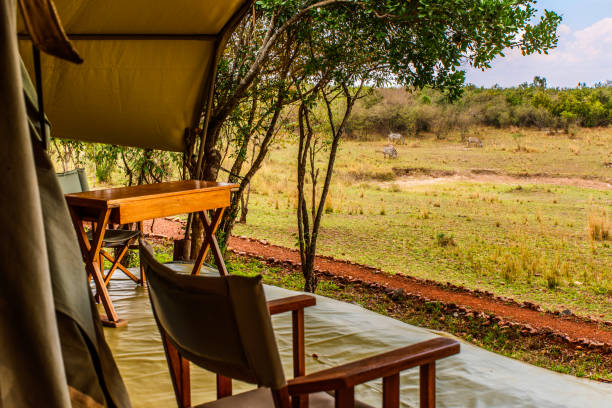
Choosing your accommodation carefully can significantly impact your ability to avoid mosquitoes on your Tanzania safari. Lodges and camps equipped with mosquito netting, screens on windows and doors, and effective mosquito control measures provide a much safer environment. Inquire about the specific measures taken by your chosen accommodation to manage mosquito populations. Selecting accommodations that prioritize mosquito control is vital for avoiding mosquitoes on your Tanzania safari 2026-2027. Always confirm the presence of mosquito nets and screens before settling into your room.
Mosquitoes are most active at dawn and dusk. Scheduling your outdoor activities during the hottest parts of the day, when mosquitoes are less prevalent, can significantly reduce your chances of being bitten. This is a valuable strategy for avoiding mosquitoes on your Tanzania safari. If you have to be outside during peak mosquito hours, utilize all available mosquito repellent strategies. Knowing the mosquito activity patterns helps you plan your activities effectively to better avoid mosquitoes on your Tanzania safari 2026-2027.
Before your Tanzania safari 2026-2027, consult your doctor about malaria prophylaxis. They can recommend appropriate antimalarial medication based on your individual health and travel itinerary. Taking preventative antimalarial medication is often a crucial step in avoiding mosquitoes on your Tanzania safari and minimizing the potential severity of a malaria infection. Discuss potential side effects and ensure you have a sufficient supply of medication for the duration of your trip. This is especially important for avoiding mosquitoes on your Tanzania safari in high-risk areas.
A1: No, not all mosquitoes in Tanzania carry diseases. However, several species can transmit malaria, dengue fever, Zika virus, and other illnesses. It's essential to take precautions to avoid mosquitoes on your Tanzania safari regardless.
A2: Repellents containing DEET, picaridin, IR3535, or oil of lemon eucalyptus (OLE) are all effective. Choose the one that best suits your skin type and follow the manufacturer's instructions. Remember, consistent application is key to avoiding mosquitoes on your Tanzania safari.
A3: Mosquito nets are highly effective, especially when used correctly. Ensure the net is properly tucked in and free of holes. Using a treated net further enhances protection. Mosquito nets are a critical element of avoiding mosquitoes on your Tanzania safari.
A4: Clean the bite with soap and water. Apply a cold compress to reduce swelling and itching. If you develop symptoms such as fever, headache, or rash, seek medical attention immediately. Prompt action is crucial when avoiding mosquitoes on your Tanzania safari complications.
A5: While some natural remedies claim to repel mosquitoes, their effectiveness is often limited compared to commercially available repellents. Relying solely on natural methods may not be sufficient for comprehensive protection when avoiding mosquitoes on your Tanzania safari.
A6: Yes, malaria is a significant risk in many parts of Tanzania. Consulting your doctor about preventative measures, including antimalarial medication, is crucial before your trip to help you avoid mosquitoes on your Tanzania safari and mitigate potential health risks.
A7: Research lodges and camps thoroughly. Look for reviews mentioning mosquito control measures like screened windows and doors, mosquito nets, and active pest control strategies. Asking specific questions to your safari operator about their mosquito management is important to avoid mosquitoes on your Tanzania safari.
A8: Seek medical attention immediately. Early diagnosis and treatment are crucial for managing mosquito-borne illnesses. This is the most important step if you have failed to avoid mosquitoes on your Tanzania safari and suspect an infection.
By diligently following these strategies and taking proactive measures, you can significantly reduce your risk of mosquito bites and ensure a safe and enjoyable Tanzania safari 2026-2027. Remember that planning ahead and being prepared are your best defenses against these pesky insects. Prioritizing avoiding mosquitoes on your Tanzania safari will greatly enhance your overall experience, allowing you to focus on the incredible wildlife and breathtaking landscapes that Tanzania has to offer.
 Machame
Beginner-friendly Machame Route. Small group trekking for adventure seekers.
 Machame
Whiskey Route with better acclimatization and higher summit success rate.
 Group for Machame
Extended trekking for better acclimatization and higher chance to summit Kilimanjaro.
 Marangu Route Group
Classic “Coca-Cola Route”, moderate trekking experience. Popular for first-timers.
 Marangu Groups
Extended Marangu Route for better acclimatization and a safer summit attempt.
 Join Lemosho Group
Beautiful Lemosho Route through forests and moorlands. Excellent acclimatization for summit success.
 Join Lemosho Group
Longer trek ensures full acclimatization, more scenic experience, higher summit chances.
Find answers to all your questions about Tanzania safaris, Kilimanjaro trekking, beach holidays, cultural tours, and more for your 2026–2027 adventures!
The dry season from June to October is best for wildlife viewing. Wet months (November–May) offer lush scenery and fewer tourists, great for birdwatching.
The optimal months are January–March and June–October. These periods have less rain, clearer skies, and better trekking conditions.
Yes! Many 2026–2027 packages combine Serengeti or Ngorongoro safaris with relaxing beach stays in Zanzibar or Pemba.
Absolutely! Family-friendly safaris include short drives, child-safe accommodations, and educational experiences with wildlife and culture.
The Serengeti (Northern & Central) and Ngorongoro Conservation Area are prime locations to witness the Great Migration in 2026–2027.
Safaris range from 3–14 days. 7–10 days is ideal to visit multiple parks, see wildlife, and enjoy a well-paced experience.
Machame, Marangu, Lemosho, Rongai, and Northern Circuit are popular. Lemosho and Machame offer scenic routes and higher summit success rates.
Yes, guides and porters are required by Tanzanian law. They ensure safety, carry gear, and assist with altitude challenges.
Zanzibar and Pemba offer safe resorts, calm waters, and family activities. Always follow resort safety guidelines for water activities.
Yes, private and custom itineraries allow flexibility in duration, parks, and accommodations for 2026–2027 trips.
Costs vary by duration, accommodation, and inclusions. Budget safaris start around $1,000, while luxury safaris may exceed $5,000.
Most safaris include meals. Kilimanjaro climbs provide full-board meals, including snacks and hot drinks during trekking days.
Lions, elephants, leopards, cheetahs, giraffes, zebras, wildebeest, rhinos, hippos, crocodiles, and exotic birds are common in safaris.
Recommended vaccinations: Yellow Fever, Hepatitis A/B, Tetanus. Malaria prophylaxis is advised for rural safari and trekking regions.
Yes, guided walking safaris are offered in parks like Tarangire and Arusha, allowing close encounters with nature and local flora/fauna.
Tanzania is generally safe. Solo travelers should follow guides’ advice, avoid isolated areas at night, and take standard precautions.
Neutral clothing, trekking shoes, hats, sunglasses, sunscreen, camera, binoculars, swimwear, and light jackets for cooler nights.
Yes! Many 2026–2027 packages include visits to Maasai villages, Hadzabe tribes, and historical sites alongside safaris.
Safaris use 4x4 vehicles with open roofs. Some tours include short domestic flights for park transfers or long-distance itineraries.
Yes. in 2026–2027 Luxury packages provide premium lodges, tents, private guides, personalized meals, and exclusive game drives or trekking services.
Parks like Arusha and Amboseli provide breathtaking views of Kilimanjaro along with wildlife sightings on safari.
It is recommended to book 4–6 months in advance for peak season (June–October) to ensure availability of accommodation and guides.