
Africa - Tanzania Safari Operator
Arusha - Moshi Tanzania
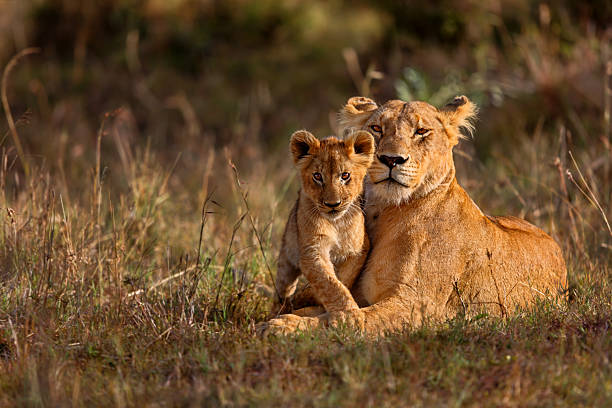
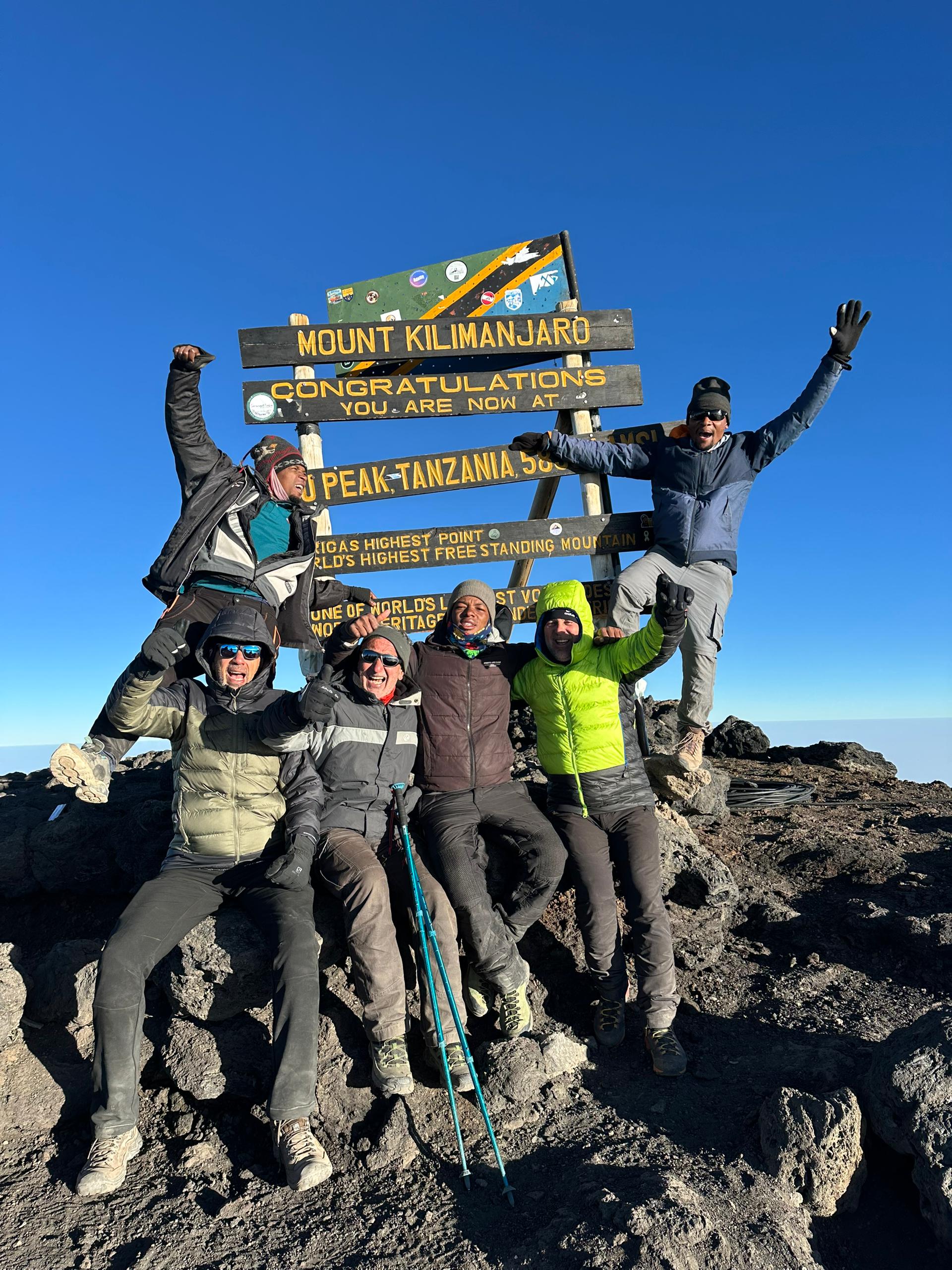
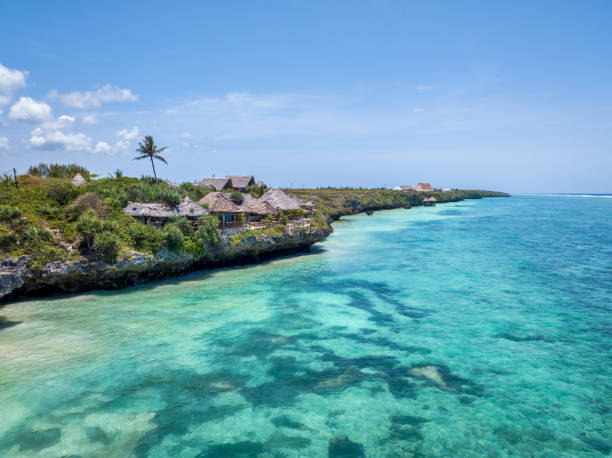
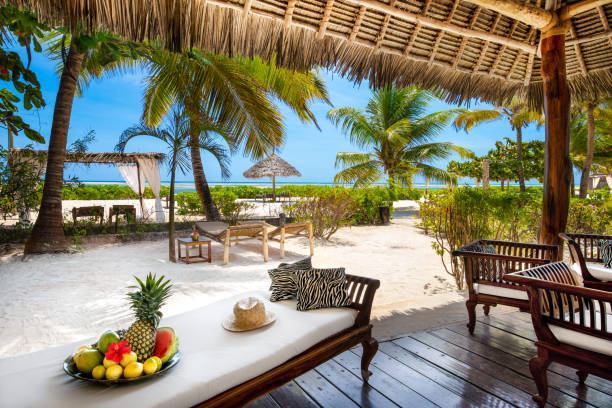
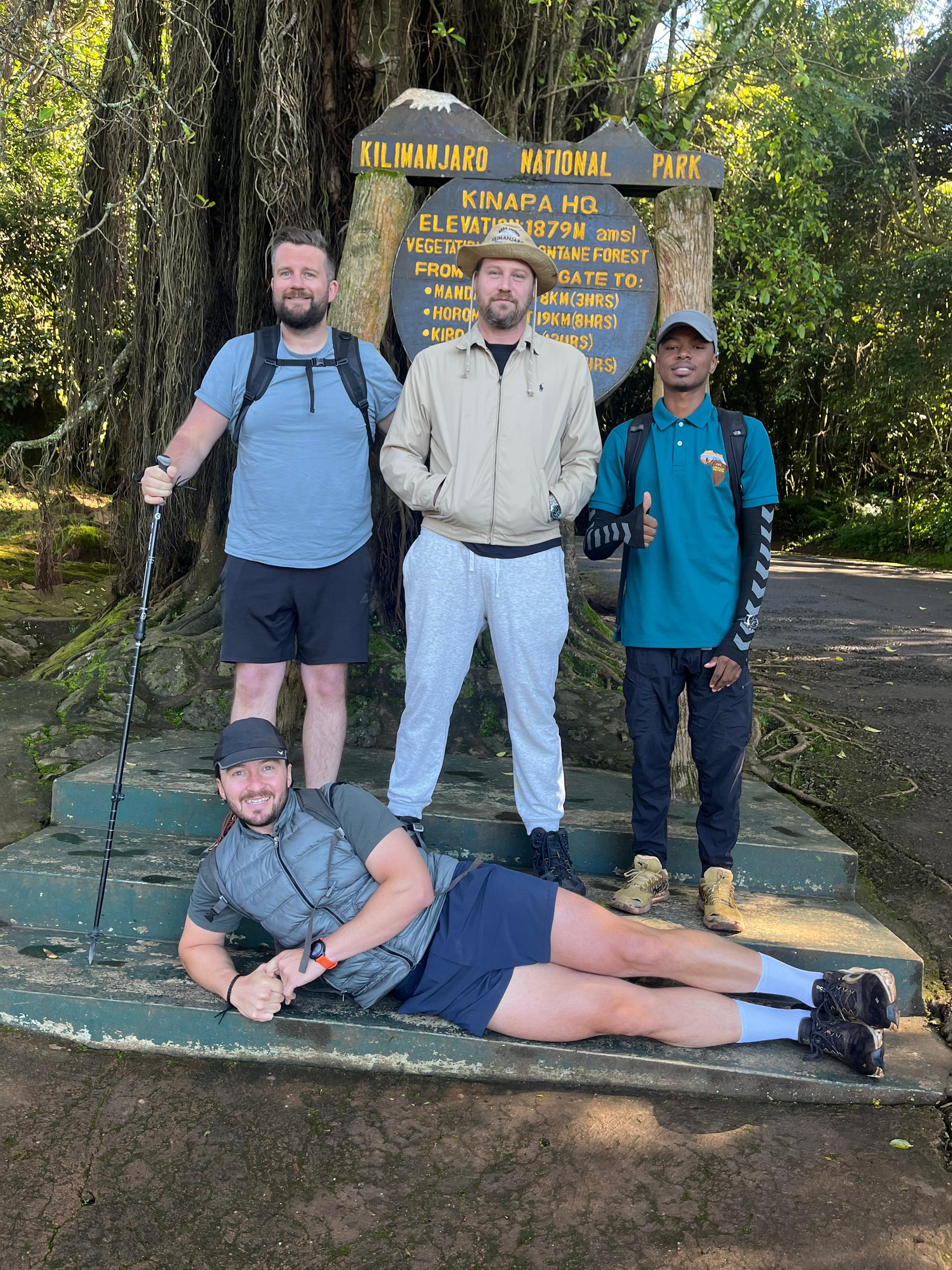
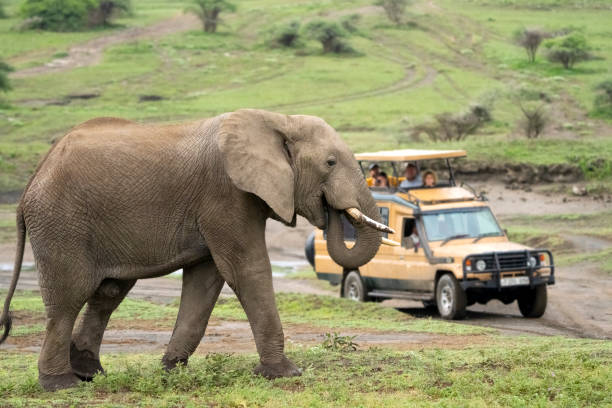
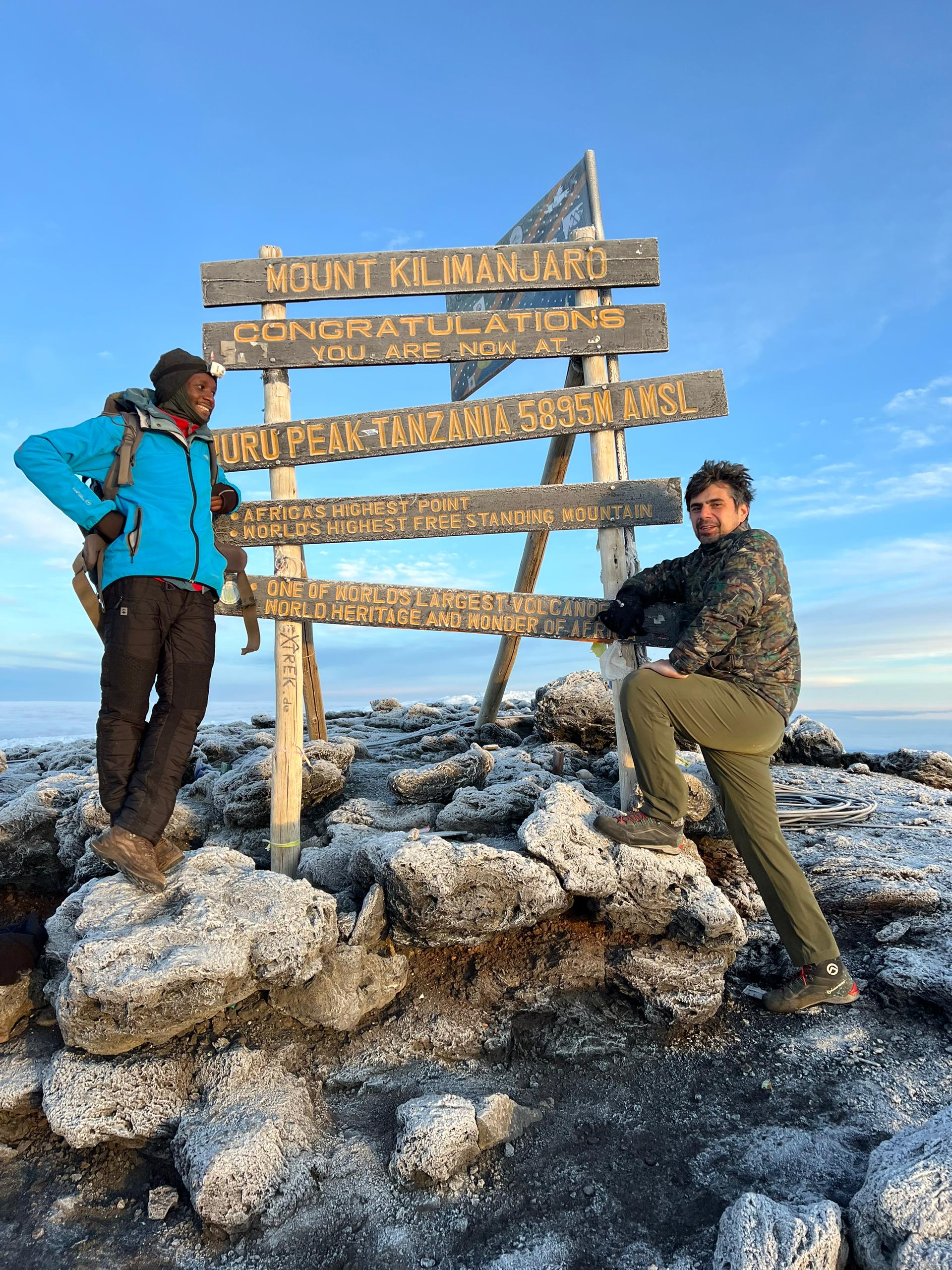
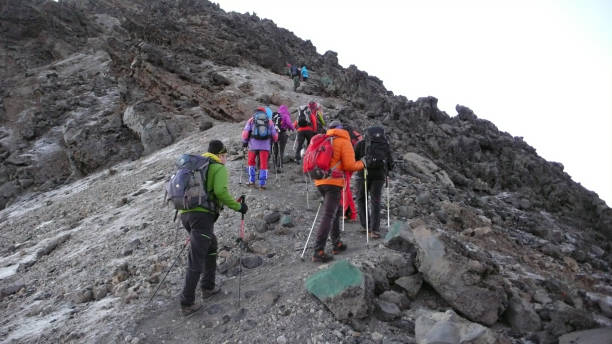
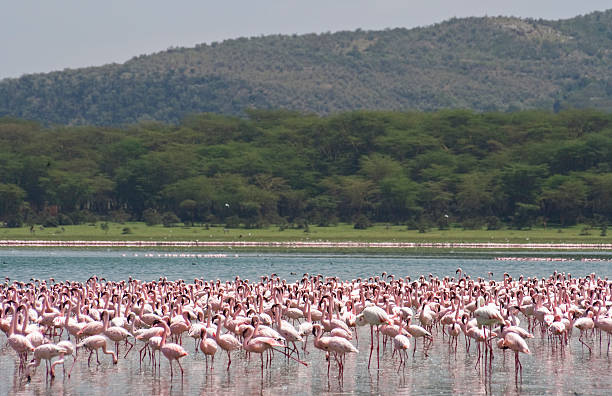
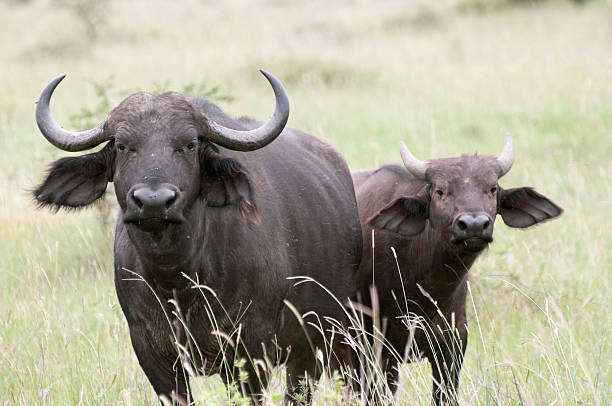
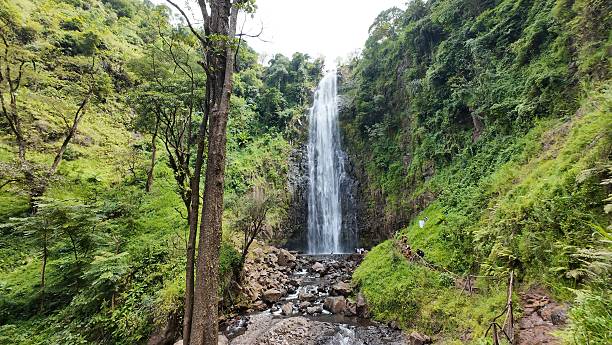
Planning a Tanzania safari is an exciting adventure, but it can also be a minefield of scams and fraudulent operators if you're not careful. With the tourism industry booming in Tanzania, especially for safaris, it’s crucial to know how to avoid scams when booking Tanzania safari in 2026–2027. This guide will walk you through everything you need to know, from identifying red flags to choosing the right tour operator, ensuring your safari is unforgettable for all the right reasons.
Tanzania’s safari industry is one of the most sought-after experiences in the world, attracting thousands of tourists annually. Unfortunately, this popularity also attracts unscrupulous operators looking to exploit unsuspecting travelers. Common scams include fake websites, hidden fees, unlicensed guides, and substandard accommodations. By understanding these risks, you can take proactive steps to avoid scams when booking Tanzania safari in 2026–2027.
Start by researching reputable tour operators like Climb 4 Africa, which has a proven track record of providing authentic safari experiences. Look for reviews, testimonials, and certifications to verify their credibility.
Ensure the tour operator is licensed by the Tanzania Tourist Board and has certifications from recognized bodies like TATO (Tanzania Association of Tour Operators).
Check platforms like TripAdvisor, Google Reviews, and Trustpilot for honest feedback from previous clients. Be wary of operators with overwhelmingly negative reviews or no reviews at all.
If a safari package seems unusually cheap, it’s likely a scam. Compare prices across multiple operators to get a realistic sense of what a Tanzania safari should cost in 2026–2027.
Speak directly with the tour operator via phone or video call to confirm details and ensure they are legitimate. Avoid booking through third-party platforms that lack transparency.
Knowing the real costs of a Tanzania safari is essential to avoid scams. Below is a breakdown of average prices for different types of safaris:
| Safari Type | Duration | Average Cost (USD) |
|---|---|---|
| Budget Safari | 3–5 days | $1,000–$1,500 |
| Mid-Range Safari | 5–7 days | $2,000–$3,500 |
| Luxury Safari | 7–10 days | $4,000–$7,000 |
If the operator is vague about costs, itineraries, or inclusions, it’s a red flag. Reputable companies like Climb 4 Africa provide detailed breakdowns of what’s included in the package.
Scammers often pressure travelers to pay large sums upfront without providing proper documentation. Always insist on a contract or invoice.
Poor grammar, delayed responses, and unprofessional behavior are signs of a scam. Trust operators who communicate clearly and promptly.
Arrive at Kilimanjaro International Airport and transfer to your hotel in Arusha. Rest and prepare for your safari adventure.
Depart for Tarangire National Park, known for its large elephant herds and baobab trees. Enjoy a game drive and overnight at a lodge.
Travel to the iconic Serengeti National Park. Witness the Great Migration (seasonal) and enjoy a sunset game drive.
Descend into the Ngorongoro Crater, a UNESCO World Heritage Site, and spot the Big Five. Return to your lodge for the night.
Transfer back to Arusha for your flight home, concluding your Tanzania safari.
Common scams include fake websites, hidden fees, unlicensed guides, and substandard accommodations.
Check for licenses, certifications, and reviews from previous clients. Operators like Climb 4 Africa are trusted and verified.
Prices range from $1,000 for budget safaris to $7,000 for luxury packages, depending on duration and inclusions.
Ensure the itinerary includes key parks like Serengeti and Ngorongoro Crater, along with detailed schedules and inclusions.
Request a detailed breakdown of costs and confirm what’s included in the package before booking.
"Climb 4 Africa made our Tanzania safari unforgettable. Their attention to detail and professionalism ensured we avoided any scams. Highly recommend for 2026–2027!"
"Booking with Climb 4 Africa was the best decision. They provided a transparent itinerary and ensured we had an authentic safari experience."
"Thanks to Climb 4 Africa, we enjoyed a seamless Tanzania safari. Their expertise helped us avoid scams and focus on the adventure."
Booking a Tanzania safari is a dream come true, but it’s essential to stay vigilant to avoid scams. By following this guide, you can ensure your Tanzania safari in 2026–2027 is safe, authentic, and unforgettable. Trust reputable operators like Climb 4 Africa and enjoy the adventure of a lifetime.
 Machame
Beginner-friendly Machame Route. Small group trekking for adventure seekers.
 Machame
Whiskey Route with better acclimatization and higher summit success rate.
 Group for Machame
Extended trekking for better acclimatization and higher chance to summit Kilimanjaro.
 Marangu Route Group
Classic “Coca-Cola Route”, moderate trekking experience. Popular for first-timers.
 Marangu Groups
Extended Marangu Route for better acclimatization and a safer summit attempt.
 Join Lemosho Group
Beautiful Lemosho Route through forests and moorlands. Excellent acclimatization for summit success.
 Join Lemosho Group
Longer trek ensures full acclimatization, more scenic experience, higher summit chances.
Find answers to all your questions about Tanzania safaris, Kilimanjaro trekking, beach holidays, cultural tours, and more for your 2026–2027 adventures!
The dry season from June to October is best for wildlife viewing. Wet months (November–May) offer lush scenery and fewer tourists, great for birdwatching.
The optimal months are January–March and June–October. These periods have less rain, clearer skies, and better trekking conditions.
Yes! Many 2026–2027 packages combine Serengeti or Ngorongoro safaris with relaxing beach stays in Zanzibar or Pemba.
Absolutely! Family-friendly safaris include short drives, child-safe accommodations, and educational experiences with wildlife and culture.
The Serengeti (Northern & Central) and Ngorongoro Conservation Area are prime locations to witness the Great Migration in 2026–2027.
Safaris range from 3–14 days. 7–10 days is ideal to visit multiple parks, see wildlife, and enjoy a well-paced experience.
Machame, Marangu, Lemosho, Rongai, and Northern Circuit are popular. Lemosho and Machame offer scenic routes and higher summit success rates.
Yes, guides and porters are required by Tanzanian law. They ensure safety, carry gear, and assist with altitude challenges.
Zanzibar and Pemba offer safe resorts, calm waters, and family activities. Always follow resort safety guidelines for water activities.
Yes, private and custom itineraries allow flexibility in duration, parks, and accommodations for 2026–2027 trips.
Costs vary by duration, accommodation, and inclusions. Budget safaris start around $1,000, while luxury safaris may exceed $5,000.
Most safaris include meals. Kilimanjaro climbs provide full-board meals, including snacks and hot drinks during trekking days.
Lions, elephants, leopards, cheetahs, giraffes, zebras, wildebeest, rhinos, hippos, crocodiles, and exotic birds are common in safaris.
Recommended vaccinations: Yellow Fever, Hepatitis A/B, Tetanus. Malaria prophylaxis is advised for rural safari and trekking regions.
Yes, guided walking safaris are offered in parks like Tarangire and Arusha, allowing close encounters with nature and local flora/fauna.
Tanzania is generally safe. Solo travelers should follow guides’ advice, avoid isolated areas at night, and take standard precautions.
Neutral clothing, trekking shoes, hats, sunglasses, sunscreen, camera, binoculars, swimwear, and light jackets for cooler nights.
Yes! Many 2026–2027 packages include visits to Maasai villages, Hadzabe tribes, and historical sites alongside safaris.
Safaris use 4x4 vehicles with open roofs. Some tours include short domestic flights for park transfers or long-distance itineraries.
Yes. in 2026–2027 Luxury packages provide premium lodges, tents, private guides, personalized meals, and exclusive game drives or trekking services.
Parks like Arusha and Amboseli provide breathtaking views of Kilimanjaro along with wildlife sightings on safari.
It is recommended to book 4–6 months in advance for peak season (June–October) to ensure availability of accommodation and guides.