
Africa - Tanzania Safari Operator
Arusha - Moshi Tanzania
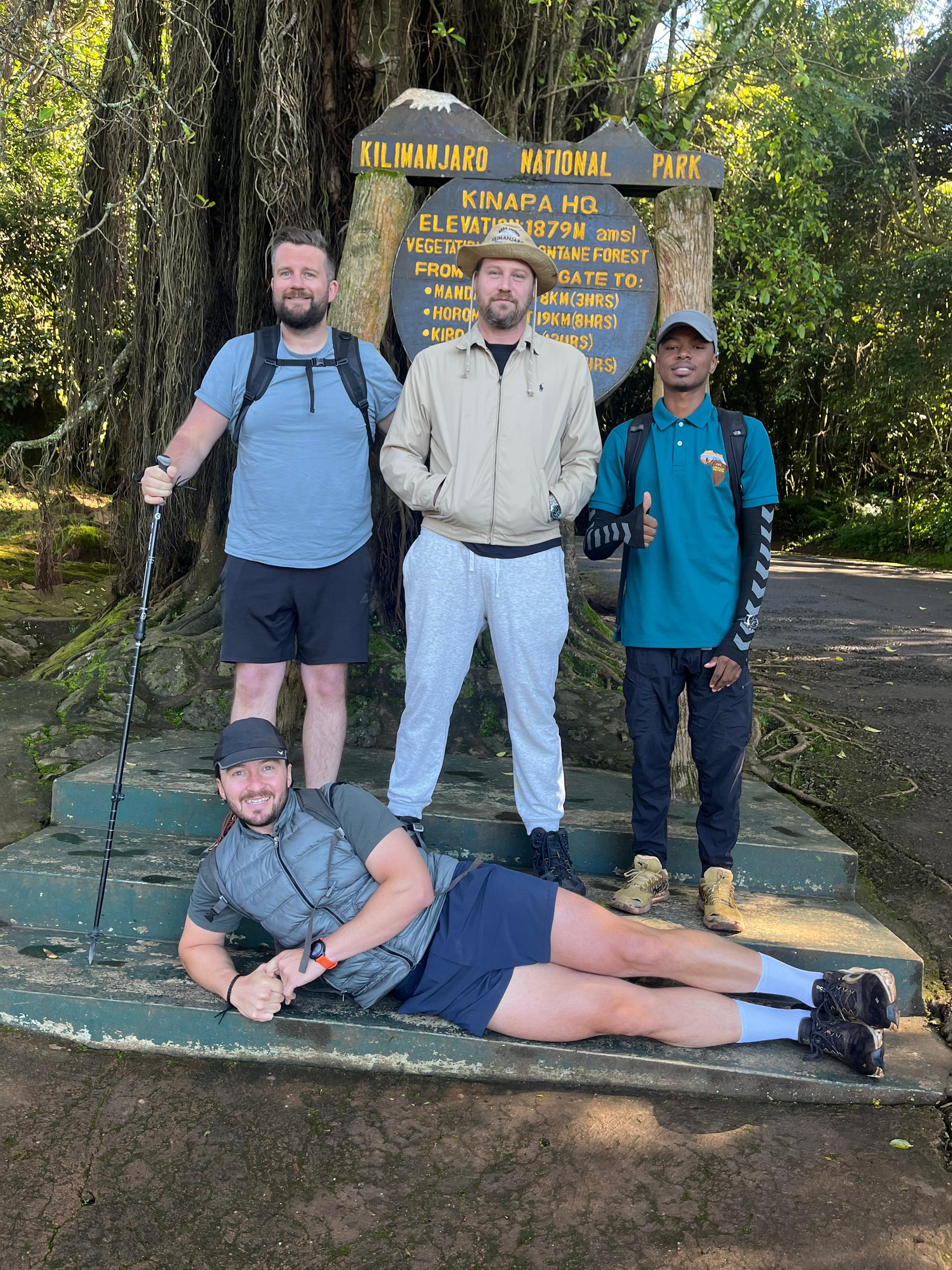
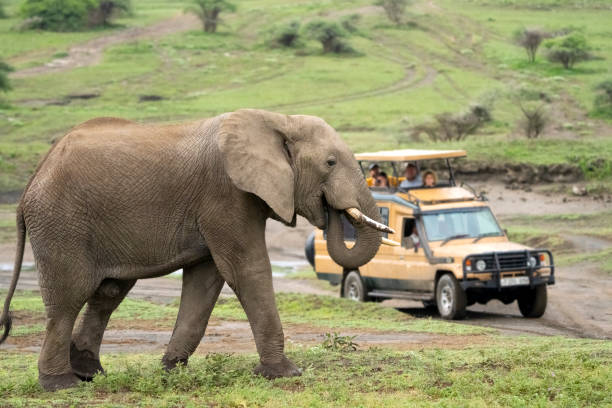
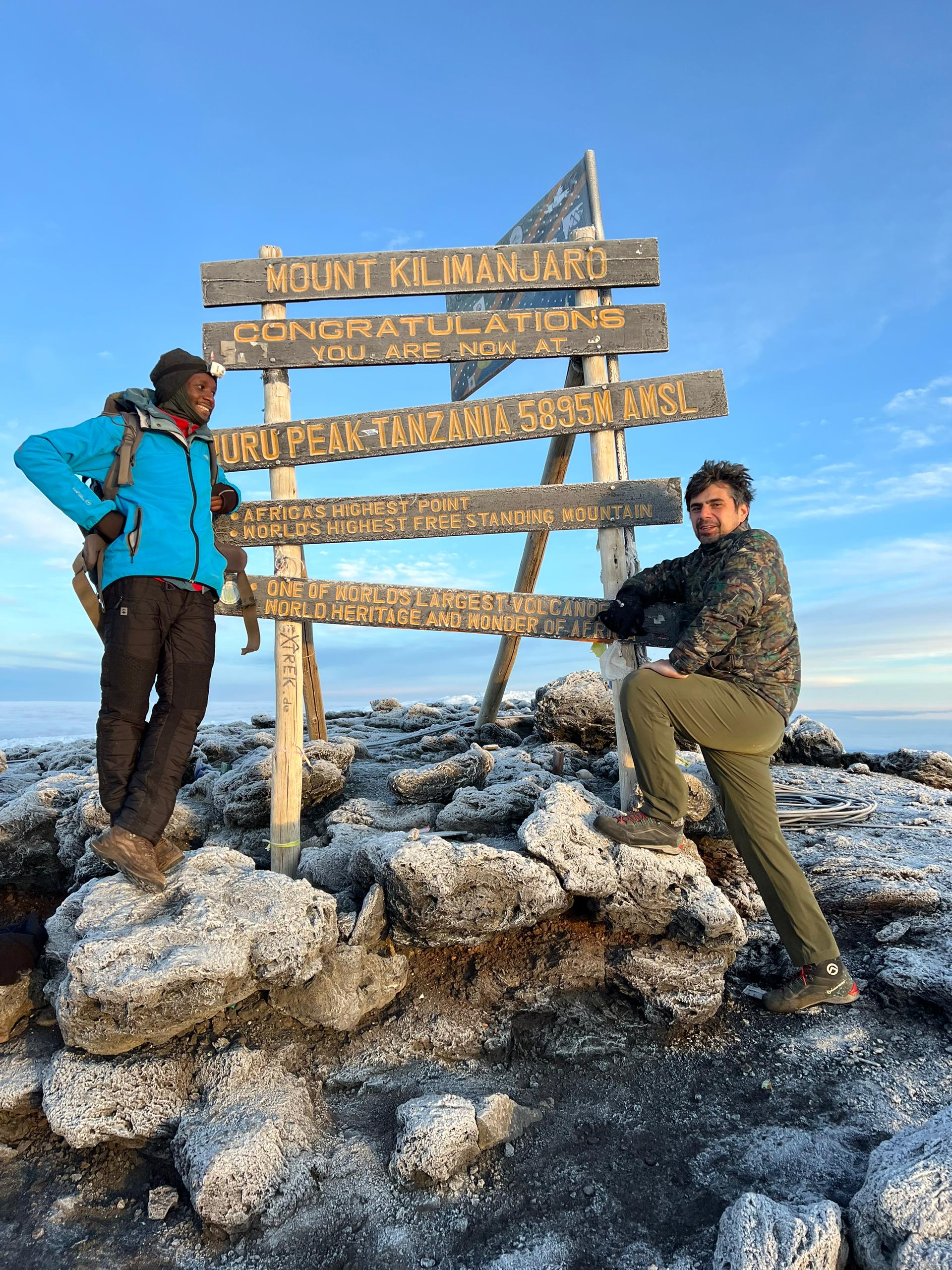
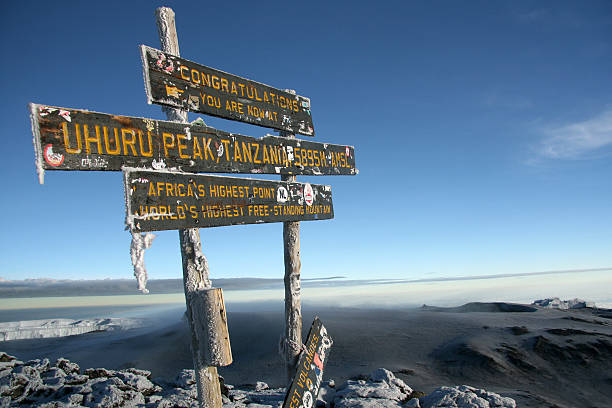
Adventure travel is an exhilarating way to explore the world, push your limits, and create unforgettable memories. However, planning an adventure trip on a budget can seem daunting, especially with rising costs in 2026–2027. The good news is that with careful planning, smart strategies, and expert insights, you can embark on thrilling adventures without breaking the bank. This comprehensive guide will walk you through everything you need to know about how to plan adventure travel trips on a budget, ensuring you get the most value for your money.
Adventure travel doesn’t have to be expensive. By planning wisely, you can enjoy incredible experiences like hiking, trekking, safaris, and cultural explorations while staying within your budget. Whether you’re dreaming of climbing Mount Kilimanjaro with Climb 4 Africa or exploring the Amazon rainforest, this guide will help you make it happen affordably.
Start by identifying what kind of adventure you want. Are you looking for a hiking expedition, a wildlife safari, or a cultural immersion? Knowing your goals will help you focus your planning and avoid unnecessary expenses.
Choose destinations that offer affordable adventure opportunities. For example, countries in Southeast Asia, South America, and parts of Africa are known for budget-friendly travel. Use resources like Climb 4 Africa to find cost-effective packages for 2026–2027.
Determine how much you can spend on your trip. Break down your budget into categories like transportation, accommodation, activities, food, and souvenirs. Use the table below to estimate costs for a 10-day adventure trip:
| Category | Estimated Cost (USD) |
|---|---|
| Flights | $500–$1,200 |
| Accommodation | $200–$500 |
| Activities | $300–$800 |
| Food | $100–$300 |
| Miscellaneous | $50–$200 |
Early bookings often come with discounts. Use flight comparison tools and consider budget airlines. For accommodation, look into hostels, guesthouses, or camping options.
Opt for free or low-cost activities like hiking, local tours, and cultural experiences. Many destinations offer affordable adventure packages for 2026–2027.
Traveling during off-peak seasons can significantly reduce costs. For example, trekking in Nepal is cheaper during the monsoon season, though it requires extra preparation.
Bring essential gear to avoid last-minute purchases. A well-packed bag can save you money and make your trip more comfortable.
Public transport is often cheaper than taxis or private transfers. Research local options like buses, trains, or tuk-tuks.
Street food and local markets are not only affordable but also offer authentic culinary experiences.
Keep track of your expenses to avoid overspending. Use budgeting apps or a simple notebook.
Here’s a detailed day-by-day itinerary for a 10-day budget adventure trip to Tanzania in 2026–2027, featuring a climb with Climb 4 Africa:
Arrive in Arusha, Tanzania. Check into a budget guesthouse and rest after your flight.
Take a short hike in Arusha National Park to acclimatize. Cost: $50.
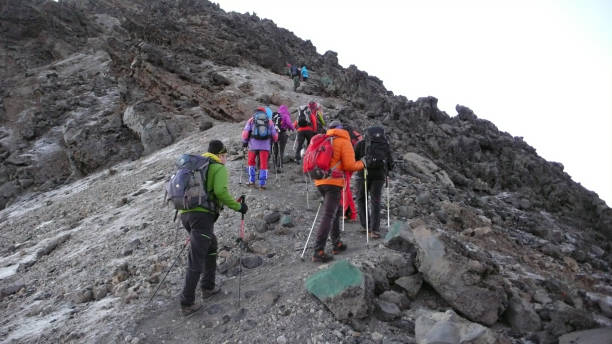
Begin your trek with Climb 4 Africa. The first day is an easy hike to Machame Camp.
Continue your ascent through various camps, enjoying stunning views and expert guidance.
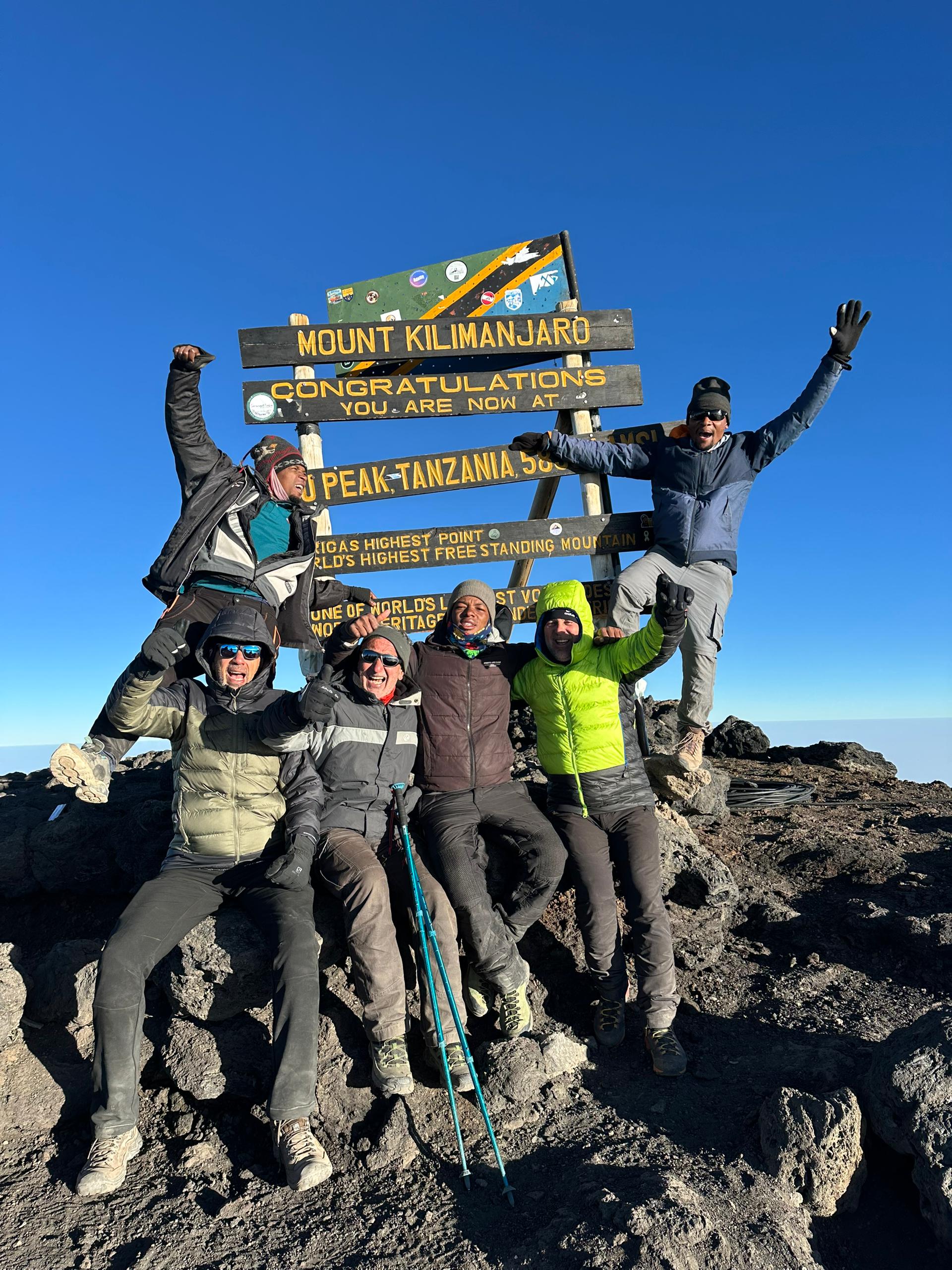
Reach Uhuru Peak at sunrise. Descend to Mweka Camp.
Complete your descent and celebrate your achievement with your team.
Transfer to Kilimanjaro Airport for your flight home.
Here’s a comparison of budget and luxury adventure travel costs for 2026–2027:
| Category | Budget Travel | Luxury Travel |
|---|---|---|
| Flights | $500–$1,200 | $1,500–$3,000 |
| Accommodation | $200–$500 | $1,000–$3,000 |
| Activities | $300–$800 | $1,500–$5,000 |
| Food | $100–$300 | $500–$1,000 |
Research online platforms, compare prices, and book early. Companies like Climb 4 Africa often offer budget-friendly packages.
Book flights during sales, use flight comparison tools, and consider budget airlines.
Look for destinations with low costs of living and affordable activities. Southeast Asia, South America, and parts of Africa are great options.
Yes. Choose reputable operators like Climb 4 Africa and ensure you have travel insurance.
Travel during off-peak seasons to save on flights, accommodation, and activities.
Stay in hostels, guesthouses, or campsites. Consider couchsurfing or work exchange programs.
Group tours often offer discounts on activities and accommodation, making them more affordable.
Eat like a local. Street food and local markets are affordable and delicious.
Pack essentials like hiking boots, a backpack, and weather-appropriate clothing. Avoid overpacking.
Use budgeting apps or keep a daily log of your expenses.
“I climbed Mount Kilimanjaro with Climb 4 Africa in 2026 and it was the adventure of a lifetime. Their budget-friendly package made it possible for me to fulfill my dream without overspending.”
“Planning my adventure trip on a budget was easier than I thought. Thanks to expert tips and affordable destinations, I explored Peru in 2027 without breaking the bank.”
“I highly recommend Climb 4 Africa for budget adventure travel. Their guides are knowledgeable, and their packages are affordable.”
Planning adventure travel trips on a budget in 2026–2027 is entirely achievable with the right strategies and resources. By defining your goals, researching destinations, setting a budget, and using expert tips, you can embark on unforgettable adventures without overspending. Whether you’re climbing mountains, exploring jungles, or immersing yourself in new cultures, budget adventure travel is within your reach. Start planning your dream trip today with trusted operators like Climb 4 Africa and make 2026–2027 your most adventurous years yet!
 Machame
Beginner-friendly Machame Route. Small group trekking for adventure seekers.
 Machame
Whiskey Route with better acclimatization and higher summit success rate.
 Group for Machame
Extended trekking for better acclimatization and higher chance to summit Kilimanjaro.
 Marangu Route Group
Classic “Coca-Cola Route”, moderate trekking experience. Popular for first-timers.
 Marangu Groups
Extended Marangu Route for better acclimatization and a safer summit attempt.
 Join Lemosho Group
Beautiful Lemosho Route through forests and moorlands. Excellent acclimatization for summit success.
 Join Lemosho Group
Longer trek ensures full acclimatization, more scenic experience, higher summit chances.
Find answers to all your questions about Tanzania safaris, Kilimanjaro trekking, beach holidays, cultural tours, and more for your 2026–2027 adventures!
The dry season from June to October is best for wildlife viewing. Wet months (November–May) offer lush scenery and fewer tourists, great for birdwatching.
The optimal months are January–March and June–October. These periods have less rain, clearer skies, and better trekking conditions.
Yes! Many 2026–2027 packages combine Serengeti or Ngorongoro safaris with relaxing beach stays in Zanzibar or Pemba.
Absolutely! Family-friendly safaris include short drives, child-safe accommodations, and educational experiences with wildlife and culture.
The Serengeti (Northern & Central) and Ngorongoro Conservation Area are prime locations to witness the Great Migration in 2026–2027.
Safaris range from 3–14 days. 7–10 days is ideal to visit multiple parks, see wildlife, and enjoy a well-paced experience.
Machame, Marangu, Lemosho, Rongai, and Northern Circuit are popular. Lemosho and Machame offer scenic routes and higher summit success rates.
Yes, guides and porters are required by Tanzanian law. They ensure safety, carry gear, and assist with altitude challenges.
Zanzibar and Pemba offer safe resorts, calm waters, and family activities. Always follow resort safety guidelines for water activities.
Yes, private and custom itineraries allow flexibility in duration, parks, and accommodations for 2026–2027 trips.
Costs vary by duration, accommodation, and inclusions. Budget safaris start around $1,000, while luxury safaris may exceed $5,000.
Most safaris include meals. Kilimanjaro climbs provide full-board meals, including snacks and hot drinks during trekking days.
Lions, elephants, leopards, cheetahs, giraffes, zebras, wildebeest, rhinos, hippos, crocodiles, and exotic birds are common in safaris.
Recommended vaccinations: Yellow Fever, Hepatitis A/B, Tetanus. Malaria prophylaxis is advised for rural safari and trekking regions.
Yes, guided walking safaris are offered in parks like Tarangire and Arusha, allowing close encounters with nature and local flora/fauna.
Tanzania is generally safe. Solo travelers should follow guides’ advice, avoid isolated areas at night, and take standard precautions.
Neutral clothing, trekking shoes, hats, sunglasses, sunscreen, camera, binoculars, swimwear, and light jackets for cooler nights.
Yes! Many 2026–2027 packages include visits to Maasai villages, Hadzabe tribes, and historical sites alongside safaris.
Safaris use 4x4 vehicles with open roofs. Some tours include short domestic flights for park transfers or long-distance itineraries.
Yes. in 2026–2027 Luxury packages provide premium lodges, tents, private guides, personalized meals, and exclusive game drives or trekking services.
Parks like Arusha and Amboseli provide breathtaking views of Kilimanjaro along with wildlife sightings on safari.
It is recommended to book 4–6 months in advance for peak season (June–October) to ensure availability of accommodation and guides.