
Africa - Tanzania Safari Operator
Arusha - Moshi Tanzania
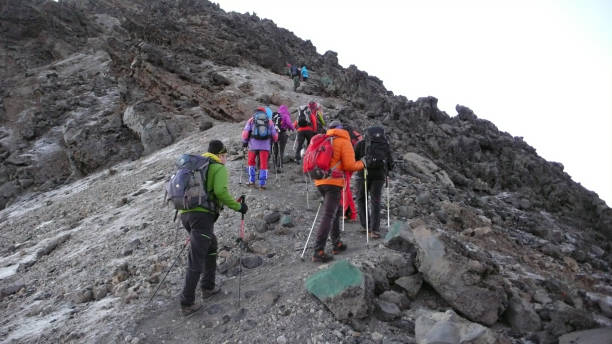
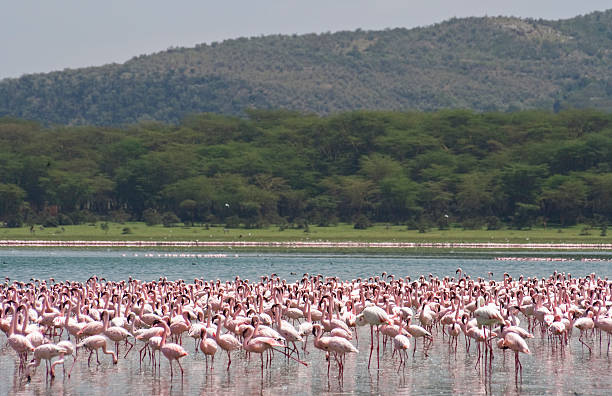
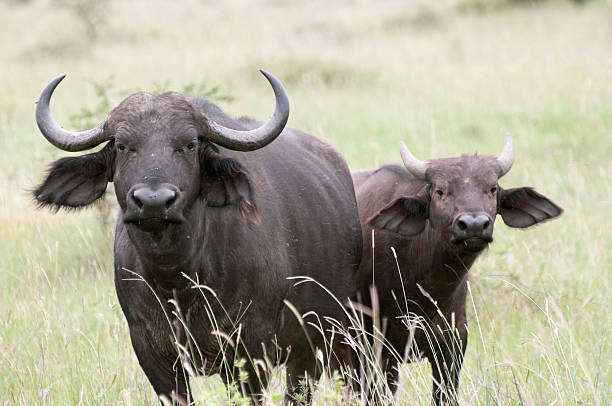
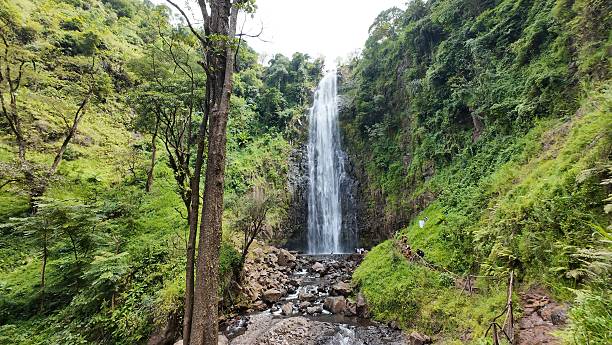
Traveling sustainably is no longer just a trend—it’s a necessity. As we approach 2026–2027, eco-friendly and sustainable travel tours are becoming increasingly popular among conscious travelers. Whether you’re planning a solo adventure, a family trip, or a group tour, this comprehensive guide will walk you through everything you need to know about how to plan eco-friendly and sustainable travel tours. From itineraries and costs to expert tips and FAQs, we’ve got you covered.
Eco-friendly and sustainable travel focuses on minimizing the environmental impact of tourism while supporting local communities and preserving natural resources. By 2026–2027, the travel industry is expected to see a significant shift toward sustainability, with more travelers seeking eco-conscious options. Here’s why planning sustainable travel tours is essential:
Planning eco-friendly and sustainable travel tours requires careful consideration of destinations, transportation, accommodations, and activities. Follow these steps to create a responsible and memorable travel experience:
Select destinations that prioritize sustainability. Look for places with eco-certifications, protected natural areas, and a commitment to conservation. Examples include Costa Rica, Iceland, and Bhutan.
Minimize your carbon footprint by choosing eco-friendly transportation options such as trains, buses, or electric vehicles. For international travel, consider airlines with carbon offset programs.
Stay at hotels, lodges, or homestays that follow sustainable practices, such as using renewable energy, reducing waste, and supporting local communities. Look for certifications like Green Key or LEED.
Engage in activities that respect the environment and local culture. Examples include hiking, wildlife safaris, and cultural tours led by local guides.
Bring reusable items such as water bottles, shopping bags, and toiletries. Avoid single-use plastics and choose eco-friendly products.
Calculate your travel emissions and invest in carbon offset programs to neutralize your impact.
Here’s a detailed day-by-day itinerary for a 7-day eco-friendly and sustainable travel tour in Costa Rica:
Arrive in San José and transfer to an eco-lodge. Enjoy a welcome dinner featuring locally sourced ingredients.
Visit the Monteverde Cloud Forest Reserve for guided nature walks and birdwatching. Learn about conservation efforts from local experts.
Tour a sustainable coffee farm to learn about organic farming practices and fair trade. Sample freshly brewed coffee.
Hike through Arenal Volcano National Park and relax in natural hot springs. Stay at an eco-friendly lodge.
Explore Manuel Antonio National Park’s pristine beaches and diverse wildlife. Participate in a beach cleanup initiative.
Visit a local community to learn about traditional crafts and cuisine. Support local artisans by purchasing handmade souvenirs.
Transfer to San José for departure. Reflect on your sustainable travel experience.
Planning eco-friendly and sustainable travel tours may involve higher upfront costs, but the long-term benefits outweigh the expenses. Here’s a cost comparison:
| Expense | Eco-Friendly Tour | Traditional Tour |
|---|---|---|
| Accommodation | $800 (eco-lodge) | $600 (standard hotel) |
| Transportation | $300 (train/electric vehicle) | $200 (rental car) |
| Activities | $400 (guided eco-tours) | $300 (standard tours) |
| Total | $1,500 | $1,100 |
Here are some expert tips from Climb 4 Africa, a trusted tour operator specializing in sustainable travel:
Costa Rica, Iceland, Bhutan, and New Zealand are top destinations for eco-friendly travel.
Choose green transportation, stay at eco-friendly accommodations, and offset your carbon emissions.
Yes, but the benefits to the environment and local communities make them worth the investment.
Look for Green Key, LEED, or Rainforest Alliance certifications.
Hire local guides, purchase handmade souvenirs, and dine at locally owned restaurants.
Hiking, wildlife safaris, beach cleanups, and cultural tours are great options.
Use online calculators provided by organizations like Carbonfund or MyClimate.
Yes, by choosing budget-friendly eco-accommodations and public transportation.
It reduces overcrowding, supports local economies, and often lowers costs.
Research thoroughly, verify certifications, and engage with local communities.
Here’s what travelers have to say about their experiences with Climb 4 Africa:
"Climb 4 Africa helped me plan the most incredible eco-friendly tour to Costa Rica in 2026. Every detail was thoughtfully curated to minimize our environmental impact while maximizing our experience. Highly recommend!"
"Our sustainable travel tour with Climb 4 Africa was unforgettable. The local guides were knowledgeable, and the accommodations were eco-friendly. It’s the best way to travel responsibly."
"I loved how Climb 4 Africa prioritized sustainability throughout our trip. From the transportation to the activities, everything was aligned with eco-friendly principles. A truly enriching experience."
As we look ahead to 2026–2027, eco-friendly and sustainable travel tours are set to become the norm. By following this guide, you can plan a responsible and enriching travel experience that benefits both the environment and local communities. Whether you’re exploring the lush rainforests of Costa Rica or the breathtaking landscapes of Iceland, sustainable travel offers endless opportunities for adventure and discovery. Start planning your eco-friendly and sustainable travel tours today with Climb 4 Africa, your trusted partner in responsible travel.
 Machame
Beginner-friendly Machame Route. Small group trekking for adventure seekers.
 Machame
Whiskey Route with better acclimatization and higher summit success rate.
 Group for Machame
Extended trekking for better acclimatization and higher chance to summit Kilimanjaro.
 Marangu Route Group
Classic “Coca-Cola Route”, moderate trekking experience. Popular for first-timers.
 Marangu Groups
Extended Marangu Route for better acclimatization and a safer summit attempt.
 Join Lemosho Group
Beautiful Lemosho Route through forests and moorlands. Excellent acclimatization for summit success.
 Join Lemosho Group
Longer trek ensures full acclimatization, more scenic experience, higher summit chances.
Find answers to all your questions about Tanzania safaris, Kilimanjaro trekking, beach holidays, cultural tours, and more for your 2026–2027 adventures!
The dry season from June to October is best for wildlife viewing. Wet months (November–May) offer lush scenery and fewer tourists, great for birdwatching.
The optimal months are January–March and June–October. These periods have less rain, clearer skies, and better trekking conditions.
Yes! Many 2026–2027 packages combine Serengeti or Ngorongoro safaris with relaxing beach stays in Zanzibar or Pemba.
Absolutely! Family-friendly safaris include short drives, child-safe accommodations, and educational experiences with wildlife and culture.
The Serengeti (Northern & Central) and Ngorongoro Conservation Area are prime locations to witness the Great Migration in 2026–2027.
Safaris range from 3–14 days. 7–10 days is ideal to visit multiple parks, see wildlife, and enjoy a well-paced experience.
Machame, Marangu, Lemosho, Rongai, and Northern Circuit are popular. Lemosho and Machame offer scenic routes and higher summit success rates.
Yes, guides and porters are required by Tanzanian law. They ensure safety, carry gear, and assist with altitude challenges.
Zanzibar and Pemba offer safe resorts, calm waters, and family activities. Always follow resort safety guidelines for water activities.
Yes, private and custom itineraries allow flexibility in duration, parks, and accommodations for 2026–2027 trips.
Costs vary by duration, accommodation, and inclusions. Budget safaris start around $1,000, while luxury safaris may exceed $5,000.
Most safaris include meals. Kilimanjaro climbs provide full-board meals, including snacks and hot drinks during trekking days.
Lions, elephants, leopards, cheetahs, giraffes, zebras, wildebeest, rhinos, hippos, crocodiles, and exotic birds are common in safaris.
Recommended vaccinations: Yellow Fever, Hepatitis A/B, Tetanus. Malaria prophylaxis is advised for rural safari and trekking regions.
Yes, guided walking safaris are offered in parks like Tarangire and Arusha, allowing close encounters with nature and local flora/fauna.
Tanzania is generally safe. Solo travelers should follow guides’ advice, avoid isolated areas at night, and take standard precautions.
Neutral clothing, trekking shoes, hats, sunglasses, sunscreen, camera, binoculars, swimwear, and light jackets for cooler nights.
Yes! Many 2026–2027 packages include visits to Maasai villages, Hadzabe tribes, and historical sites alongside safaris.
Safaris use 4x4 vehicles with open roofs. Some tours include short domestic flights for park transfers or long-distance itineraries.
Yes. in 2026–2027 Luxury packages provide premium lodges, tents, private guides, personalized meals, and exclusive game drives or trekking services.
Parks like Arusha and Amboseli provide breathtaking views of Kilimanjaro along with wildlife sightings on safari.
It is recommended to book 4–6 months in advance for peak season (June–October) to ensure availability of accommodation and guides.