
Africa - Tanzania Safari Operator
Arusha - Moshi Tanzania
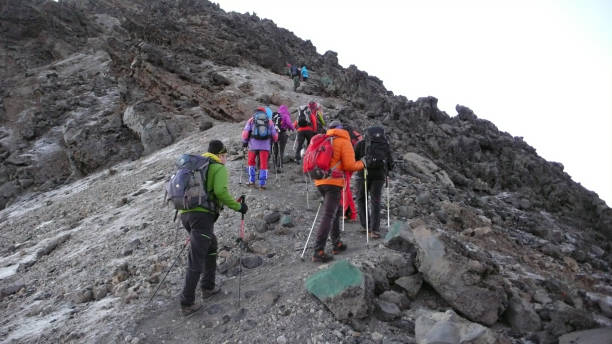
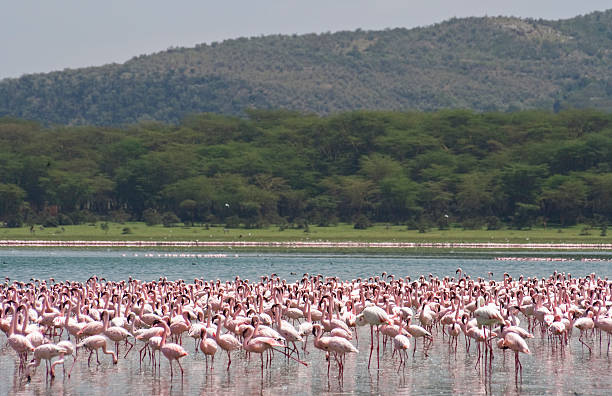
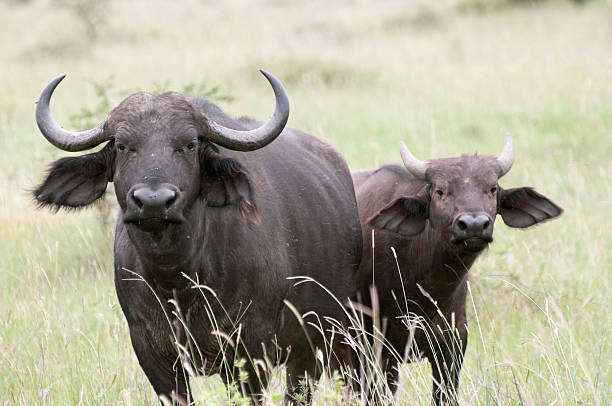
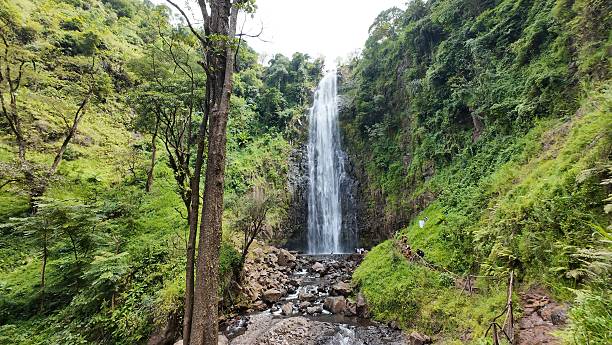
Planning a Kilimanjaro climb in 2026-2027? The majestic Mount Kilimanjaro, Africa's highest peak, beckons adventurers from around the globe. But before you embark on this incredible journey, understanding the Kilimanjaro climb price list 2026-2027 is crucial. This comprehensive guide breaks down the costs involved, helping you budget effectively for your unforgettable Kilimanjaro ascent. We'll explore the factors influencing the price of a Kilimanjaro climb in 2026-2027, providing you with a clear picture to make informed decisions.
The cost of your Kilimanjaro climb in 2026-2027 is influenced by several key factors. Understanding these will help you navigate the various price points and choose the option that best fits your budget and preferences. Let's delve into the details:
Kilimanjaro offers various climbing routes, each with its own unique characteristics and difficulty level. The route you choose directly impacts the price of your Kilimanjaro climb in 2026-2027. Popular routes like the Marangu Route (Coca-Cola Route), often considered easier, may be slightly less expensive than more challenging routes such as the Lemosho or Northern Circuit routes. The longer and more remote routes, typically offering better acclimatization and fewer crowds, usually command higher prices. The Kilimanjaro climb price list 2026-2027 will reflect these differences.
Longer climbs typically involve more days on the mountain, requiring more logistical support, guides, porters, and accommodation. This translates directly to a higher cost. A 7-day climb will naturally cost less than a 9-day or 10-day climb on the Kilimanjaro climb price list 2026-2027. While longer climbs might improve your chances of summiting successfully, they also increase the overall expense.
Climbing as part of a larger group can sometimes lead to lower individual costs due to economies of scale. However, a private climb with a dedicated guide and crew provides more personalized attention and flexibility but will be reflected in a higher price on the Kilimanjaro climb price list 2026-2027. Consider your preference for a more intimate experience versus a potentially more budget-friendly group climb.
The level of comfort you choose significantly impacts the Kilimanjaro climb price list 2026-2027. Climbing with your own high-quality camping gear can help keep costs down slightly; however, many operators offer equipment rentals, which might end up being more convenient. Similarly, some operators provide more luxurious camping options (e.g., larger tents, better sleeping bags), but these add to the total cost of your climb. The Kilimanjaro climb price list 2026-2027 will vary based on these comfort preferences.
The reputation and experience of your tour operator and guides are paramount. Reputable operators prioritize safety, environmental sustainability, and provide excellent service, often reflected in a higher price on the Kilimanjaro climb price list 2026-2027. It’s crucial to research operators carefully and read reviews. While cheaper options might exist, investing in experienced guides and a well-established operator significantly enhances your safety and overall climbing experience.
Climbing Kilimanjaro requires permits and various fees, which are non-negotiable and contribute to the overall Kilimanjaro climb price list 2026-2027. These fees cover park access, rescue services, and environmental conservation efforts. These costs are typically factored into the overall package price quoted by your operator.
The cost of international flights to Tanzania and comprehensive travel insurance are essential pre-climb expenses that should be included in your budget. These costs are not directly part of the Kilimanjaro climb price list 2026-2027 provided by climbing operators, but they significantly contribute to the overall trip cost. Remember to factor in travel days and any potential accommodation costs in Tanzania.
Providing exact Kilimanjaro climb price list 2026-2027 figures is difficult due to the fluctuating factors mentioned above. However, you can anticipate the following general price ranges (in USD) as a starting point. Remember these are estimates, and actual prices may vary based on the specific operator, season, and chosen options:
These price ranges reflect the entire package, typically including permits, guides, porters, accommodation, and some meals. Flights, travel insurance, and personal spending money are not included in these estimates and should be budgeted separately. For a precise Kilimanjaro climb price list 2026-2027, contact various tour operators directly and compare their packages.
While a Kilimanjaro climb is an investment, several strategies can help you manage costs:
A typical Kilimanjaro climb price list 2026-2027 package includes permits, park fees, guides, porters, camping equipment (unless you choose to bring your own), meals, and basic medical assistance. However, flights, travel insurance, tips, and personal spending money are usually excluded.
The best time to climb Kilimanjaro is during the drier months, typically June to October (dry season) and December to February (short dry season). However, remember that prices might be higher during these peak seasons. The Kilimanjaro climb price list 2026-2027 will reflect seasonal variations.
Tipping guides and porters is customary and appreciated. A common guideline is to budget around $20-$30 per day for the entire crew. This should be factored into your Kilimanjaro climb price list 2026-2027 considerations.
A guided climb provides support from experienced guides and porters, crucial for safety and a successful summit. Independent climbs, while potentially cheaper, require extensive mountaineering experience and self-sufficiency and are generally not recommended for inexperienced climbers. The Kilimanjaro climb price list 2026-2027 significantly reflects this difference.
Layering is essential. Pack warm base layers, insulating mid-layers, waterproof and windproof outer layers, warm socks, gloves, and a hat. The best climbing gear will allow for easy adjustments to fluctuating temperatures. Check reviews and consult your operator for specific recommendations.
The success rate varies based on route selection, acclimatization strategies, and physical fitness. Proper acclimatization significantly increases your chances of summiting successfully. Choosing an experienced operator and following their advice is also vital.
Reasonable fitness is essential. Engage in regular cardiovascular exercise and strength training in the months leading up to your climb. Consult your physician before embarking on the climb. You should also consider altitude training or acclimatization methods.
Comprehensive travel insurance is crucial. It should cover medical emergencies, evacuation, trip cancellations, and lost luggage. This is not typically part of the Kilimanjaro climb price list 2026-2027 from operators, so budget for it separately.
Remember to always conduct thorough research and choose a reputable tour operator for your Kilimanjaro climb. Utilize this Kilimanjaro climb price list 2026-2027 guide as a starting point for your planning and enjoy the once-in-a-lifetime adventure of conquering Africa's highest peak!
 Machame
Beginner-friendly Machame Route. Small group trekking for adventure seekers.
 Machame
Whiskey Route with better acclimatization and higher summit success rate.
 Group for Machame
Extended trekking for better acclimatization and higher chance to summit Kilimanjaro.
 Marangu Route Group
Classic “Coca-Cola Route”, moderate trekking experience. Popular for first-timers.
 Marangu Groups
Extended Marangu Route for better acclimatization and a safer summit attempt.
 Join Lemosho Group
Beautiful Lemosho Route through forests and moorlands. Excellent acclimatization for summit success.
 Join Lemosho Group
Longer trek ensures full acclimatization, more scenic experience, higher summit chances.
Find answers to all your questions about Tanzania safaris, Kilimanjaro trekking, beach holidays, cultural tours, and more for your 2026–2027 adventures!
The dry season from June to October is best for wildlife viewing. Wet months (November–May) offer lush scenery and fewer tourists, great for birdwatching.
The optimal months are January–March and June–October. These periods have less rain, clearer skies, and better trekking conditions.
Yes! Many 2026–2027 packages combine Serengeti or Ngorongoro safaris with relaxing beach stays in Zanzibar or Pemba.
Absolutely! Family-friendly safaris include short drives, child-safe accommodations, and educational experiences with wildlife and culture.
The Serengeti (Northern & Central) and Ngorongoro Conservation Area are prime locations to witness the Great Migration in 2026–2027.
Safaris range from 3–14 days. 7–10 days is ideal to visit multiple parks, see wildlife, and enjoy a well-paced experience.
Machame, Marangu, Lemosho, Rongai, and Northern Circuit are popular. Lemosho and Machame offer scenic routes and higher summit success rates.
Yes, guides and porters are required by Tanzanian law. They ensure safety, carry gear, and assist with altitude challenges.
Zanzibar and Pemba offer safe resorts, calm waters, and family activities. Always follow resort safety guidelines for water activities.
Yes, private and custom itineraries allow flexibility in duration, parks, and accommodations for 2026–2027 trips.
Costs vary by duration, accommodation, and inclusions. Budget safaris start around $1,000, while luxury safaris may exceed $5,000.
Most safaris include meals. Kilimanjaro climbs provide full-board meals, including snacks and hot drinks during trekking days.
Lions, elephants, leopards, cheetahs, giraffes, zebras, wildebeest, rhinos, hippos, crocodiles, and exotic birds are common in safaris.
Recommended vaccinations: Yellow Fever, Hepatitis A/B, Tetanus. Malaria prophylaxis is advised for rural safari and trekking regions.
Yes, guided walking safaris are offered in parks like Tarangire and Arusha, allowing close encounters with nature and local flora/fauna.
Tanzania is generally safe. Solo travelers should follow guides’ advice, avoid isolated areas at night, and take standard precautions.
Neutral clothing, trekking shoes, hats, sunglasses, sunscreen, camera, binoculars, swimwear, and light jackets for cooler nights.
Yes! Many 2026–2027 packages include visits to Maasai villages, Hadzabe tribes, and historical sites alongside safaris.
Safaris use 4x4 vehicles with open roofs. Some tours include short domestic flights for park transfers or long-distance itineraries.
Yes. in 2026–2027 Luxury packages provide premium lodges, tents, private guides, personalized meals, and exclusive game drives or trekking services.
Parks like Arusha and Amboseli provide breathtaking views of Kilimanjaro along with wildlife sightings on safari.
It is recommended to book 4–6 months in advance for peak season (June–October) to ensure availability of accommodation and guides.