
Africa - Tanzania Safari Operator
Arusha - Moshi Tanzania
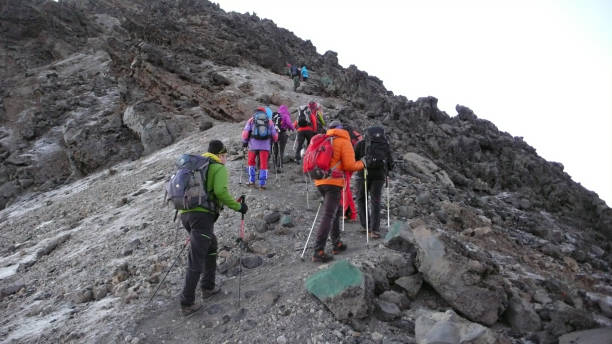
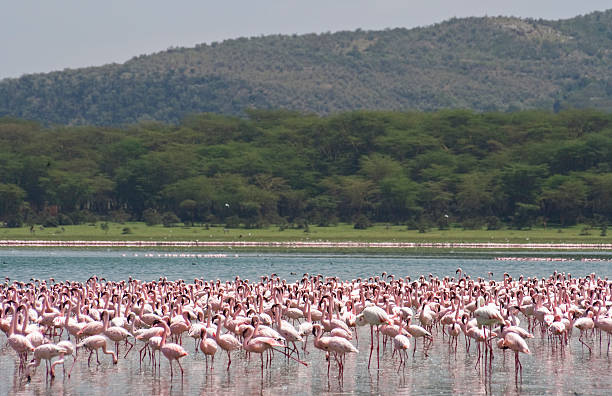
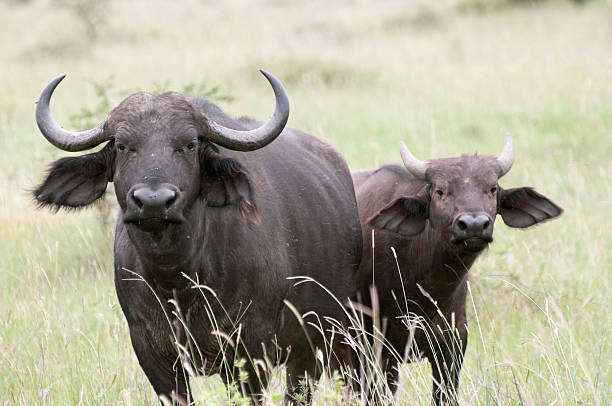
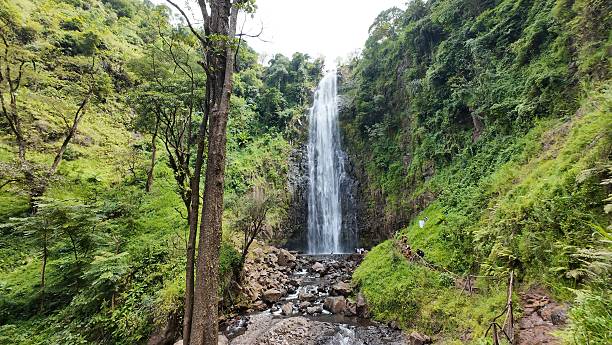
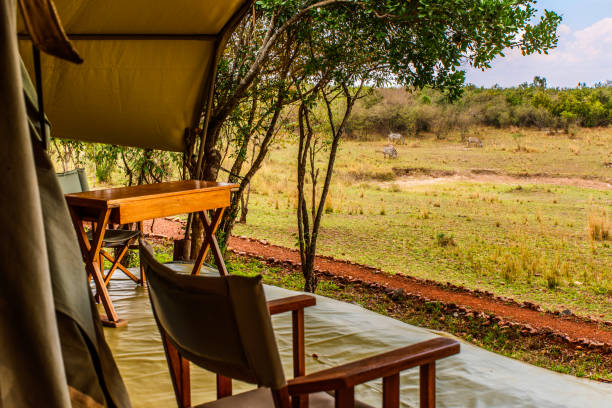
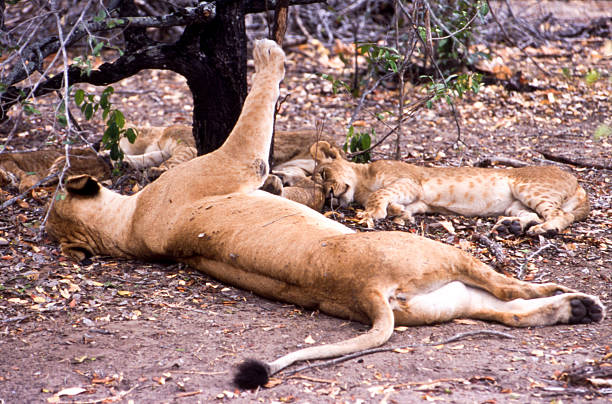
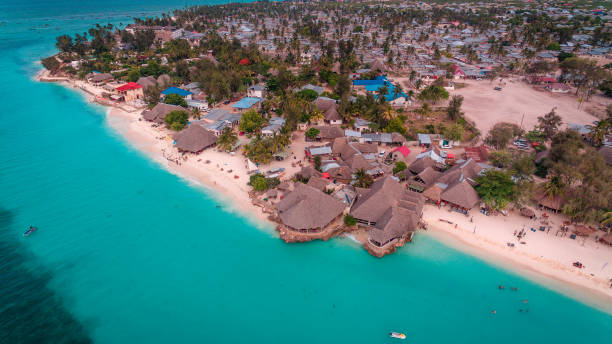
Rwanda, the "Land of a Thousand Hills," offers an unparalleled wildlife experience, and a Volcanoes Park Rwanda photography safari in 2026-2027 promises an unforgettable adventure. This breathtaking national park, nestled against the slopes of the Virunga volcanoes, is home to the endangered mountain gorillas, a sight that will leave any photographer spellbound. A Volcanoes Park Rwanda photography safari is more than just a trip; it's a journey into the heart of Africa, a chance to witness incredible biodiversity and capture stunning images of these magnificent creatures and their environment. Planning your Volcanoes Park Rwanda photography safari for 2026-2027 is the perfect opportunity to experience this wonder before the year's end.
A Volcanoes Park Rwanda photography safari in 2026-2027 offers a unique blend of adventure and wildlife photography opportunities. The park's stunning landscapes, including lush rainforests, volcanic peaks, and picturesque valleys, provide an ideal backdrop for capturing incredible images. The opportunity to photograph mountain gorillas in their natural habitat is a once-in-a-lifetime experience. These majestic creatures are incredibly photogenic, their powerful yet gentle presence sure to create stunning shots. Beyond the gorillas, you'll have the chance to photograph golden monkeys, various bird species, and other wildlife, enriching your Volcanoes Park Rwanda photography safari experience. Booking your Volcanoes Park Rwanda photography safari for 2026-2027 ensures you'll be among the first to experience the park’s offerings in the new year.
Your Volcanoes Park Rwanda photography safari will be meticulously planned, providing you with ample opportunities for photography. Experienced guides will lead you on treks through the rainforest, helping you locate gorilla families and other wildlife. They will also assist with photography, providing tips and advice on capturing the best shots. Your itinerary will include ample time for both gorilla trekking and exploring the wider park, allowing you to capture diverse landscapes and wildlife. Consider booking a longer safari for a more immersive experience. Planning your Volcanoes Park Rwanda photography safari in advance, particularly for the peak season of 2026-2027, is crucial to secure your permits.
Throughout your Volcanoes Park Rwanda photography safari, you'll have the chance to witness the daily life of these gentle giants. You'll observe their interactions, their playfulness, and their quiet moments of rest. These are unparalleled opportunities for capturing authentic and emotional images. Your Volcanoes Park Rwanda photography safari will be a journey that goes beyond just capturing wildlife; it allows you to connect with nature at its most raw and beautiful form.
Preparing for your Volcanoes Park Rwanda photography safari requires careful consideration of your equipment. A high-quality DSLR or mirrorless camera with a variety of lenses is essential. A telephoto lens (at least 200mm) is crucial for capturing close-up shots of gorillas and other wildlife from a respectful distance. A wide-angle lens will be useful for capturing stunning landscapes. Don't forget extra batteries, memory cards, and a sturdy camera bag. Consider investing in rain protection for your equipment, as the rainforest can be unpredictable. Planning your photography equipment is as important as planning your Volcanoes Park Rwanda photography safari itinerary. The year 2026-2027 promises exceptional photographic opportunities.
While gorilla trekking is the main draw of a Volcanoes Park Rwanda photography safari, the park offers much more. Golden monkeys, known for their vibrant fur, are another highlight. These playful primates are equally captivating subjects for photography. The park is also home to diverse birdlife, providing ample opportunities for bird photography enthusiasts. The stunning volcanic landscapes, including the imposing volcanoes themselves, are breathtaking backdrops for landscape photography. A Volcanoes Park Rwanda photography safari in 2026-2027 allows you to diversify your portfolio by photographing a variety of wildlife and landscapes.
Responsible wildlife photography is crucial. Maintain a respectful distance from the gorillas and other wildlife, never using flash photography. Follow your guide's instructions carefully, ensuring you don’t disturb the animals or their habitat. Remember, your Volcanoes Park Rwanda photography safari experience is meant to be a harmonious encounter with nature. Remember to leave only your footprints and take only memories, contributing to the long-term preservation of this precious ecosystem, planning your trip well into 2026-2027 helps ensure this.
Planning your Volcanoes Park Rwanda photography safari in advance is crucial, especially if you are traveling during the peak season of 2026-2027. Gorilla trekking permits must be booked well in advance, often months or even a year prior. Consider working with a reputable tour operator who can handle the logistics, ensuring a smooth and stress-free experience. They can assist with permit acquisition, accommodation, transportation, and guide services. Choosing a tour operator specializing in photography safaris is advisable; they offer tailored itineraries to maximize your photographic opportunities during your Volcanoes Park Rwanda photography safari.
A: The cost of a Volcanoes Park Rwanda photography safari varies greatly depending on the duration of your trip, the type of accommodation, and the level of luxury you choose. Gorilla permits are a significant expense, so factor this into your budget. A well-planned trip during 2026-2027 might cost anything from several thousand to tens of thousands of dollars. Consult with tour operators for detailed pricing.
A: The dry season (June to September and December to February) offers the best weather conditions for gorilla trekking and photography in a Volcanoes Park Rwanda photography safari. However, these months are also peak season, so book your permits and accommodations well in advance. 2026-2027's dry seasons will be a prime time for photographers.
A: Gorilla treks can last anywhere from 1 to 8 hours, depending on the location of the gorilla family you are visiting. Be prepared for a physically demanding hike through the rainforest. A well-planned Volcanoes Park Rwanda photography safari will include sufficient time for rest and recovery after the trek.
A: It is advisable to consult your doctor about necessary vaccinations and malaria prophylaxis before your Volcanoes Park Rwanda photography safari. Travel insurance is also highly recommended. Ensuring your health is paramount before undertaking such a journey, particularly in 2026-2027.
A: Pack lightweight, long-sleeved shirts and trousers to protect yourself from insects and the sun. Sturdy hiking boots are essential, as well as rain gear. Layers are recommended, as temperatures can fluctuate. Planning your clothing is a significant part of your Volcanoes Park Rwanda photography safari preparation.
A: Drone use is generally restricted in Volcanoes National Park. Check with your tour operator and park authorities before bringing a drone. Respecting the park's regulations is critical to ensure the preservation of the environment and wildlife for your Volcanoes Park Rwanda photography safari and future visitors.
A: A range of accommodation options are available, from budget-friendly lodges to luxury hotels. Many hotels offer stunning views of the volcanoes. Choosing the right accommodation enhances your Volcanoes Park Rwanda photography safari experience.
A: Booking through a reputable tour operator specializing in photography safaris is highly recommended. They handle all the logistics, including gorilla permits, accommodation, and transportation. Book well in advance, particularly for travel in 2026-2027, to secure your permits and preferred travel dates for your Volcanoes Park Rwanda photography safari.
 Machame
Beginner-friendly Machame Route. Small group trekking for adventure seekers.
 Machame
Whiskey Route with better acclimatization and higher summit success rate.
 Group for Machame
Extended trekking for better acclimatization and higher chance to summit Kilimanjaro.
 Marangu Route Group
Classic “Coca-Cola Route”, moderate trekking experience. Popular for first-timers.
 Marangu Groups
Extended Marangu Route for better acclimatization and a safer summit attempt.
 Join Lemosho Group
Beautiful Lemosho Route through forests and moorlands. Excellent acclimatization for summit success.
 Join Lemosho Group
Longer trek ensures full acclimatization, more scenic experience, higher summit chances.
Find answers to all your questions about Tanzania safaris, Kilimanjaro trekking, beach holidays, cultural tours, and more for your 2026–2027 adventures!
The dry season from June to October is best for wildlife viewing. Wet months (November–May) offer lush scenery and fewer tourists, great for birdwatching.
The optimal months are January–March and June–October. These periods have less rain, clearer skies, and better trekking conditions.
Yes! Many 2026–2027 packages combine Serengeti or Ngorongoro safaris with relaxing beach stays in Zanzibar or Pemba.
Absolutely! Family-friendly safaris include short drives, child-safe accommodations, and educational experiences with wildlife and culture.
The Serengeti (Northern & Central) and Ngorongoro Conservation Area are prime locations to witness the Great Migration in 2026–2027.
Safaris range from 3–14 days. 7–10 days is ideal to visit multiple parks, see wildlife, and enjoy a well-paced experience.
Machame, Marangu, Lemosho, Rongai, and Northern Circuit are popular. Lemosho and Machame offer scenic routes and higher summit success rates.
Yes, guides and porters are required by Tanzanian law. They ensure safety, carry gear, and assist with altitude challenges.
Zanzibar and Pemba offer safe resorts, calm waters, and family activities. Always follow resort safety guidelines for water activities.
Yes, private and custom itineraries allow flexibility in duration, parks, and accommodations for 2026–2027 trips.
Costs vary by duration, accommodation, and inclusions. Budget safaris start around $1,000, while luxury safaris may exceed $5,000.
Most safaris include meals. Kilimanjaro climbs provide full-board meals, including snacks and hot drinks during trekking days.
Lions, elephants, leopards, cheetahs, giraffes, zebras, wildebeest, rhinos, hippos, crocodiles, and exotic birds are common in safaris.
Recommended vaccinations: Yellow Fever, Hepatitis A/B, Tetanus. Malaria prophylaxis is advised for rural safari and trekking regions.
Yes, guided walking safaris are offered in parks like Tarangire and Arusha, allowing close encounters with nature and local flora/fauna.
Tanzania is generally safe. Solo travelers should follow guides’ advice, avoid isolated areas at night, and take standard precautions.
Neutral clothing, trekking shoes, hats, sunglasses, sunscreen, camera, binoculars, swimwear, and light jackets for cooler nights.
Yes! Many 2026–2027 packages include visits to Maasai villages, Hadzabe tribes, and historical sites alongside safaris.
Safaris use 4x4 vehicles with open roofs. Some tours include short domestic flights for park transfers or long-distance itineraries.
Yes. in 2026–2027 Luxury packages provide premium lodges, tents, private guides, personalized meals, and exclusive game drives or trekking services.
Parks like Arusha and Amboseli provide breathtaking views of Kilimanjaro along with wildlife sightings on safari.
It is recommended to book 4–6 months in advance for peak season (June–October) to ensure availability of accommodation and guides.