
Africa - Tanzania Safari Operator
Arusha - Moshi Tanzania
Dar es Salaam, the bustling commercial capital of Tanzania, is a city of immense diversity. Understanding its religious landscape is crucial for anyone visiting, living in, or doing business within the city during 2026-2027. While precise figures fluctuate yearly, and official censuses may lag, we can analyze available data and trends to paint a picture of the dominant faith in Dar es Salaam during 2026-2027. Predicting the exact percentages is impossible, but we can confidently address the question: What is the main religion in Dar es Salaam 2026-2027?
The answer, based on historical trends and current projections, points towards Islam as the main religion in Dar es Salaam during 2026-2027. However, it's vital to understand that this dominance doesn't negate the significant presence and influence of other religious groups. The city is a vibrant tapestry of faiths, coexisting (mostly peacefully) side-by-side. The main religion in Dar es Salaam 2026-2027 will undoubtedly continue to be shaped by factors such as population growth, migration patterns, and ongoing societal changes.
Islam has historically held a strong presence in Dar es Salaam, and this is expected to continue throughout 2026-2027. The city's location along the Swahili Coast, a historical center of Islamic trade and culture, has contributed significantly to its Islamic heritage. Many mosques dot the landscape, serving as vital community hubs. These institutions not only provide spaces for worship but also offer educational and social services, further strengthening Islam's role in the daily lives of Dar es Salaam's residents during 2026-2027. The main religion in Dar es Salaam 2026-2027 is projected to remain Islam due to consistently high birth rates within the Muslim community and ongoing migration from other parts of Tanzania and neighboring countries with predominantly Muslim populations.
The various branches of Islam, including Sunni and Shia, coexist within the city, with Sunni Islam representing the largest segment. The diverse interpretations and practices within the Muslim community enrich the city's religious landscape and contribute to the overall vibrancy of Dar es Salaam in 2026-2027. The main religion in Dar es Salaam 2026-2027 is a dynamic force shaping its social, cultural, and economic fabric.
Christianity, particularly Protestantism and Catholicism, constitutes a substantial portion of Dar es Salaam's population in 2026-2027. Numerous churches and religious organizations actively contribute to the social and humanitarian landscape. While not the main religion in Dar es Salaam 2026-2027, Christianity plays a vital role, offering essential services like education, healthcare, and social welfare programs. The presence of both established and emerging Christian denominations adds to the religious complexity of the city. The interaction between Christianity and other faiths is crucial to understanding the city's evolving social dynamics during 2026-2027. Understanding the significant presence of Christianity alongside Islam helps paint a more complete picture of what the main religion in Dar es Salaam 2026-2027 actually means in terms of religious diversity.
Beyond Islam and Christianity, Dar es Salaam is home to smaller communities practicing Hinduism, Buddhism, and indigenous African religions. These groups contribute to the city's multicultural and multi-religious character, enriching its social fabric and promoting tolerance. Although not the main religion in Dar es Salaam 2026-2027, their existence underlines the city's cosmopolitan nature and its commitment to religious pluralism.
Several factors contribute to the evolving religious landscape of Dar es Salaam in 2026-2027. Population growth rates within different religious groups, migration patterns from rural areas and neighboring countries, and the influence of globalization all play a role. Understanding these factors helps analyze the dynamics of the main religion in Dar es Salaam 2026-2027 and its relationship with other faiths. These factors contribute to both stability and change, making it a fascinating case study in urban religious demography.
Migration, in particular, can significantly impact religious demographics. The influx of people from different regions with varying religious affiliations can subtly shift the balance of power and influence. This requires constant monitoring and analysis to truly understand what the main religion in Dar es Salaam 2026-2027 will represent in practical terms.
Maintaining religious harmony is paramount to Dar es Salaam's continued progress and stability. The city's diverse religious landscape necessitates respectful interfaith dialogue and cooperation. The government and various religious organizations play a crucial role in fostering tolerance and understanding among different faith communities, ensuring peaceful coexistence, and promoting a harmonious environment for all residents in 2026-2027. Religious harmony remains a key factor influencing the social and political stability of the city. While Islam remains the main religion in Dar es Salaam 2026-2027, the city thrives on its religious diversity.
A1: Based on current trends and historical data, Islam is projected to be the most practiced religion in Dar es Salaam in 2026-2027.
A2: Yes, Christianity (both Protestantism and Catholicism) represents a substantial minority. Smaller communities practicing Hinduism, Buddhism, and indigenous African traditions also contribute to the religious diversity of Dar es Salaam during 2026-2027.
A3: Tanzania generally promotes religious freedom and tolerance. The government in Dar es Salaam is expected to continue its efforts to foster interfaith dialogue and ensure peaceful coexistence among different religious communities in 2026-2027. The main religion in Dar es Salaam 2026-2027 coexists within a framework of legal protection for all faiths.
A4: Religious institutions in Dar es Salaam play a significant role, providing not only spiritual guidance but also social services like education, healthcare, and community support. They are integral to the social fabric of the city in 2026-2027. The influence of the main religion in Dar es Salaam 2026-2027, Islam, is often seen in the significant role played by mosques.
A5: While challenges always exist, Tanzania generally has a good record of religious tolerance. Dar es Salaam, despite its diverse religious makeup, strives to maintain a peaceful and respectful environment for all faiths in 2026-2027. The main religion in Dar es Salaam 2026-2027, along with other faiths, contributes to this peaceful atmosphere.
A6: Potential challenges include rising religious extremism, socioeconomic inequalities, and the spread of misinformation. Addressing these challenges proactively is crucial for maintaining religious harmony in 2026-2027. The main religion in Dar es Salaam 2026-2027 needs to actively participate in creating a climate of understanding.
A7: You can consult academic journals, research papers, government reports, and reliable news sources focused on Tanzania and religious demographics. Local religious organizations and community centers can also provide valuable insights. Remember that projecting exact figures for 2026-2027 is difficult, so focus on understanding the trends and dynamics at play.
A8: Precise figures are unavailable this far in advance. However, it is highly likely that Islam will remain the majority religion, followed by Christianity. The exact percentages for other faiths will depend on various factors, making precise prediction difficult. The focus should be on understanding the relative proportions and the complex interplay between different religious groups in 2026-2027. The main religion in Dar es Salaam 2026-2027 will continue to influence the cultural and social landscapes.
 Machame
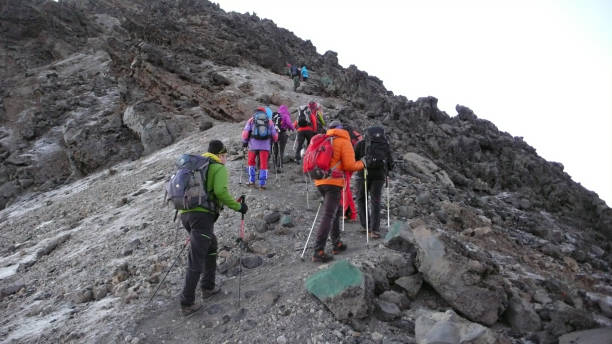
Beginner-friendly Machame Route. Small group trekking for adventure seekers.
 Machame
Whiskey Route with better acclimatization and higher summit success rate.
 Group for Machame
Extended trekking for better acclimatization and higher chance to summit Kilimanjaro.
 Marangu Route Group
Classic “Coca-Cola Route”, moderate trekking experience. Popular for first-timers.
 Marangu Groups
Extended Marangu Route for better acclimatization and a safer summit attempt.
 Join Lemosho Group
Beautiful Lemosho Route through forests and moorlands. Excellent acclimatization for summit success.
 Join Lemosho Group
Longer trek ensures full acclimatization, more scenic experience, higher summit chances.
Find answers to all your questions about Tanzania safaris, Kilimanjaro trekking, beach holidays, cultural tours, and more for your 2026–2027 adventures!
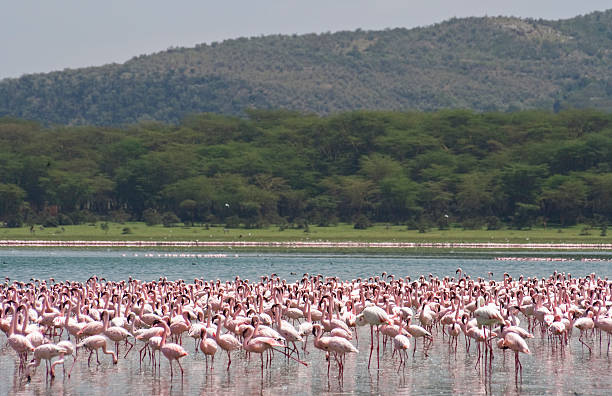
The dry season from June to October is best for wildlife viewing. Wet months (November–May) offer lush scenery and fewer tourists, great for birdwatching.
The optimal months are January–March and June–October. These periods have less rain, clearer skies, and better trekking conditions.
Yes! Many 2026–2027 packages combine Serengeti or Ngorongoro safaris with relaxing beach stays in Zanzibar or Pemba.
Absolutely! Family-friendly safaris include short drives, child-safe accommodations, and educational experiences with wildlife and culture.
The Serengeti (Northern & Central) and Ngorongoro Conservation Area are prime locations to witness the Great Migration in 2026–2027.
Safaris range from 3–14 days. 7–10 days is ideal to visit multiple parks, see wildlife, and enjoy a well-paced experience.
Machame, Marangu, Lemosho, Rongai, and Northern Circuit are popular. Lemosho and Machame offer scenic routes and higher summit success rates.
Yes, guides and porters are required by Tanzanian law. They ensure safety, carry gear, and assist with altitude challenges.
Zanzibar and Pemba offer safe resorts, calm waters, and family activities. Always follow resort safety guidelines for water activities.
Yes, private and custom itineraries allow flexibility in duration, parks, and accommodations for 2026–2027 trips.
Costs vary by duration, accommodation, and inclusions. Budget safaris start around $1,000, while luxury safaris may exceed $5,000.
Most safaris include meals. Kilimanjaro climbs provide full-board meals, including snacks and hot drinks during trekking days.
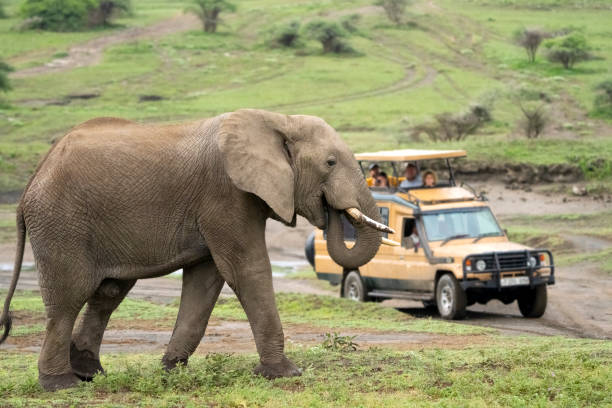
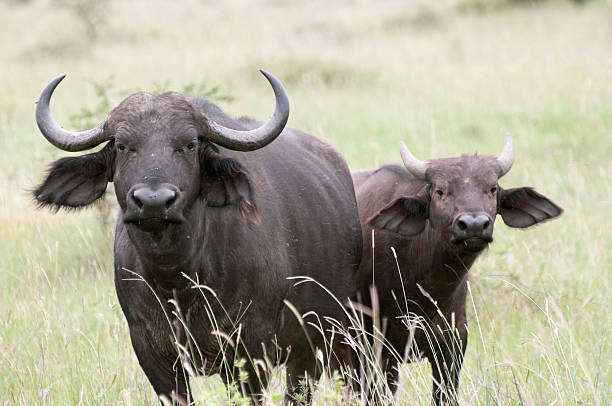
Lions, elephants, leopards, cheetahs, giraffes, zebras, wildebeest, rhinos, hippos, crocodiles, and exotic birds are common in safaris.
Recommended vaccinations: Yellow Fever, Hepatitis A/B, Tetanus. Malaria prophylaxis is advised for rural safari and trekking regions.
Yes, guided walking safaris are offered in parks like Tarangire and Arusha, allowing close encounters with nature and local flora/fauna.
Tanzania is generally safe. Solo travelers should follow guides’ advice, avoid isolated areas at night, and take standard precautions.
Neutral clothing, trekking shoes, hats, sunglasses, sunscreen, camera, binoculars, swimwear, and light jackets for cooler nights.
Yes! Many 2026–2027 packages include visits to Maasai villages, Hadzabe tribes, and historical sites alongside safaris.
Safaris use 4x4 vehicles with open roofs. Some tours include short domestic flights for park transfers or long-distance itineraries.
Yes. in 2026–2027 Luxury packages provide premium lodges, tents, private guides, personalized meals, and exclusive game drives or trekking services.
Parks like Arusha and Amboseli provide breathtaking views of Kilimanjaro along with wildlife sightings on safari.
It is recommended to book 4–6 months in advance for peak season (June–October) to ensure availability of accommodation and guides.